Deezmundu at TALES 2026 is where African wellness, memory, and ritual come together in scent form.
Before you see it, you’ll smell it.
That’s the thing about Deezmundu. It doesn’t announce itself the way fashion does with colour and silhouette and a look that stops you mid-step. Instead, it works differently. It reaches you through something older, something the brain processes before the eyes do. A scent. A memory. A feeling that something familiar is happening, even if you can’t quite name it yet.
That’s the point. That’s always been the point.
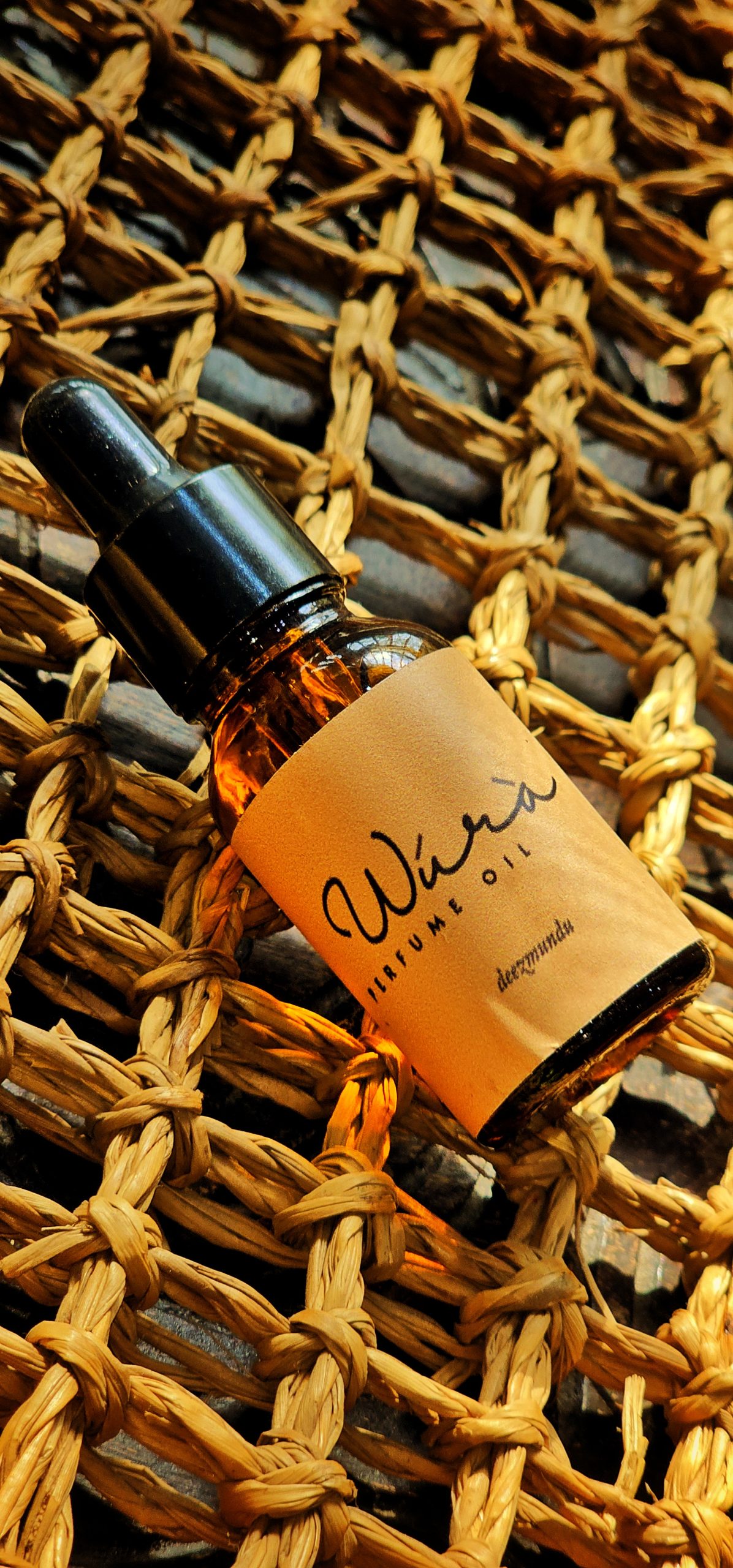
Wura: one of Deezmundu’s handcrafted perfume oils, made for longevity.
Meet Hadiza, the Woman Behind Deezmundu
Hadiza is Nigerian, a trained psychotherapist, interior designer, and someone who has worked in the financial sector. She is also the founder of Deezmundu at TALES 2026, one of the most distinctive wellness brands showing this summer.
That background is not incidental. In fact, it is exactly why Deezmundu exists.
“My background is in psychology, trained in psychotherapy, interior design, and I worked in the financial sector — so I understand both people and business deeply,” she says.
Across all those fields, she noticed the same gap. People were being sold products that addressed the surface, while the deeper need to feel grounded and connected to self was left unmet.
As a result, Deezmundu became her answer to that gap.
Hadiza, founder of Deezmundu.
The Brand That Grew Up in Ancient Ingredients
Growing up, Hadiza was surrounded by African beauty rituals — turmeric, baobab, cloves, shea. These were not trends. They were part of everyday life.
“I grew up surrounded by African beauty rituals and natural ingredients that weren’t just about looking good, but about identity, wellness, and community,” she explains.
Later, she realized modern products often miss that deeper connection.
So she built it back.
Deezmundu is a traditional African wellness brand. That word is intentional. Traditional does not mean old-fashioned. Instead, it means rooted in memory, rhythm, and lived knowledge.
Each perfume oil, incense, and body care product carries that philosophy forward.
“Each creation carries memory, identity, and the rhythm of tradition,” she says, “turning everyday care into timeless ceremony.”
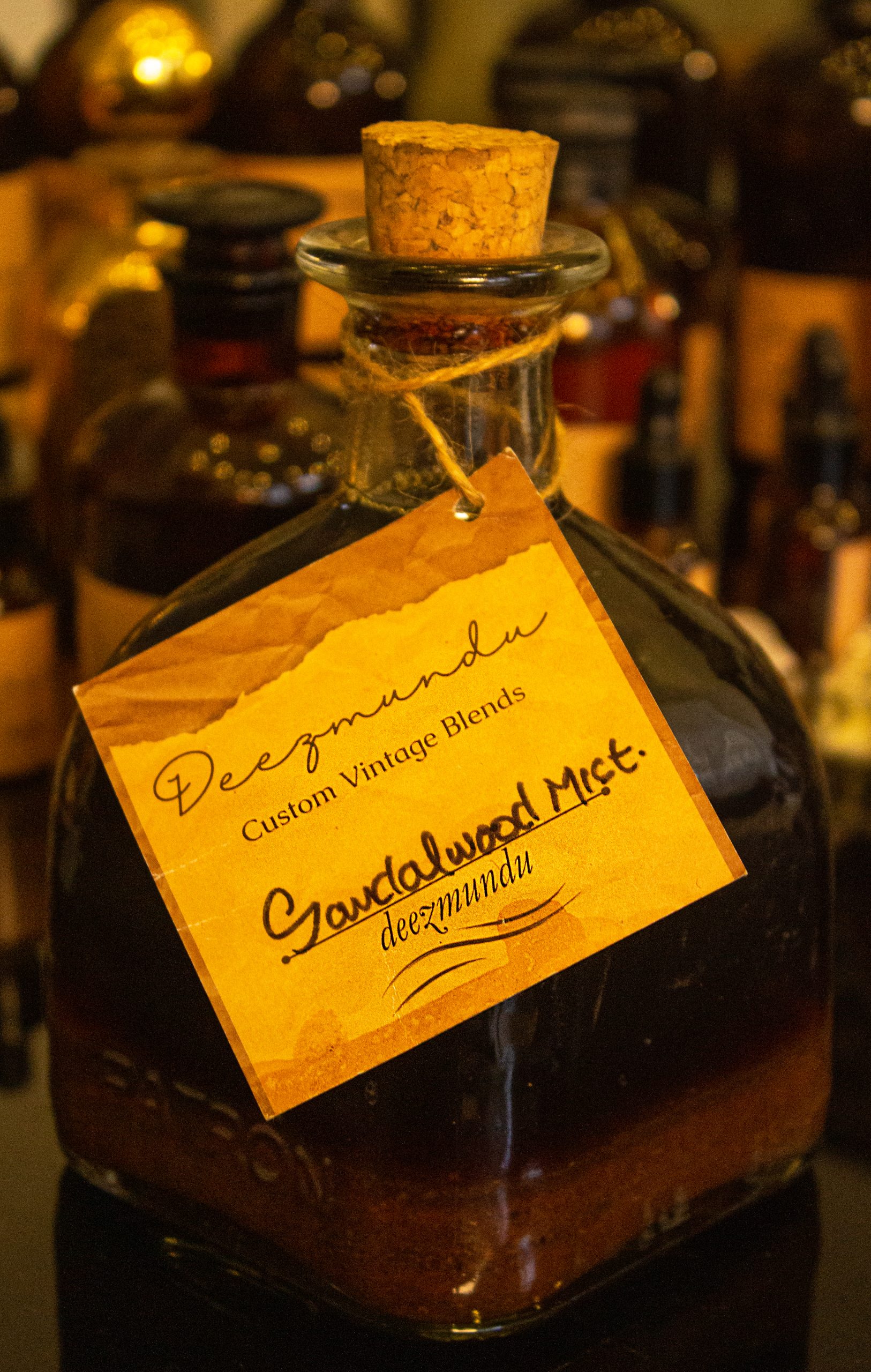
Every Deezmundu product is handmade using ingredients rooted in African tradition.
The Secret Most People Don’t Know About Deezmundu
Here’s something most people don’t realise.
Deezmundu is not just about fragrance.
“It is about memory,” Hadiza reveals. “Every oil, incense, and body care product carries whispers of African rituals passed down through generations.”
That is why the experience stays with people. Not just because of scent, but because scent is tied directly to memory.
As a result, when people use Deezmundu, they don’t just smell good. They feel unforgettable.
That is the philosophy behind everything the brand creates.
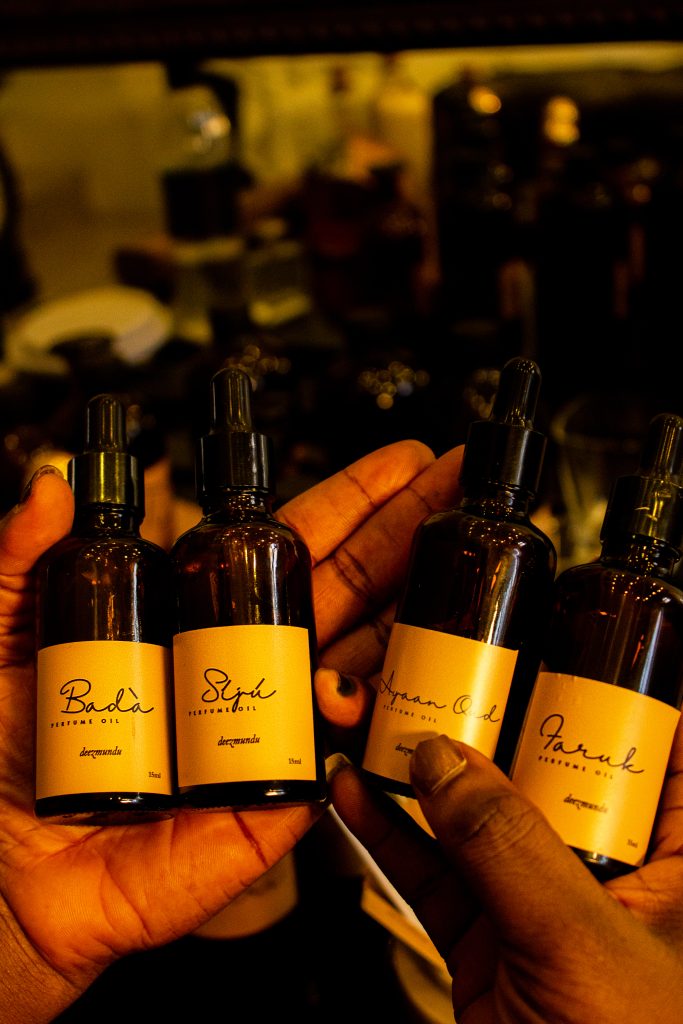
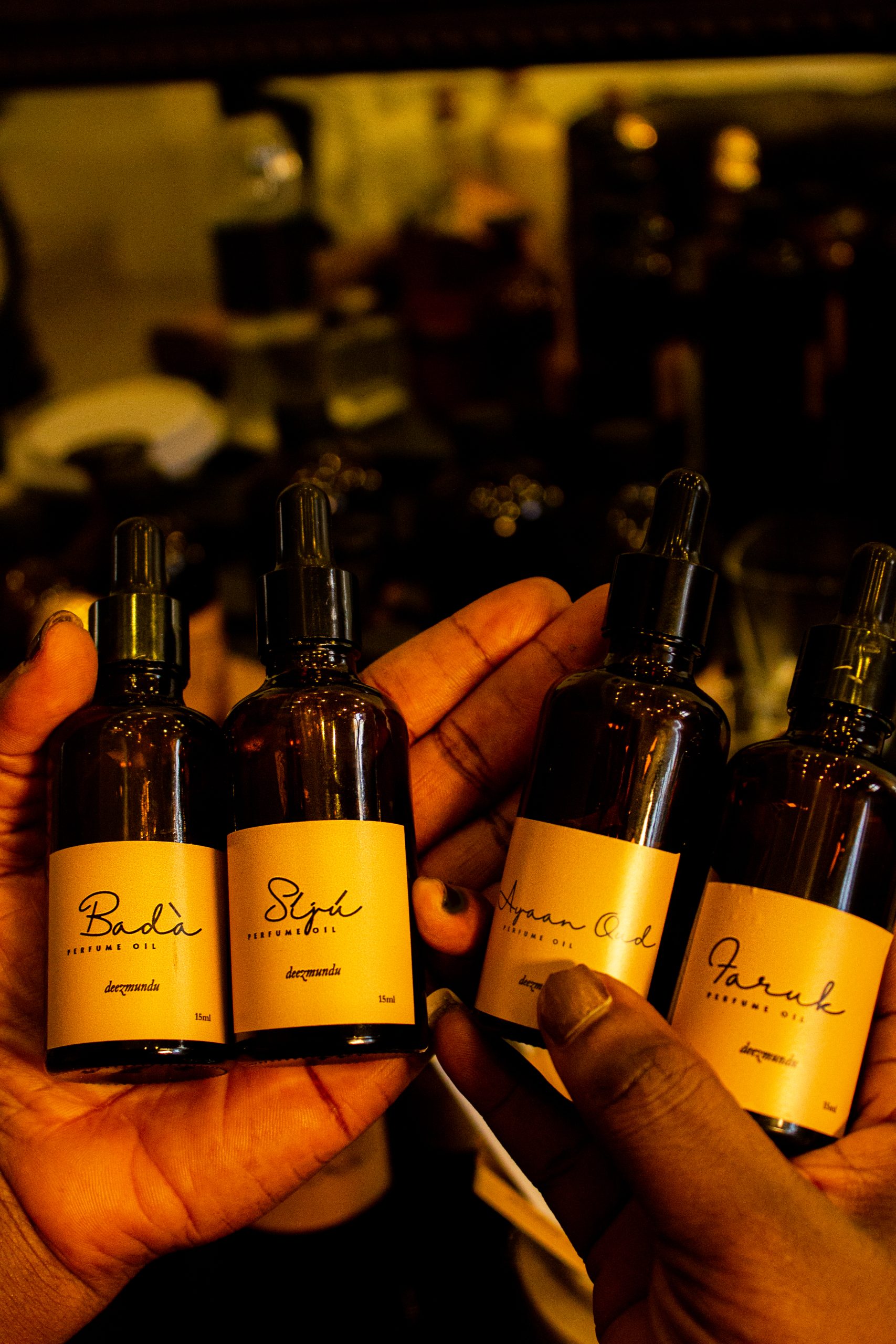
Bada, Siyu, Ayaan Oud, Faruk: each oil carries a name, a story, and a scent worth remembering.
What TALES 2026 Visitors Can Expect From Deezmundu
At TALES 2026, Deezmundu will present three limited-edition creations: perfume oils, body butters, and scrubs.
These pieces will be available at TALES 2026, making them true collector’s items.
Each product is handmade, sustainable, and designed for longevity. More importantly, each one blends African heritage with modern luxury in a way that feels intentional rather than decorative.
For Hadiza, this moment is significant.
“Showcasing at TALES 2026 is about placing African craftsmanship on the global luxury stage,” she says. “It is proof that heritage, sustainability, and longevity can stand alongside the finest brands in the world.”
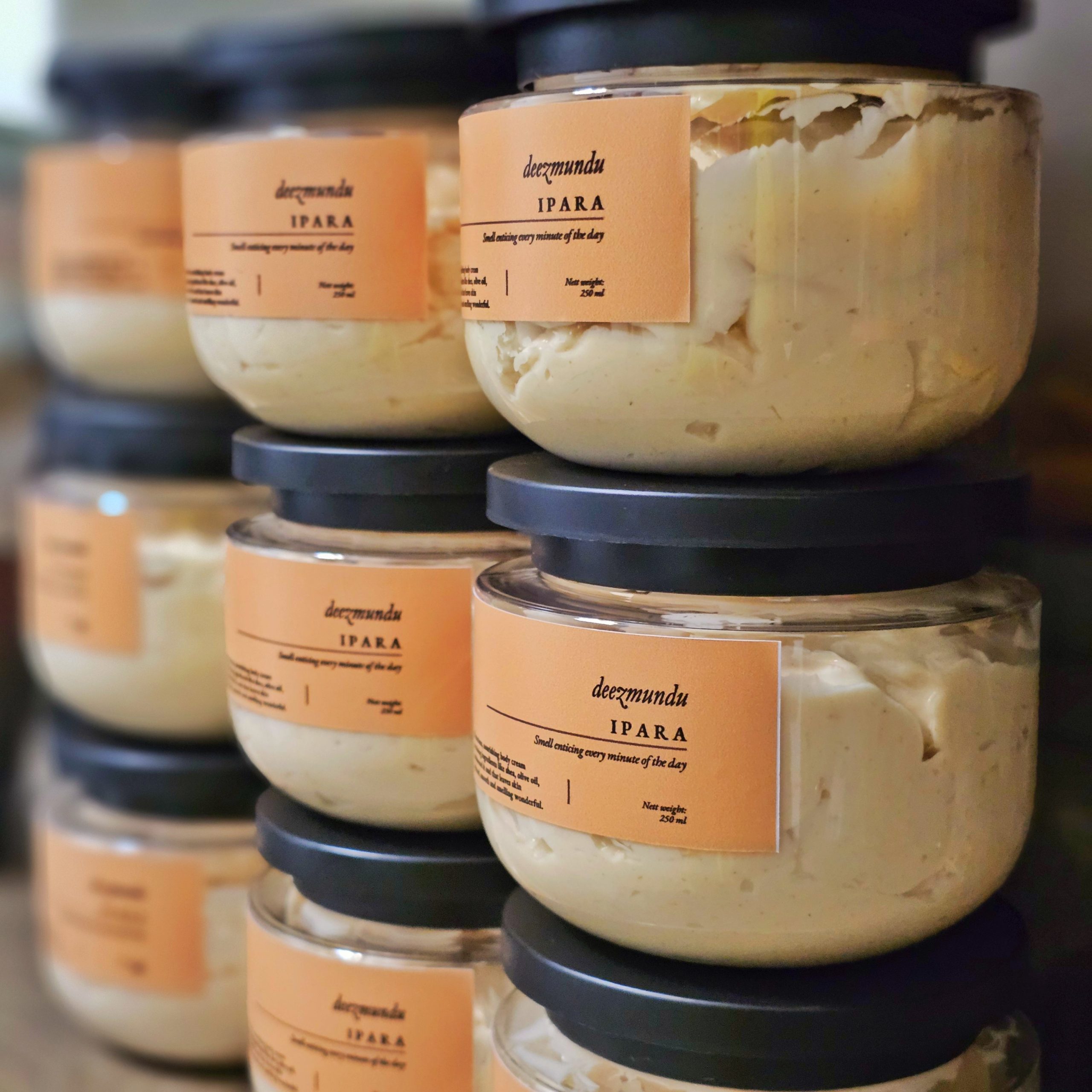
IPARA body butter: Smell enticing every minute of the day.
Why You Need to Experience Deezmundu at TALES 2026
You cannot fully experience Deezmundu at TALES 2026 through a screen.
Instead, it asks for presence.
A perfume oil needs to meet your skin. Incense needs to fill a space. These are not products for quick consumption. They are experiences that unfold slowly.
This is where it gets real.
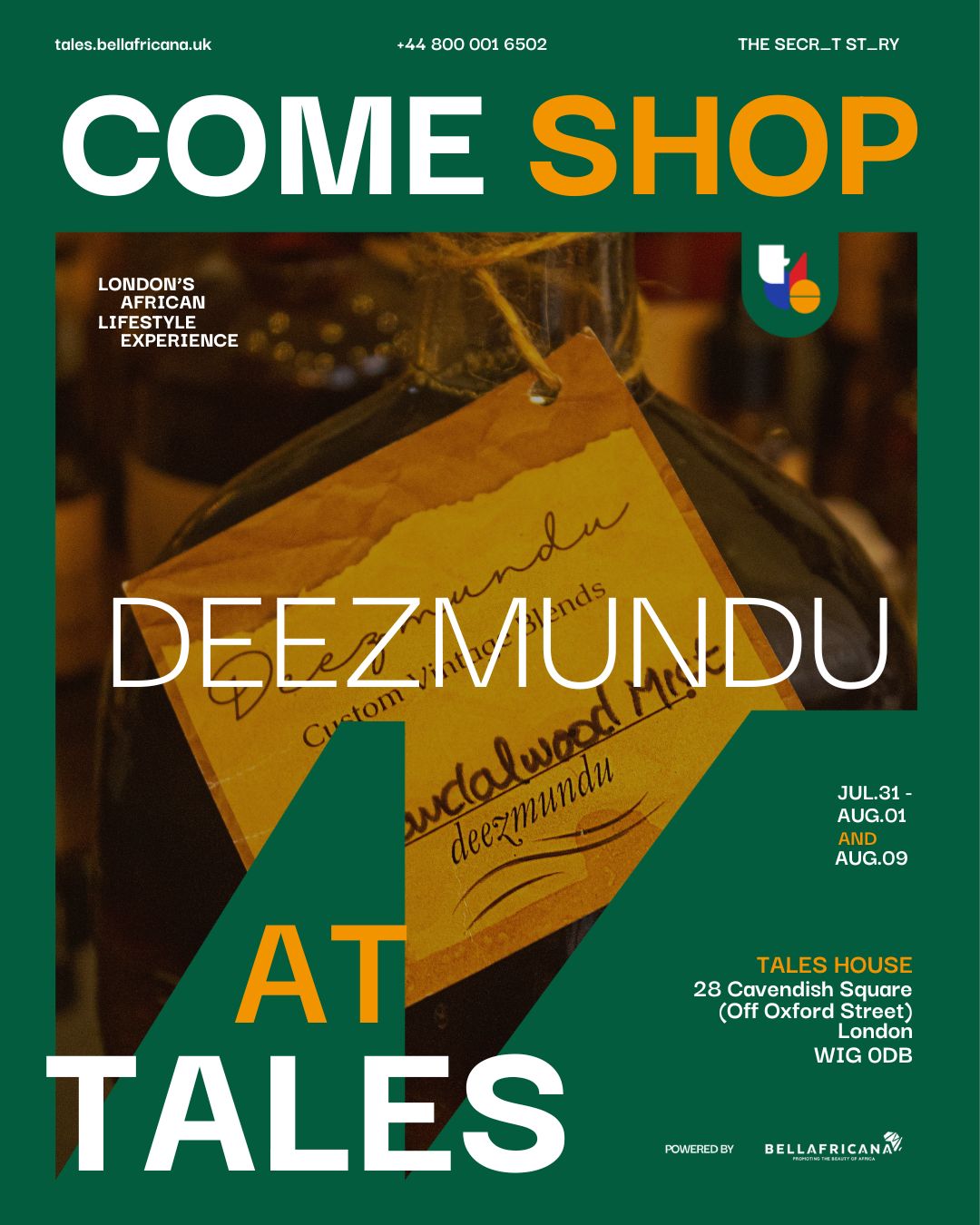
Deezmundu will be at TALES House, 28 Cavendish Square, off Oxford Street, London W1G 0DB, from July 31 to August 1, and August 9 2026, open daily from 11 AM to 8 PM.
Once the moment passes, it will not repeat itself in the same way.
Come ready to feel something.
Deezmundu at TALES House, London: Jul 31, Aug 1 and Aug 9.
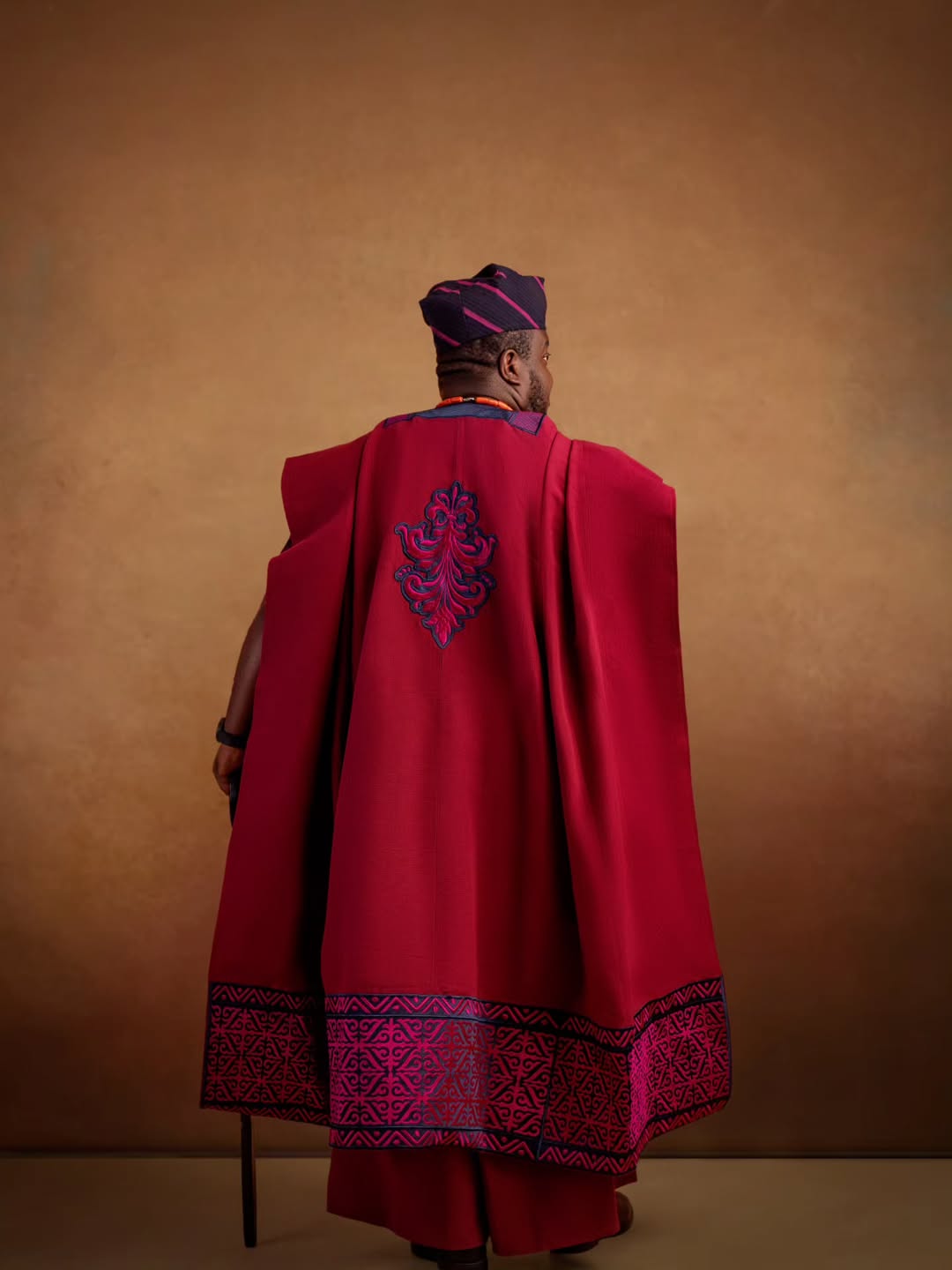
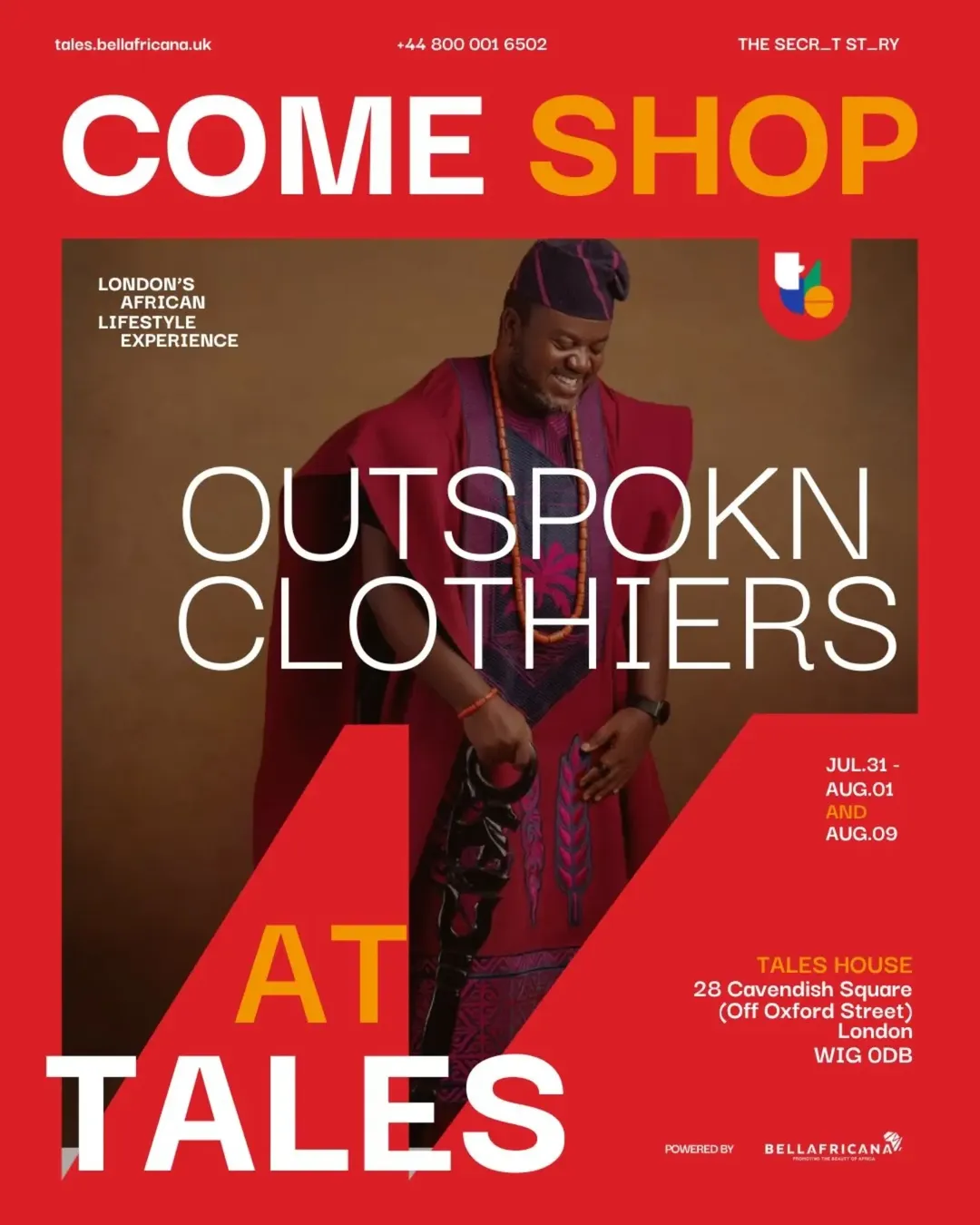
Outspok’n at TALES London is a celebration of twenty years of tailoring, purpose and style.
Some brands are built from vision boards and business plans.
Outspok’n was built from necessity.
Twenty years later, it has become one of the most compelling menswear brands coming to TALES London this summer.
Based in Lagos, Nigeria, Outspok’n bridges the gap between traditional African fabrics and contemporary design. The pieces are bold, clean, and created for people who understand that what you wear often speaks before you do.
As the brand puts it:
“Fashion is more than what you wear. It’s how you speak without words.”
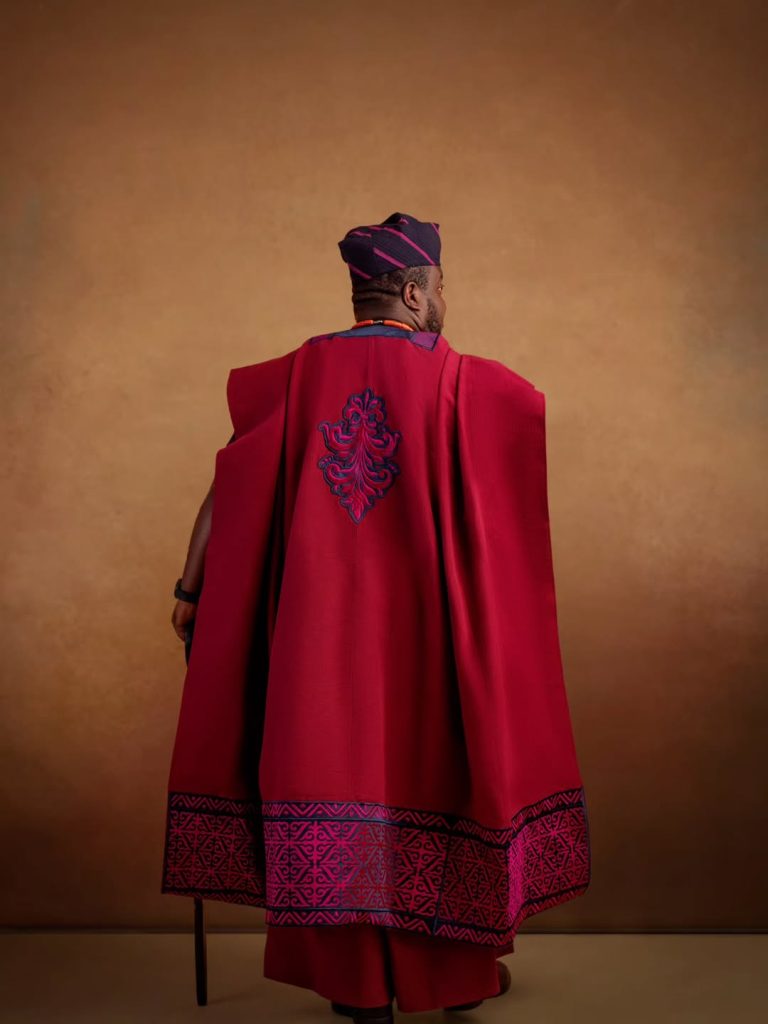
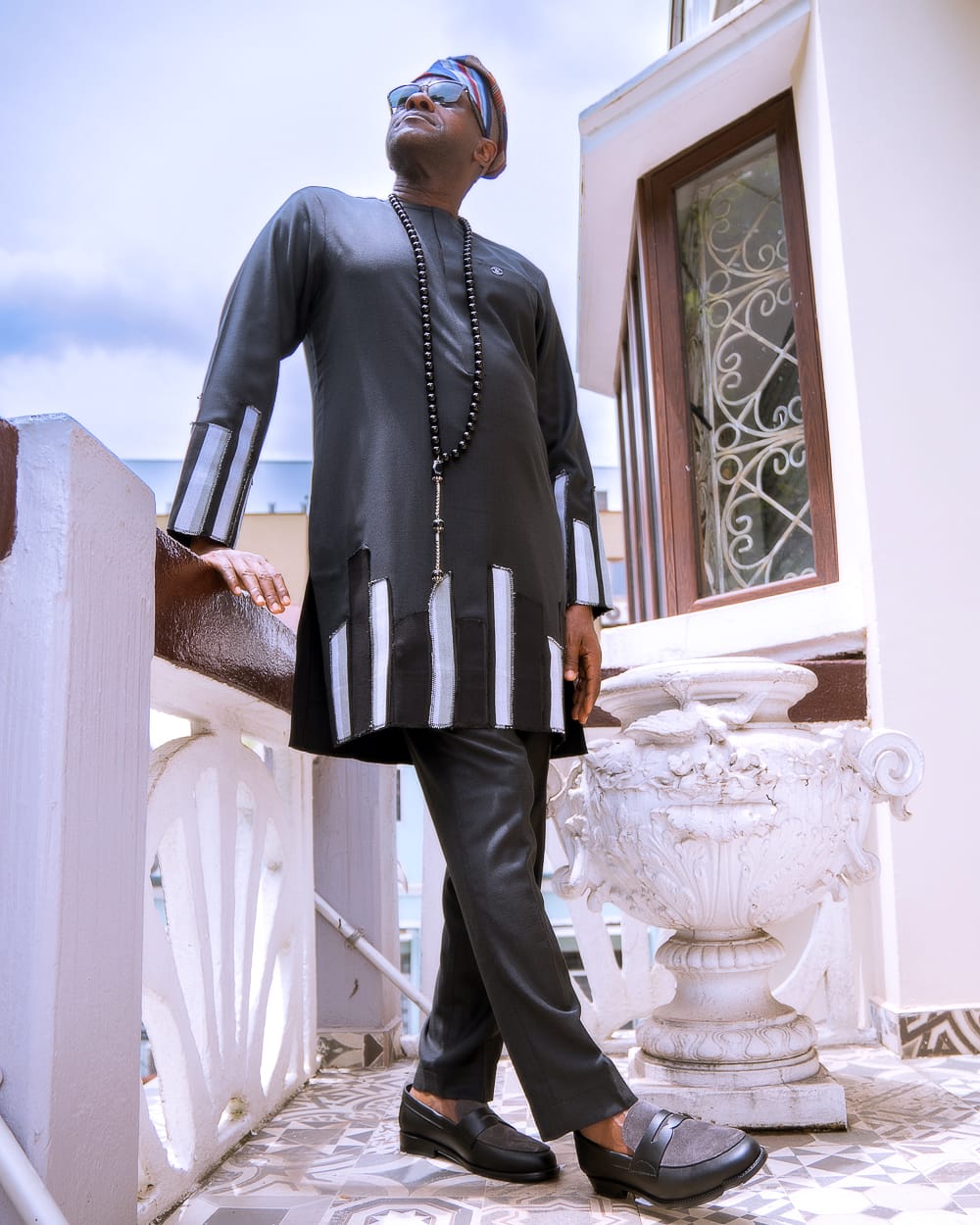
Outspok’n menswear at TALES London showcasing modern African tailoring
Who Is Behind Outspok’n?
Outspok’n is led by Adesola Balogun, a Lagos-based fashion entrepreneur, business consultant, podcaster, and author.
But before any of those titles, he was a student trying to find a way to stay in school.
“Outspok’n was birthed in 2005,” Adesola explains. “At the time, it was necessary for me to start a business where I could earn an income and support myself through school because my parents were going through some financial difficulties.”
And that is the real origin story of Outspok’n.
Not a fashion week breakthrough. Not a carefully planned business launch.
Just a young man with a challenge to solve and a sharp eye for opportunity.
Adesola Balogun: Founder, Outspok’n Clothiers
The Story Most People Don’t Know
Interestingly, the earliest version of Outspok’n started with shirts.
Adesola noticed that many of his friends admired premium British brands like Thomas Pink and Charles Tyrwhitt. They loved the style but couldn’t always afford the price.
So he created an alternative.
“I provided a more affordable option,” he says, “something that allowed people to look good while still enjoying the style of premium shirts.”
What started as a simple solution eventually became the foundation of something much bigger.
Over time, Outspok’n evolved from just a business that gave him a stipend into something he truly loves, a passionate business that gives him meaning, employs hundreds of Nigerians, and allows him to make a statement about passion.
Today, Outspok’n stands as a testament to what can happen when necessity meets consistency.
Outspok’n linen and Aso-Oke tailoring detail close-up
What Makes Outspok’n Different?
At the heart of Outspok’n is a commitment to thoughtful tailoring and distinctive fabric combinations.
One of the brand’s signatures is the way it blends contemporary fabrics with traditional African textiles.
The way we combine contemporary fabrics, especially linen with Aso-Oke, is something we truly enjoy, Adesola says. “It sets us apart effortlessly.”
Beyond that, this combination brings together the lightness and breathability of linen with the richness and cultural depth of Aso-Oke, creating garments that feel both contemporary and rooted in heritage.
As a result, the brand creates menswear that refuses to choose between tradition and modernity.
“We see our pieces as bold yet comfortable, striking a balance between standing out and feeling at ease,” Adesola explains. “I want people to feel joy and confidence. I want them to feel honoured and feel good.”
What Outspok’n Is Bringing to TALES London
At TALES London, visitors can expect both familiar favourites and something entirely new.
This is what makes Outspok’n one of the most anticipated brands at TALES this summer.
Outspok’n will be bringing back the Skyline Pants and the Omo Oluwabi Pants, while also introducing pieces from its latest release, the Out Rocking Collection.
A few pieces from the new collection will make their debut at TALES, making it the first place you’ll be able to see and shop them in person.
For Adesola, however, the event represents more than a collection launch.
“TALES means community. TALES means enterprise. TALES means my dreams coming through,” he says. “It’s about enjoying the camaraderie among fellow creatives and seeing what we can achieve together.”
This summer, Outspok’n arrives in London with two decades of building behind it.
A new collection.
One room in London.
If you’re planning to attend TALES 2026, this is your chance to experience it in person.
Come Shop Outspok’n at TALES London
Come Experience Outspok’n at TALES London
Outspok’n will be showcasing at TALES House as part of Bellafricana’s celebration of African creative excellence this summer.
TALES House, 28 Cavendish Square, off Oxford Street, London W1G 0DB July 31 – August 1, and August 9, 2026 11 AM to 8 PM daily
“People should come and experience Outspok’n because it represents freedom, boldness, and confidence,” Adesola says.
If you’re in London this summer, this is your opportunity to experience two decades of craftsmanship, purpose, and style up close.
There’s a kind of fashion that simply covers the body. Then there is another kind that says something true about the woman wearing it.
Gia 1 Fashion belongs to the second category.
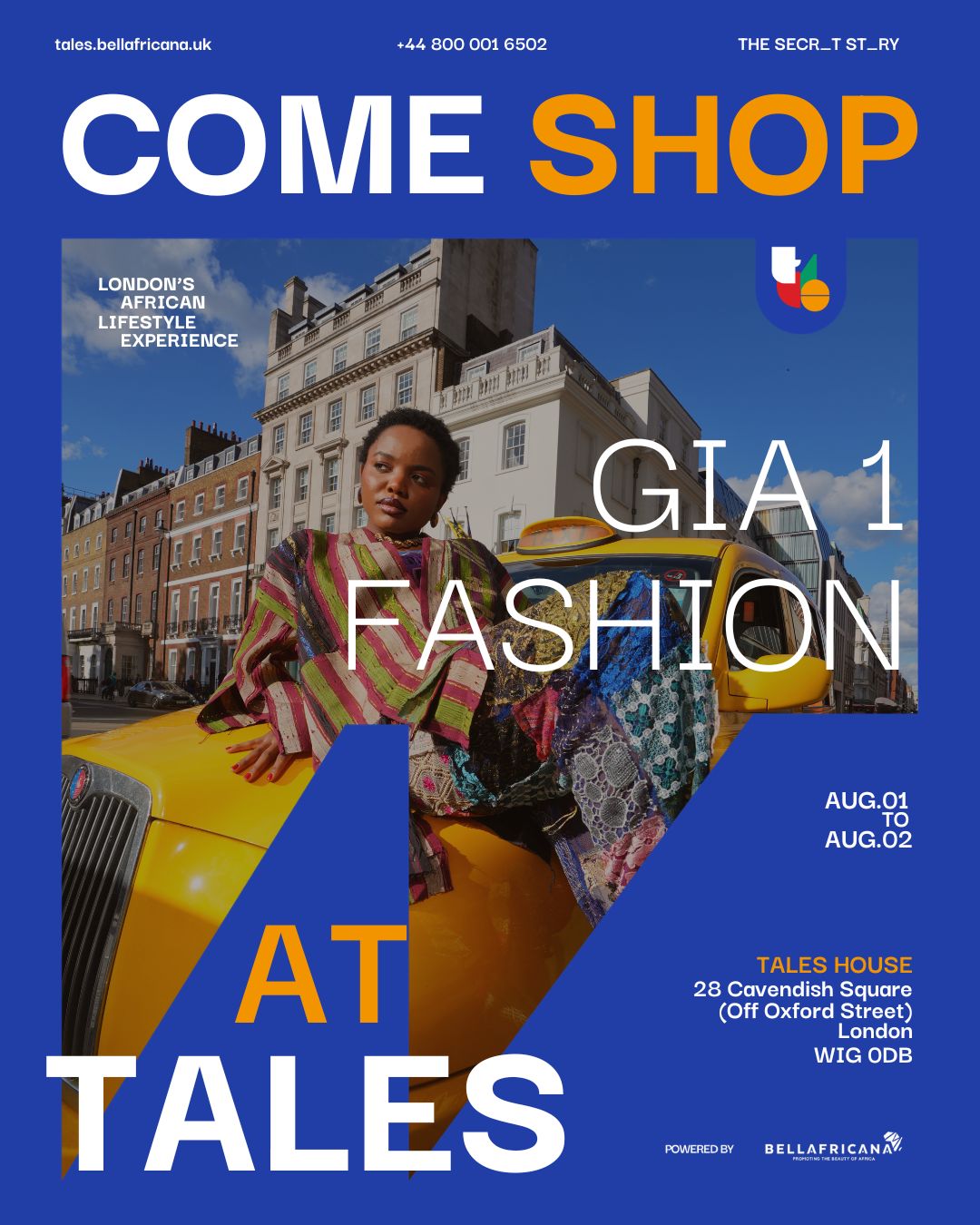
This August, the brand arrives at TALES London, Bellafricana’s celebration of African creative excellence. It brings with it a philosophy rooted in storytelling, emotion, and bold expression.
If you have seen even one image from Gia 1 Fashion, you already understand why people are paying attention.
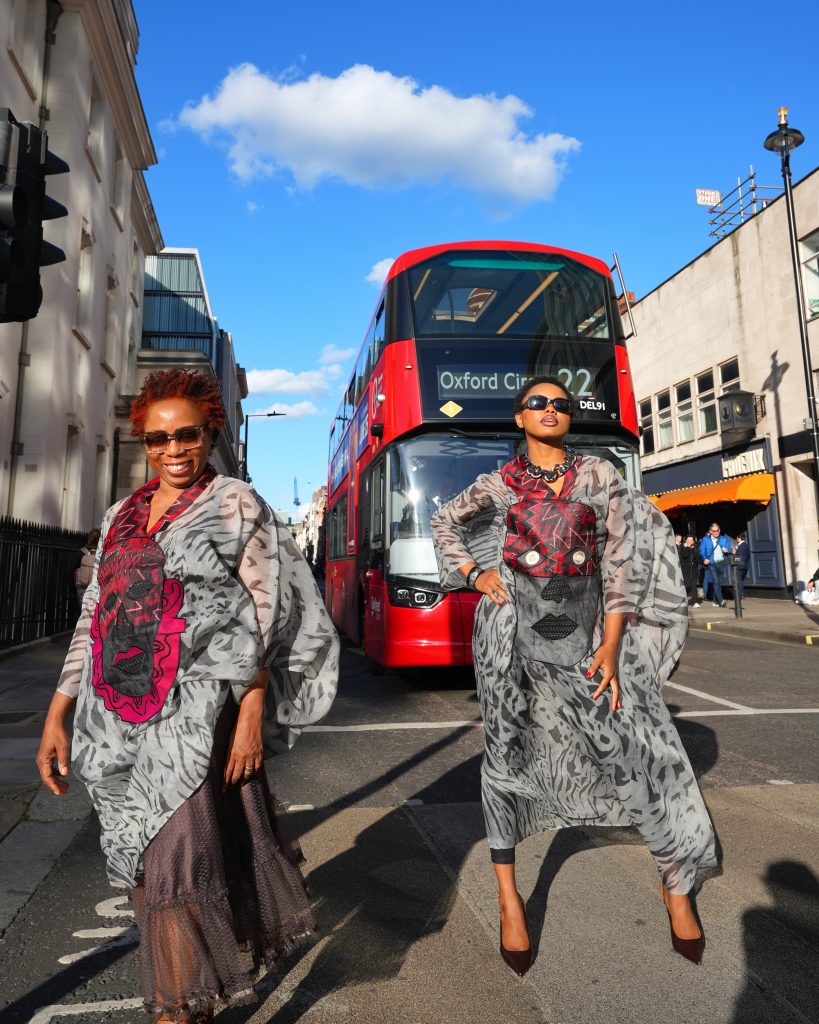
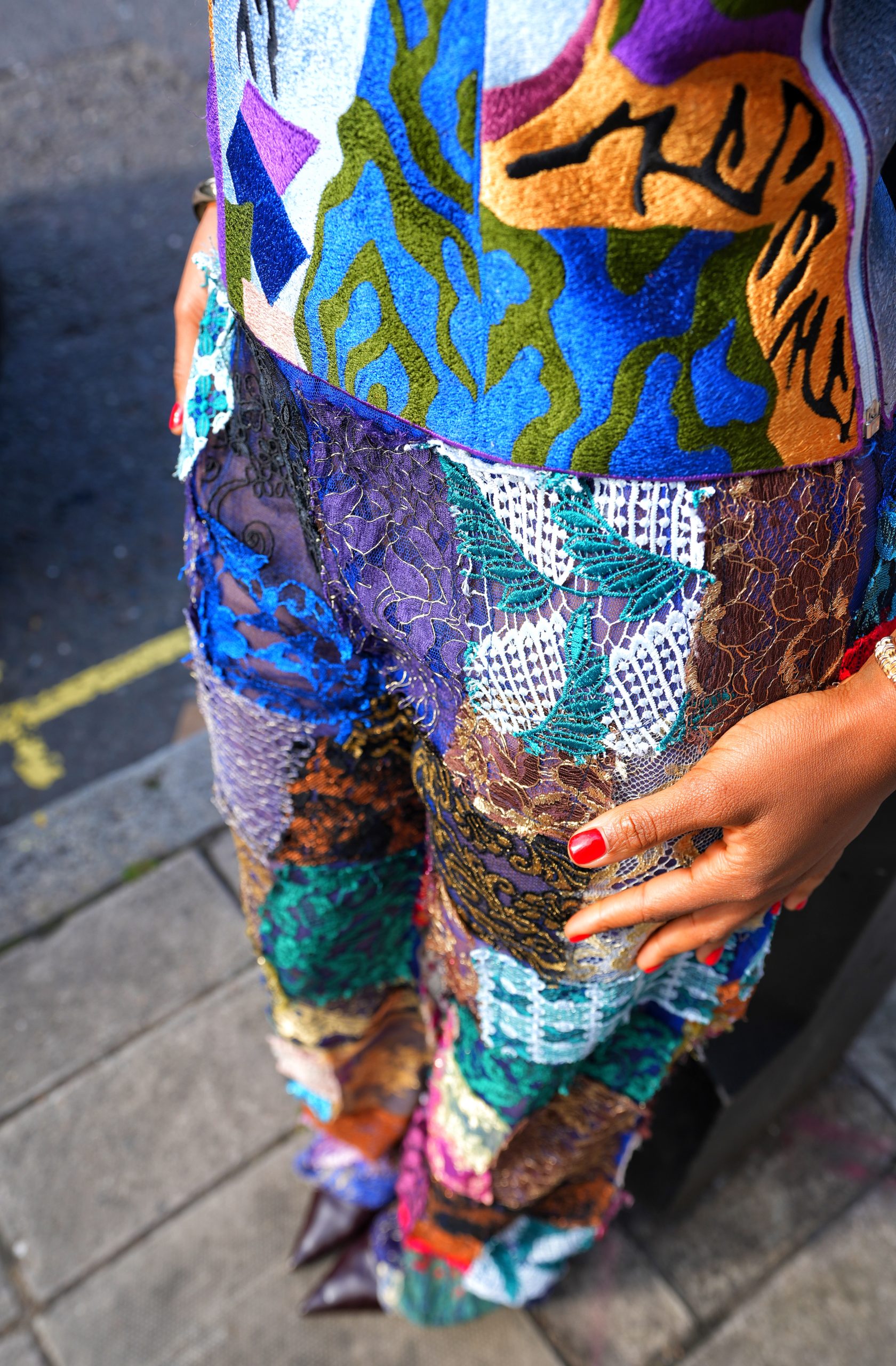
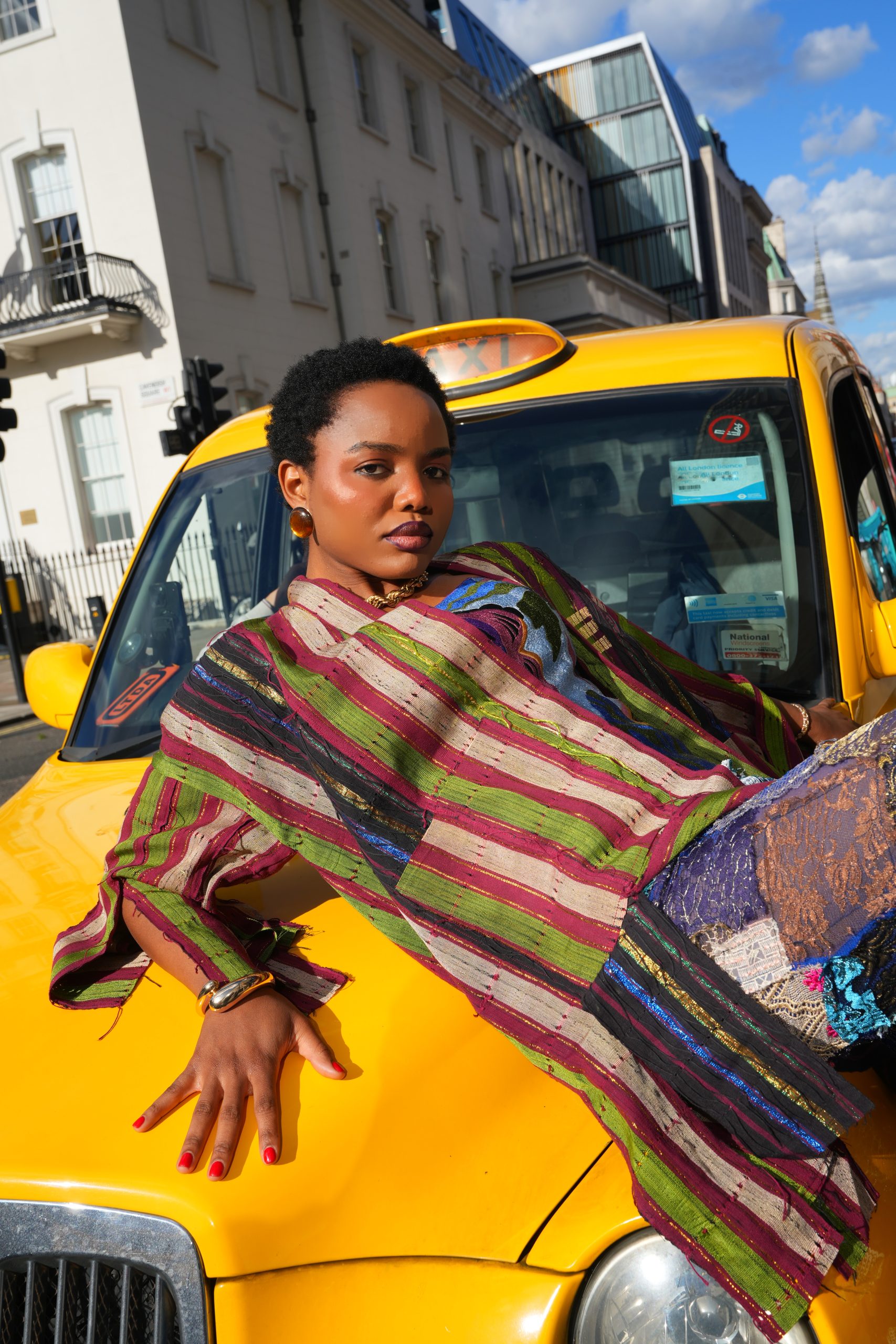
A closer look at the silhouette and storytelling behind Gia 1 Fashion’s design language.
Who Is Behind Gia 1 Fashion?
Gia 1 Fashion is the work of Gloria Anyaehie. She is a designer based between Nigeria and the United Kingdom.
Her relationship with fashion goes far beyond fabric and silhouette. For her, clothing is not only about dressing women. It is about helping them see themselves again.
“All my life, I’ve used fashion not just to dress women, but to help them rediscover confidence and see themselves again,” she shares.
This is not a tagline. It is the foundation of the brand.
You can see it in every piece. From richly patterned kaftans to structured gowns that move with intention, each design carries presence.
Every detail is intentional, from texture to form, nothing is accidental.
The Story Behind the Brand
Gia 1 Fashion did not begin as a business plan.
It began as survival.
“I started my brand from a place of passion and pain,” Gloria says. “Fashion became my way of healing during difficult seasons of life. I wanted other women to experience that same transformation through fashion and style.”
Behind the bold prints and elegant draping is a story of resilience. It is the story of a woman who chose to keep creating, even in difficult seasons.
That choice became Gia 1 Fashion.
After more than twenty years in the fashion industry, Gloria describes showcasing at TALES as deeply meaningful.
“It means legacy, growth, visibility, and connection with other creatives on a deeper level,” she explains. “Standing on a platform like TALES feels like a reminder that my gift has purpose beyond what I can see.”
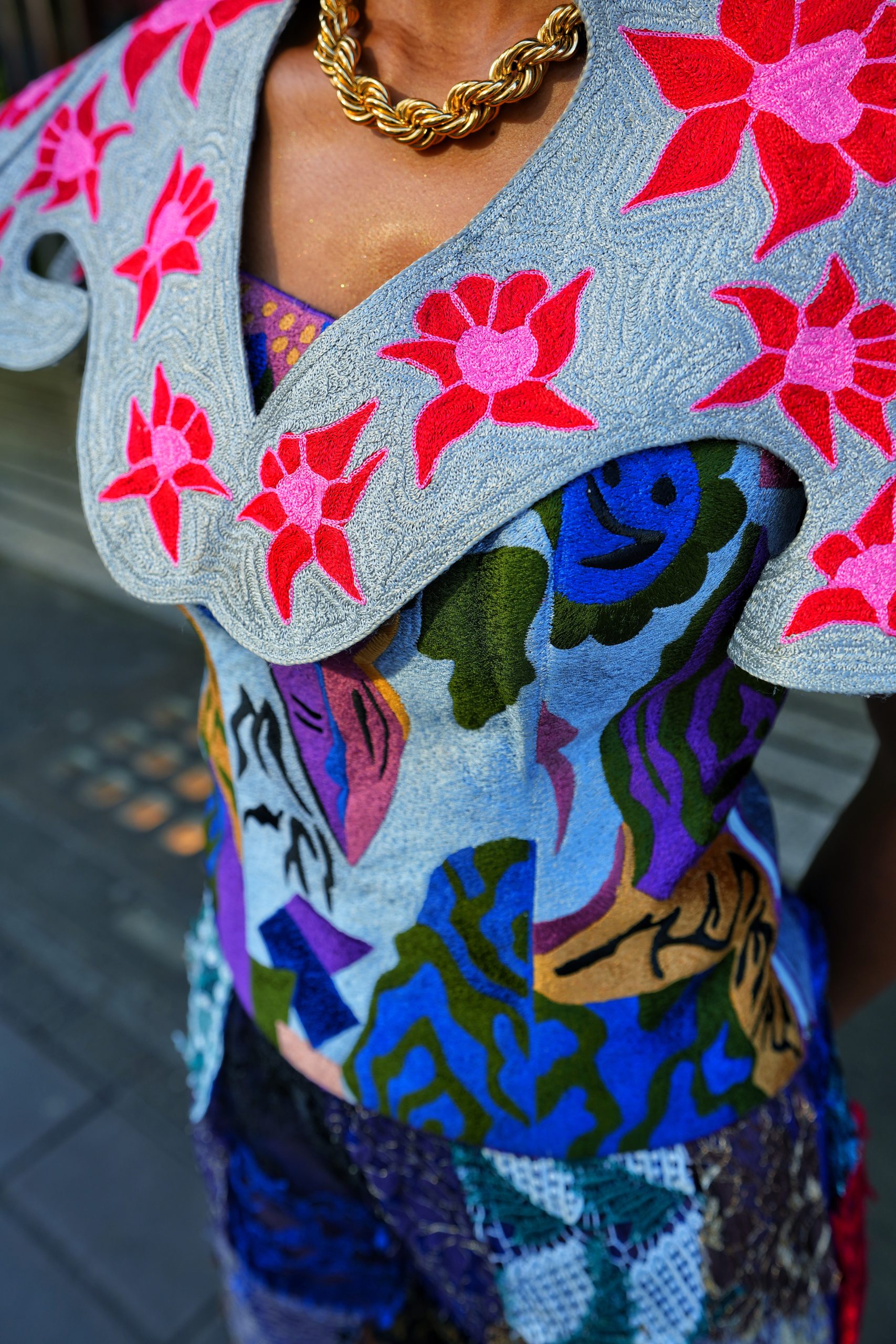
Fashion as healing — expressed through structure, pattern, and presence.
What Inspires Gia 1 Fashion Designs?
Look closely at a Gia 1 Fashion piece and you will notice a recurring detail. An abstract face appears across different designs, applied into the fabric in varying forms and colourways.
It is striking and intentional.
Gloria draws her inspiration from women.
“Women inspire me. Their strength, softness, journeys, and quiet courage,” she says. “Every piece is created to make a woman feel seen, graceful, and powerful.”
Faith and nature also shape her creative direction. But at the centre of it all is everyday womanhood.
This becomes visible in the final work.
Oversized sleeves move with drama. Prints combine animal and geometric influences. Colour pairings feel unexpected yet deliberate, from bold pinks against grey to deep magenta against blush tones.
The result is not trend-led fashion. It is emotional design.
Strength, softness, and storytelling woven into wearable form.
Why Gia 1 Fashion Feels Global
Gloria’s vision has never been limited to one city.
“Whether in London, Lagos, or New York, women understand the desire to feel confident, elegant, and whole,” she says. “That is what Gia 1 Fashion represents.”
That vision is already visible in the brand’s editorial work. Shot across London landmarks like Oxford Street and its surrounding architecture, the pieces feel at home in both African and global contexts.
They do not belong to one geography.
They move easily across them.
That versatility is part of what makes the brand compelling.
Gia 1 Fashion at TALES London
So what happens when this story steps into a physical space?
Gloria describes the experience as emotional and personal rather than transactional.
“Visitors should expect timeless statement pieces filled with emotion, elegance, and storytelling,” she says. “It will feel warm, personal, and unforgettable.”
Gia 1 Fashion will be showcasing at TALES House, 28 Cavendish Square, just off Oxford Street in London.
It will only be there for a limited time this August.
Once the showcase ends, this exact moment will not repeat itself.
It is part of the wider TALES London experience, a celebration of African creativity curated by Bellafricana. But Gia 1 Fashion stands as its own distinct story within it.
Why This Moment Matters
Gloria puts it simply.
“Gia 1 Fashion is more than a clothing brand. It is a story people can feel. Every piece carries healing, resilience, and the reminder that confidence can always rise again.”
Experience the collection in person this August at TALES House, 28 Cavendish Square.
If you are in London this August, this is a chance to experience that story in person.
To see the craftsmanship up close.
To understand the emotion behind the design.
And to meet the woman behind it.
Because when style heals, confidence rises.
Follow the journey: @gia1fashion for behind-the-scenes access to the brand and new collections. @bell_africana for more stories from TALES London and African creative excellence.
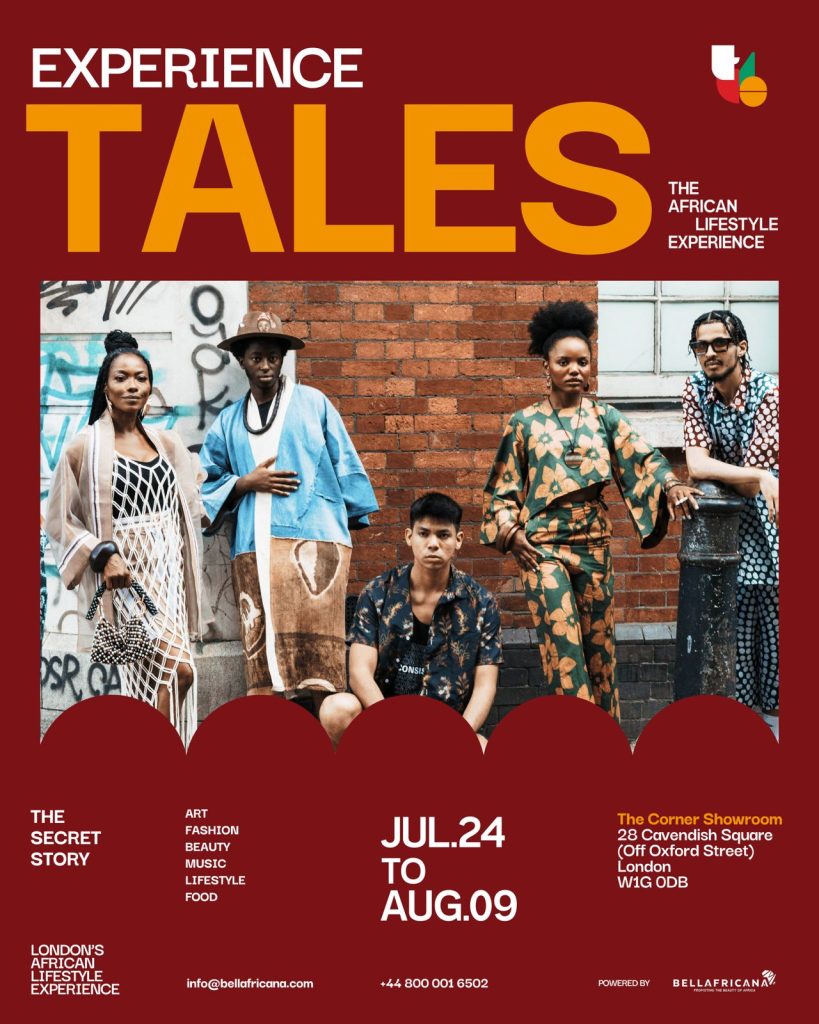
If you’re looking for things to do in London this summer, especially experiences that celebrate culture, creativity, and unique brands, then TALES 2026 (The African Lifestyle Experience) should be on your list.
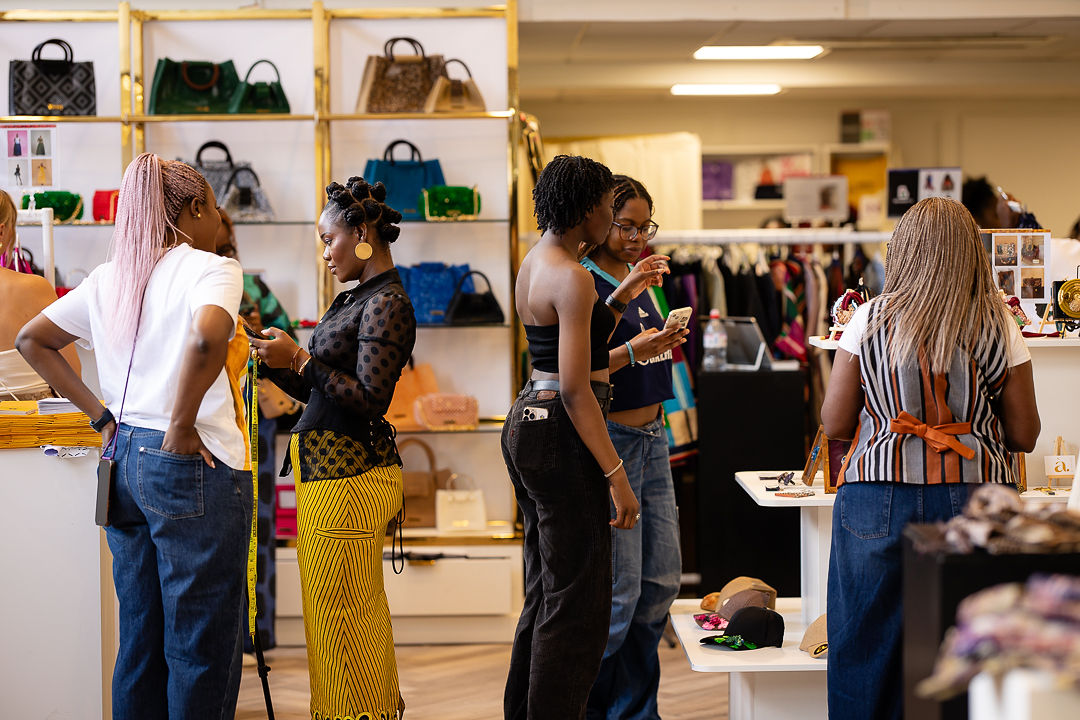
Taking place over 17 days in London (July 24 – August 9), TALES brings together some of the most exciting African fashion, lifestyle, beauty, and home brands—all in one curated space.
But TALES isn’t just something you attend. It’s something you experience.
Here’s how to plan your visit and make the most of it.
What is TALES (The African Lifestyle Experience)?
TALES is a curated retail and cultural experience that showcases African creative brands in London.
It’s where you:
Discover unique African fashion and lifestyle products
Meet the founders behind the brands
Experience the stories behind each piece
Shop intentionally and meaningfully
If you’re searching for African pop-up experiences in London, cultural events, or unique shopping experiences, TALES is one to explore.
TALES 2026 Dates & Location
Dates: July 24 – August 9, 2026
Location: TALES House London, 28 Cavendish Square (Off Oxford Street), London W1G 0DB.
Located in the heart of London, TALES House is easily accessible and perfect for both locals and visitors.
How to Get to TALES House London
TALES House is centrally located on Oxford Street, making it easy to reach:
By Tube: Oxford Circus Station or Tottenham Court Road Station
By Bus: Multiple routes along Oxford Street
By Car: Limited parking available nearby (public transport recommended)
Opening Hours for TALES 2026
10am – 7pm daily
Tip: Visit earlier in the day for a more relaxed experience, or later for a livelier atmosphere.
Plan Your Visit Ahead for TALES 2026
With 17 days to explore, it’s worth planning ahead.
Ask yourself:
Do you want a quiet browsing experience or a lively one?
Are you coming solo, with friends, or with family?
Do you want a quick visit or a full experience?
Many visitors come more than once, and for good reason.
Set a Budget (and Stay Open)
Trust me, TALES is full of discovery.
You’ll come across:
Unique pieces
New brands
Items you didn’t plan to buy
Set a budget, but leave a little room for surprises.
Take Your Time
TALES is not a quick stop.
Give yourself time to:
Walk through the space
Revisit brands
Explore different sections
Some of the best finds happen when you slow down.
Don’t Just Shop, Engage
One of the most unique parts of TALES is the opportunity to connect directly with founders.
Ask questions like:
What inspired this piece?
How was this created?
What does this collection mean?
These conversations make your purchases more meaningful.
Capture and Share the Experience
TALES is a beautiful, vibrant space, perfect for photos and content.
Feel free to:
Take pictures
Share your experience
Tag the brands and @bellafricanauk
Who Should Attend TALES 2026?
TALES is for:
Shoppers looking for unique and meaningful products
Creatives and entrepreneurs seeking inspiration
Buyers and collaborators exploring new brands
Anyone interested in African culture and creativity
If you enjoy discovering something different, you’ll feel right at home.
Payment Options
Most brands will accept:
Card and contactless payments
Some may accept cash
It’s always helpful to come prepared with multiple options.
Best Times to Visit TALES
Weekdays (Daytime): Quieter, more relaxed
Evenings & Weekends: Busier, more vibrant
Choose based on the kind of experience you want.
Final Thoughts
TALES is more than a market. More than a pop-up. More than a shopping trip.
It’s a space where you:
Discover
Connect
Experience
And the way you show up… will shape what you take away.
📍 Plan Your Visit
TALES 2026 July 24 – August 9 28 Cavendish Square (Off Oxford Street), London W1G 0DB. Follow along: @bellafricanauk
African fashion has always had the talent. Designers emerging from Lagos, Accra, Nairobi, and beyond have been producing world-class work for decades. Yet the African fashion platform that could carry that talent to the diaspora has been missing. The collections are compelling. The craftsmanship is real. The cultural depth is undeniable.
But what has been harder to solve is access.
Consider the gap between an extraordinary Nigerian designer in Lagos and the diaspora customer in London who would buy her work, wear it, and understand exactly what it means. That gap has resisted cultural momentum, social media advocacy, and years of goodwill. It does not close on its own. It closes when someone builds the infrastructure.
That is where Olubukola Adenugba comes in. She is the founder of The Ella Mo Brand, a curated African fashion platform based in the UK, and she is doing exactly that work.
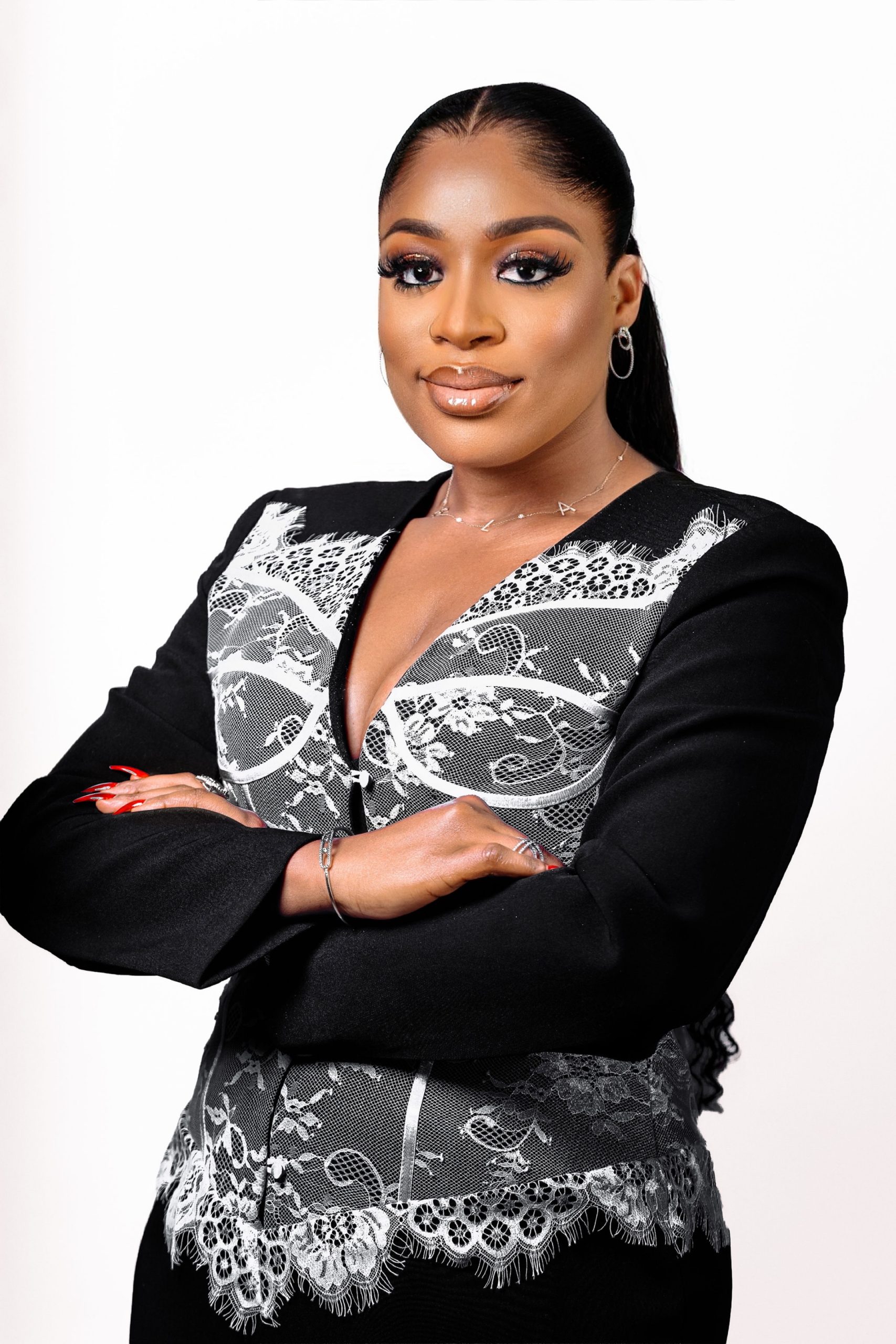
Olubukola Adenugba, Founder of The Ella Mo Brand
Who Is Olubukola Adenugba?
Olubukola grew up at the intersection of two worlds: the rich visual culture of Nigeria, where fabric is ceremony and dress carries cultural memory, and the fashion-conscious creative environment of the UK, where she has built her professional career.
Her training was both rigorous and deliberate. She studied at Yetroselane Fashion Academy in Lagos, founded by award-winning CEO Yetunde Akande, a brand with runway presence at New York Fashion Week and Mercedes-Benz Fashion Week Ghana. That foundation gave her the creative and cultural grounding that now underpins everything she builds.
She went on to study Human Communication at Bowen University in Nigeria, then Digital Marketing at York St John University in London. Her years as a fashion stylist placed her at the centre of Nigerian fashion. Her work as a digital creator for global brands including Zara and H&M gave her an inside view of how international fashion organisations think: about market access, logistics, and moving product across borders.
She carried both educations into what she built. From the Nigerian side, she understood the quality of what African designers were producing. From the international side, she understood how far that quality was from the audiences who would value it most.
Eventually, that understanding became The Ella Mo Brand.
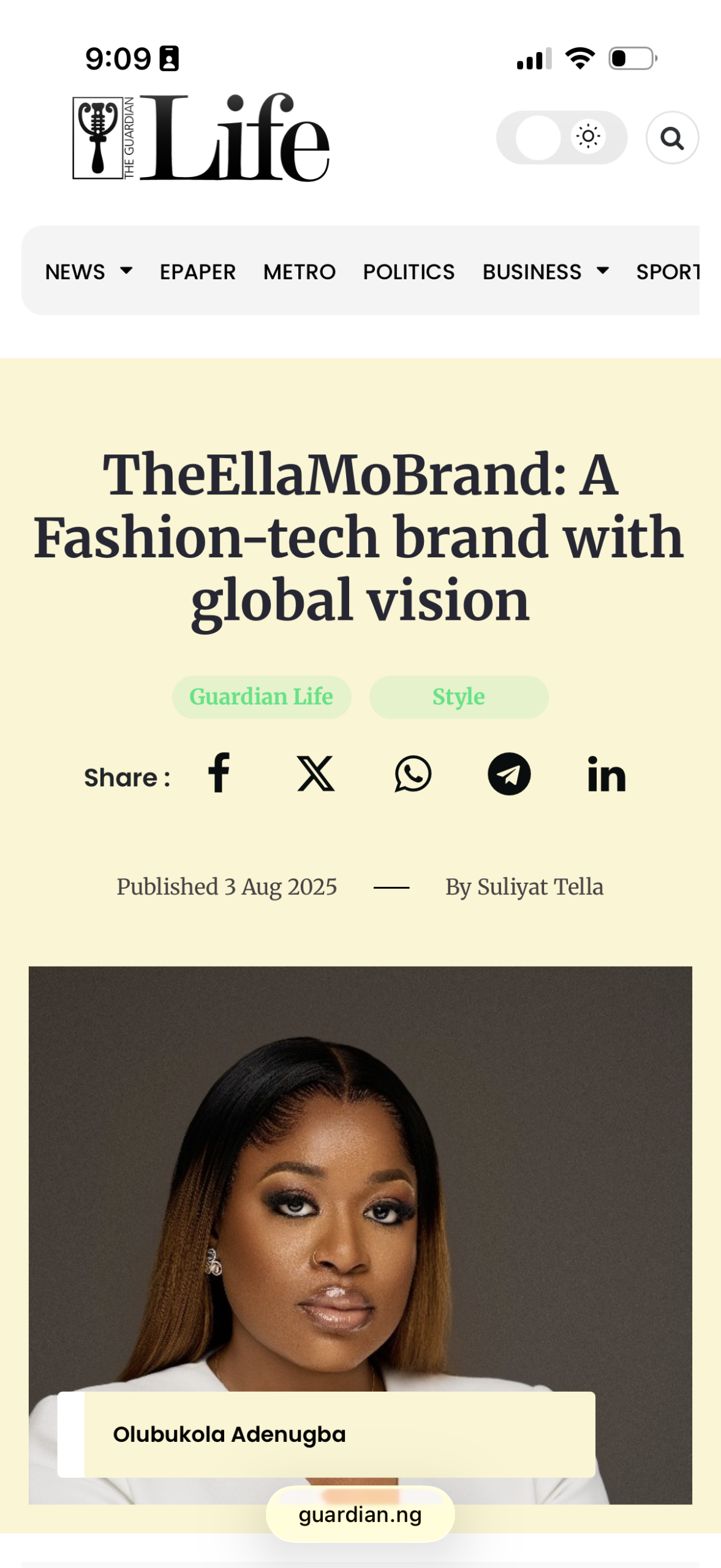
Guardian Nigeria Saturday Magazine feature on The Ella Mo Brand
An African Fashion Platform Built on Three Non-Negotiables
The Ella Mo Brand is a curated fashion-tech e-commerce platform. It sits at the intersection of African design talent and the global diaspora audience hungry for it. But calling it a platform understates what is actually happening inside it.
Olubukola evaluates every brand on the platform against three criteria she first developed during her fashion training and has held to ever since: authenticity of cultural expression, quality of craftsmanship, and integrity in how a brand represents its origins.
This is not a marketplace chasing volume. Instead, it is editorial curation, held to the standard of a luxury concept store buyer. The result is a platform where every piece carries cultural intention, and where the diaspora customer can trust what he or she finds.
Moreover, that standard does not shift. It applies with the same rigour to well-known brands and emerging ones alike. Commercial pressure does not move it.
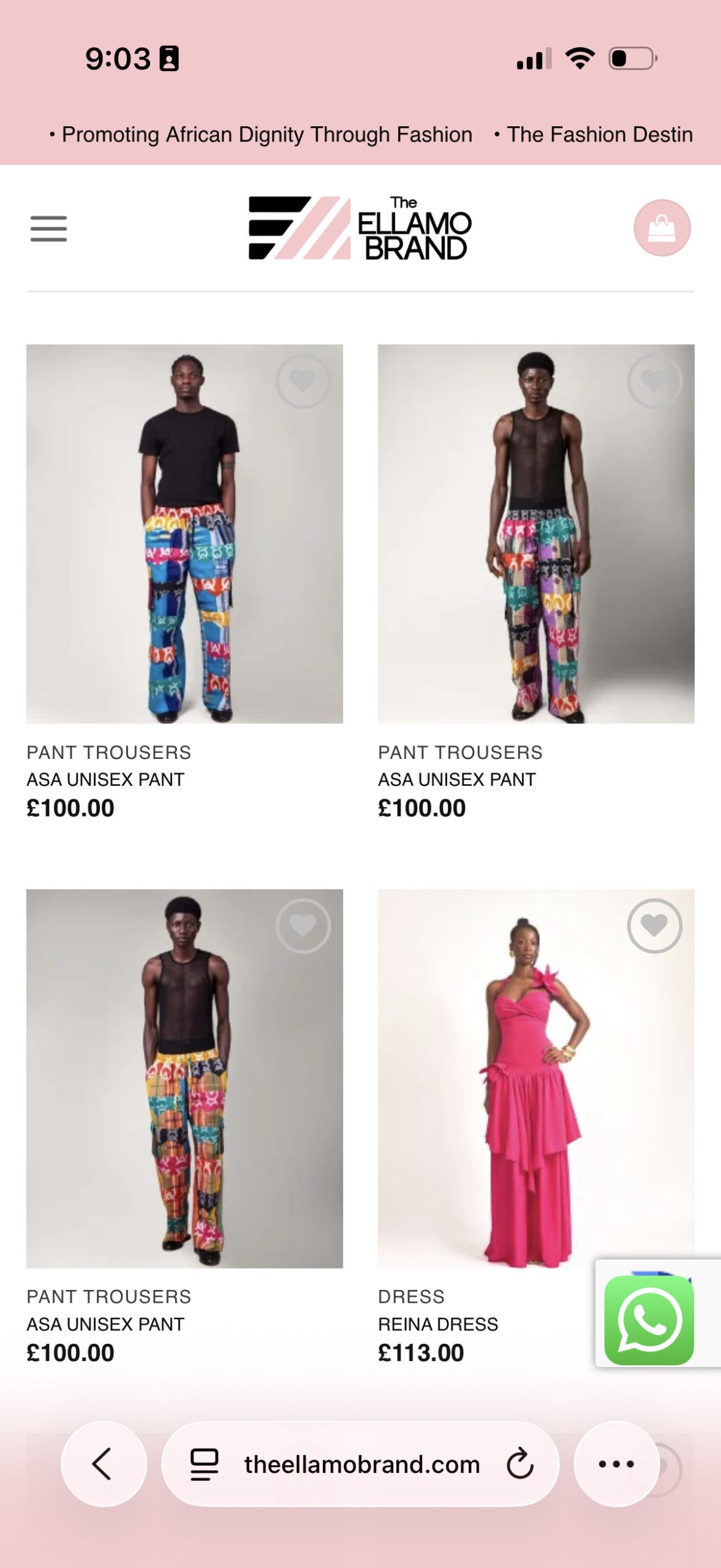
The Ella Mo Brand platform – curated brand display
Working at the Design Stage, Not Just the Retail Stage
What sets The Ella Mo Brand apart from a curated shop is what happens before the customer ever arrives.
Olubukola works with African designers at the production stage, contributing to the conception of pieces that translate African aesthetic traditions for a diaspora wardrobe without diluting what makes them culturally significant. This is not a passive curatorial role. It is an active creative methodology.
Her collaborative work with Tania Omotayo’s Ziva Lagos is the clearest example of this in practice. Ziva Lagos brings four consecutive years at Arise Fashion Week, UNESCO-affiliated platform presentations in Paris, and a presence at Dubai Expo 2020. These are not transactional arrangements. Rather, they are design-stage partnerships built on a shared conviction that African fashion deserves to reach its audiences without compromise.
As a result, the garments that come from these collaborations carry a specificity in cultural reference, silhouette, and finish that speaks to a trained creative sensibility operating at the intersection of two fashion cultures at once.
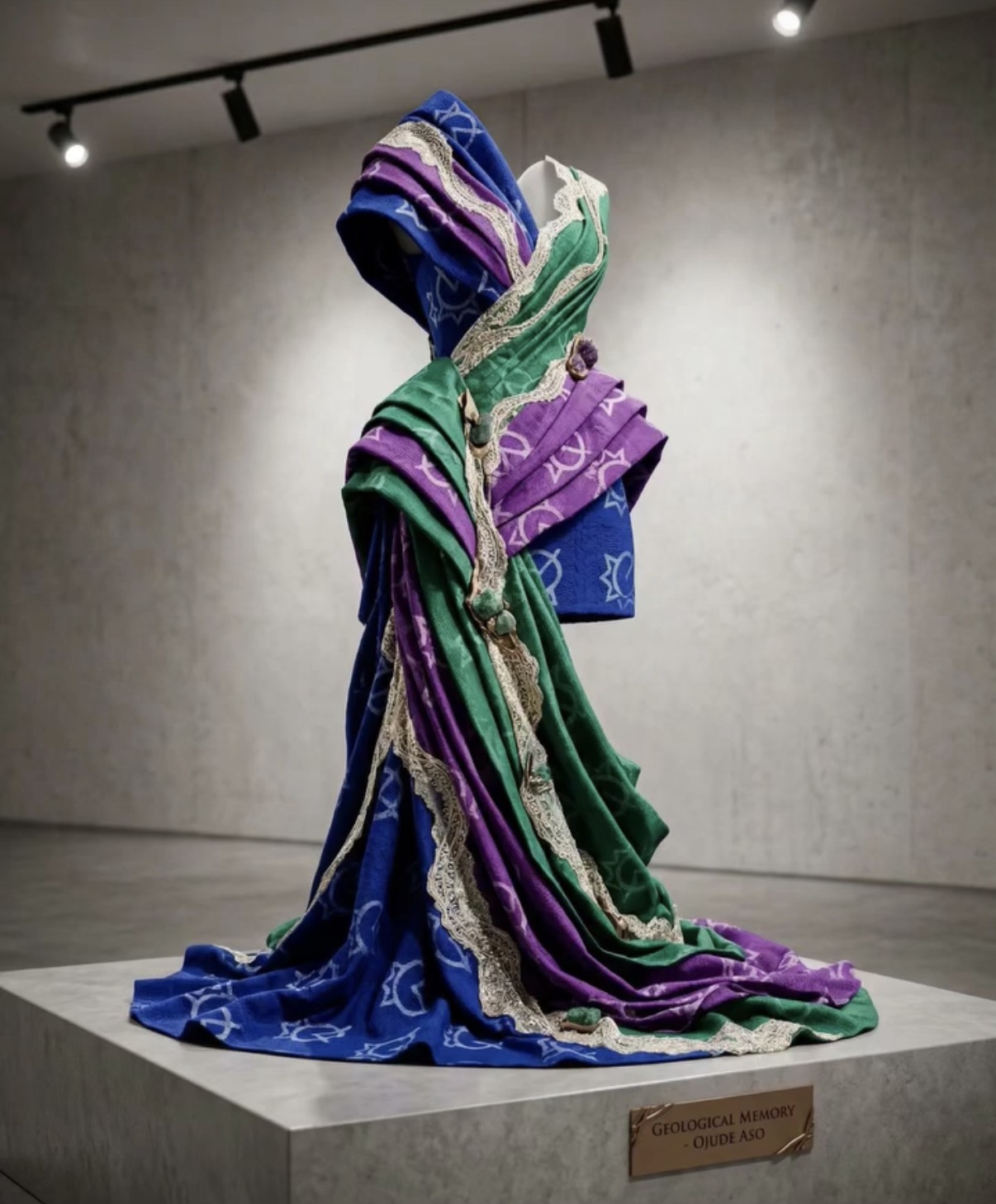
Recent Co-creation work of The Ella Mo brand with Ojude Aso (Image credit: ARTNOVATION)
What the Industry Is Saying
The measure of a platform’s significance is not what its founder says about it. It is what the industry says without being prompted.
Tania Omotayo of Ziva Lagos chose to have her brand commercially stocked on the platform. Similarly, Toyin Lawani, CEO of Tiannah’s Place Empire, with 25 years in the African fashion industry and over 2 million Instagram followers, has worn and publicly endorsed the curated designs, and has mentored Olubukola through the specific challenge of building an African fashion platform in the UK.
Then there is Yetunde Akande of Yetroselane Fashion Academy, who trained Olubukola and now has her brand commercially stocked on the platform. When the person who taught you the standards later chooses to be stocked by the platform you built on those standards, that is not coincidence. That is a closed loop of credibility.
The media recognition follows the same pattern. The Guardian Nigeria’s Saturday Magazine fashion section ran an independent editorial feature on the platform. In addition, La Mode UK, a UK-registered publication with presence in both Africa and the UK, featured Olubukola as their cover subject.
These are not arranged endorsements. They are independent assessments from people and institutions who know the African fashion industry from the inside.
Building the Community, Not Just the Business
The most telling indicator of a creative leader’s intention is what they do when the commercial case is already made.
For Olubukola, the answer is to go into schools.
Her community education programme takes her into UK schools, where she runs workshops introducing young people to African fashion heritage: the history of African textiles, the ceremonial significance of dress, and the craftsmanship traditions that underpin the designs on her platform. In a country where the African diaspora is one of the most culturally invested communities, this work builds the next generation of informed customers, creators, and advocates for African fashion.
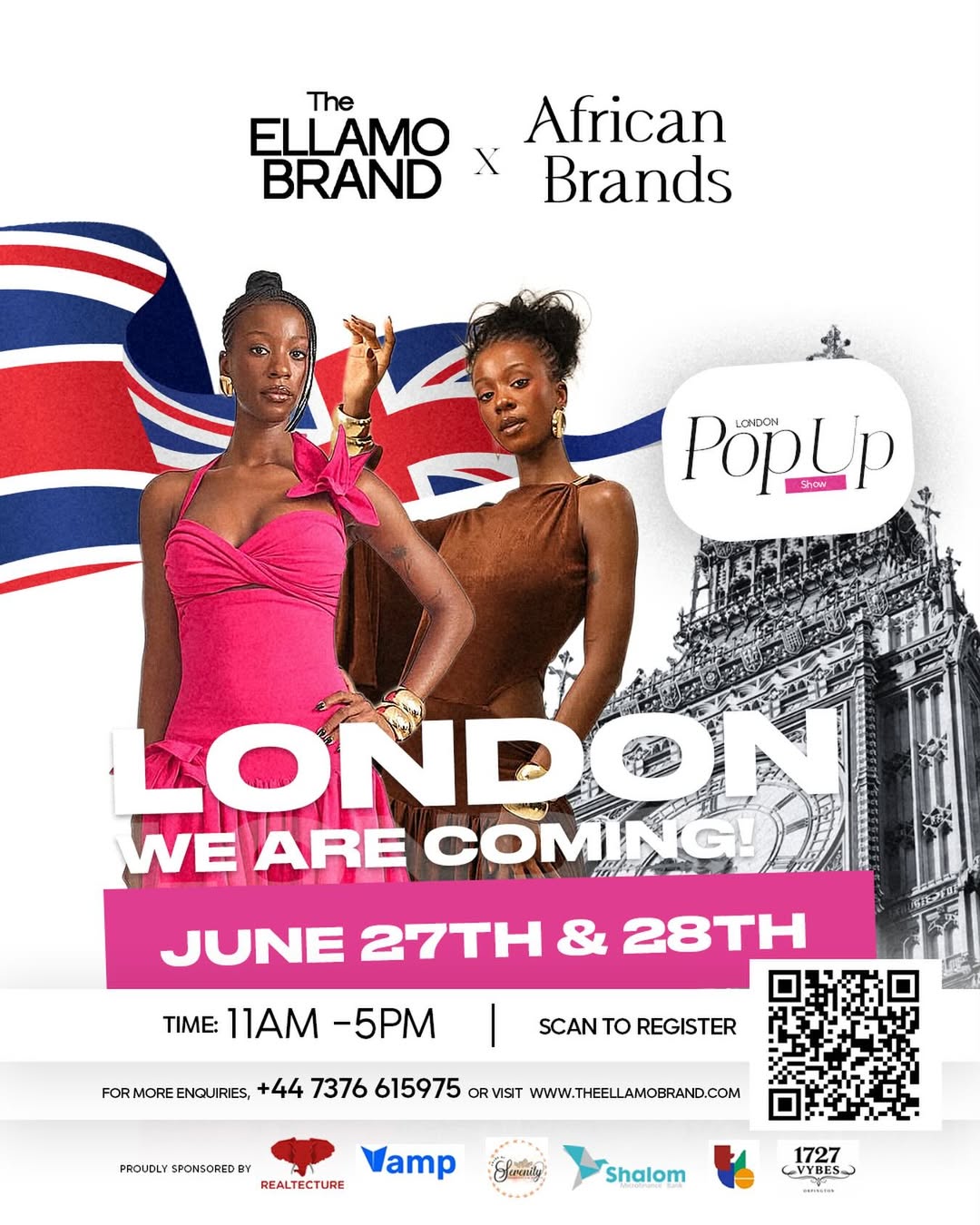
Beyond education, her London Pop-Up Exhibitions bring multiple African fashion brands into direct contact with UK buyers and diaspora communities. The first has already taken place. The second is scheduled for June 27 – 28. 2026. She is not only building a platform. She is building a market.
One of Our Own
Olubukola is a Bellafricana member. And what she is building is exactly the kind of work this community exists to celebrate.
Bellafricana was built for African creative entrepreneurs who are not just running businesses. They are building the systems and infrastructure that the wider African creative economy depends on. The Ella Mo Brand is precisely that kind of work.
It is rigorous where others are casual. It is culturally grounded where others are trend-driven. And it is building real commercial infrastructure, from the UK, for one of the most commercially significant yet underserved audiences in global fashion.
Why This Matters
This is what it looks like when an African creative entrepreneur builds for the long term.
The Ella Mo Brand is not chasing noise. Instead, it is building the infrastructure that makes the room possible: a reliable, culturally intelligent, editorially rigorous African fashion platform that the diaspora market has been waiting for.
African fashion’s global moment is here. Talent was never the question. The question was always who would build the systems to carry that talent to the audiences it deserves.
On that question, Olubukola Adenugba is doing the work.
At Bellafricana, that is exactly the kind of work we exist to recognise.
Every great event has stories behind it. Not just the displays and the designs you see on the day, but the people, the journeys, and the quiet convictions that brought them there.
That is exactly what this editorial series is about.
As TALES 2026 in London approaches, we are sitting down with the creatives who will be in the room. Not to tell you what to expect. But to let you hear it from them directly. Their stories, their brands, their reasons for showing up.
So consider this your introduction. The first of many.
The Conversation
B: Tell us about yourself, your name, where you’re from, and what you do.
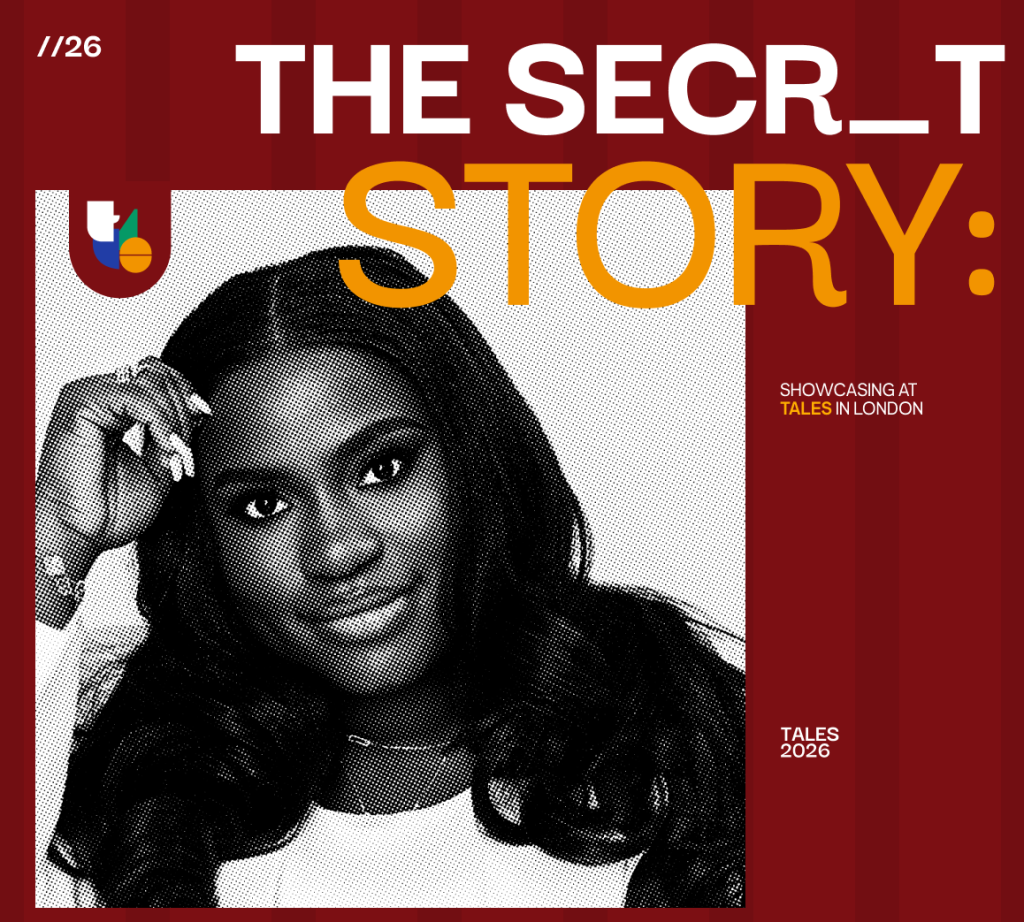
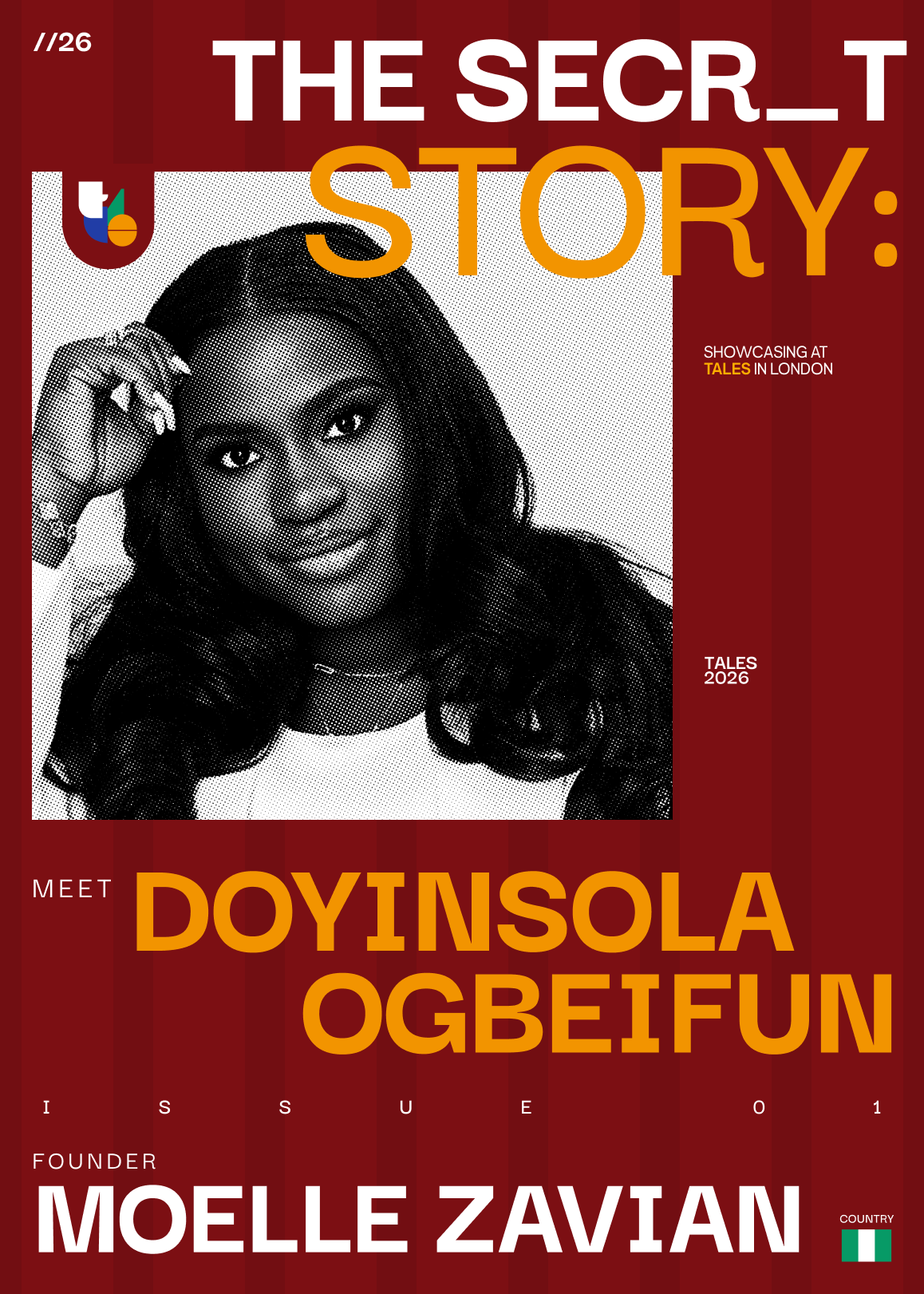
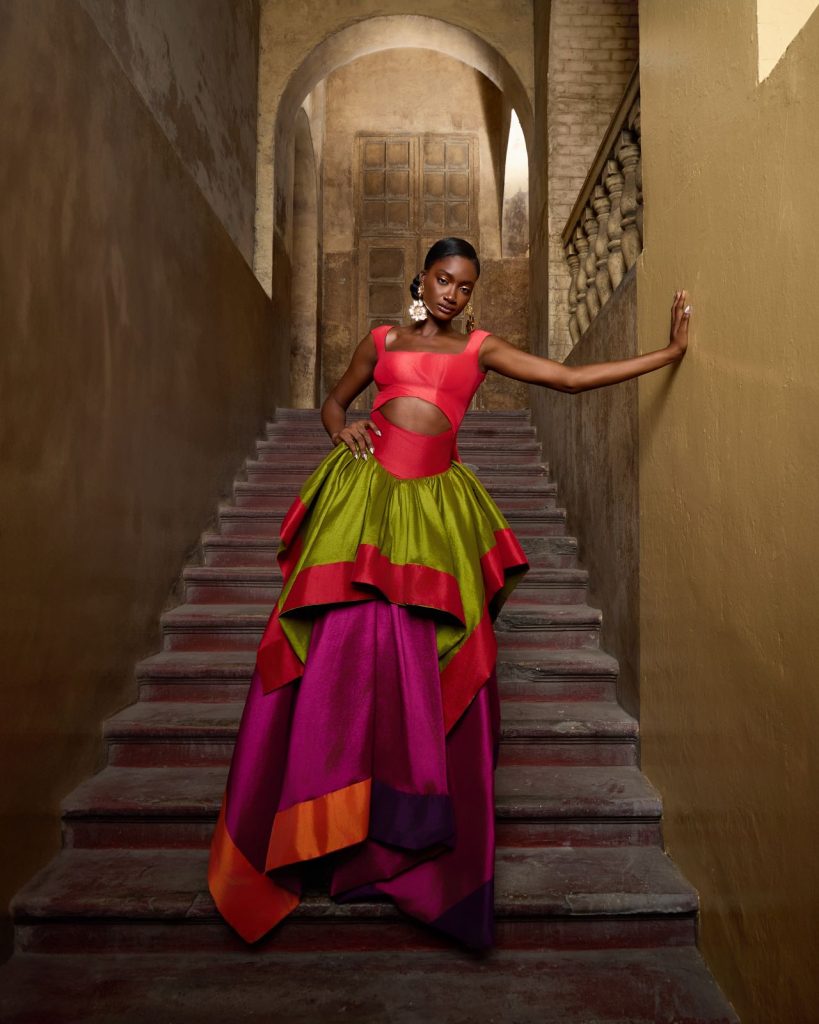
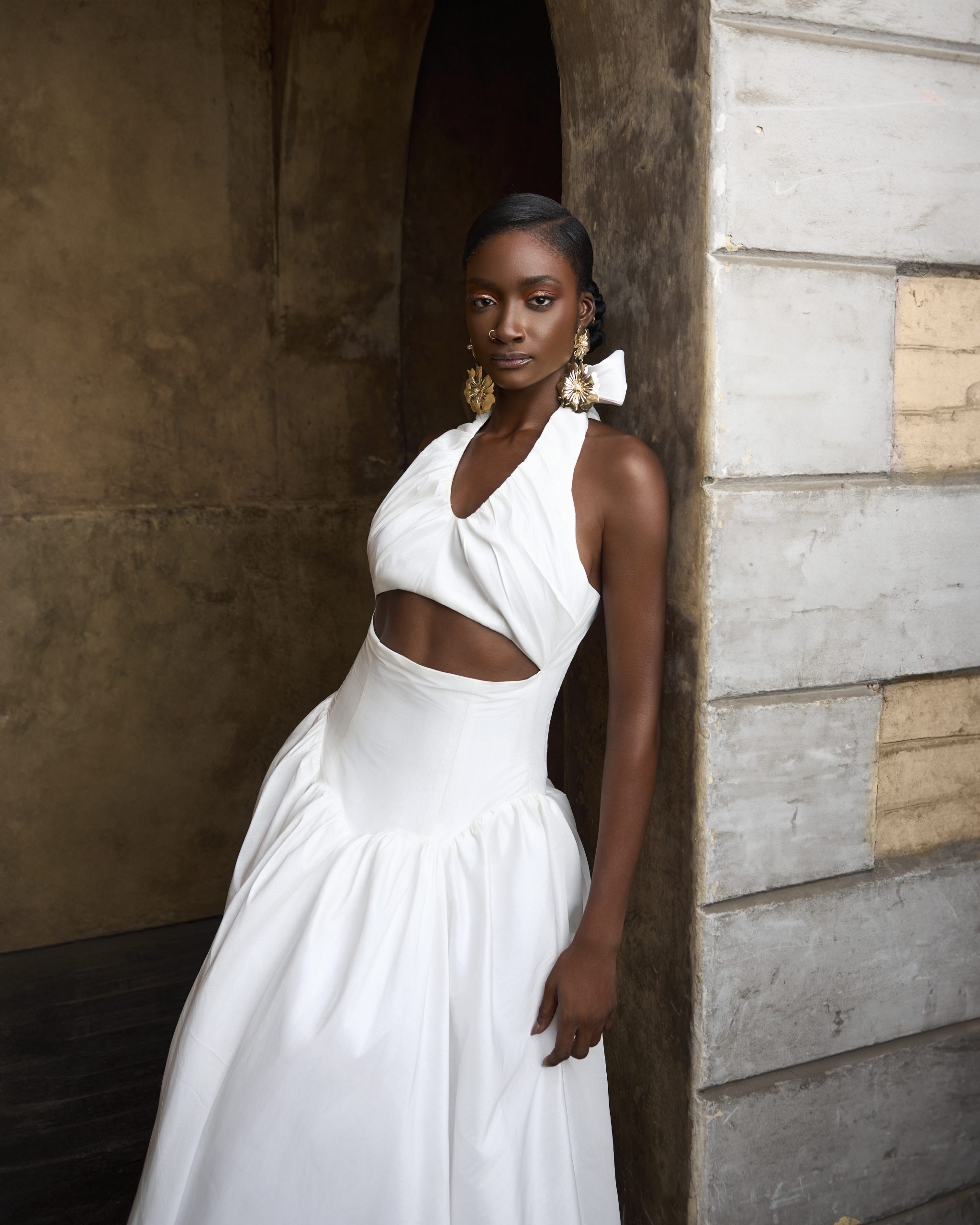
D: My name is Doyinsola Ogbeifun, and I am from Nigeria. I am the founder and creative director of Moelle Zavian, a fashion brand dedicated to creating elevated, feminine occasionwear for women across the world.
B: What inspired you to start the brand?
D: Moelle Zavian was born from a desire to create pieces that truly honour the female form, especially for women who often feel overlooked by standard sizing. I wanted to design garments that feel intentional, flattering, and deeply personal.
On the Brand
B: What is the secret story behind Moelle Zavian that most people don’t know?
D: Beyond the aesthetics, the brand is rooted in transformation. Many of our designs reflect quiet becoming moments where a woman steps into a new version of herself, even before the world fully sees it.
B: What inspires the pieces you create?
D: I am inspired by women, their transitions, their confidence, their softness, and their strength. I also draw from structure and fluidity, blending sculpted silhouettes with movement and detail.
B: What do you want people to feel when they experience your brand?
D: I want them to feel seen, confident, and elevated. Like they are stepping into the most refined version of themselves, effortlessly.
B: What makes Moelle Zavian unique globally?
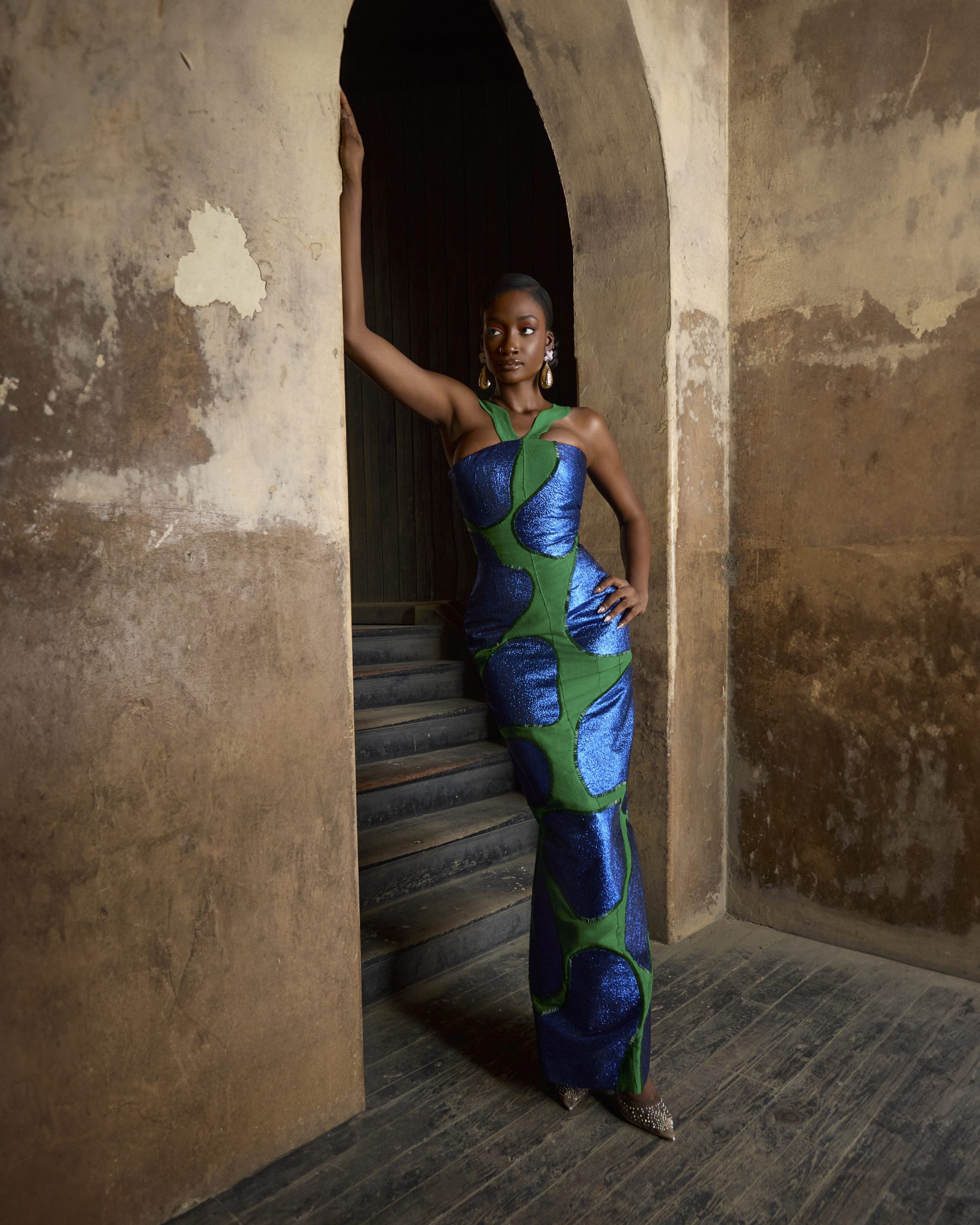
D: Our focus on fit and intention. We design for tall, curvy, and petite women, offering a more personalised approach to occasionwear. Every piece is crafted with precision, ensuring it doesn’t just look beautiful, it feels made for you.
B: What should visitors look forward to at TALES 2026?
D: Visitors can expect a curated presentation of our signature designs, including standout pieces from our latest collection. There will also be an opportunity to experience our craftsmanship up close and explore custom options.
B: What does showcasing at TALES mean to you?
D: It represents visibility, growth, and connection. It is an opportunity to share our story on a global stage and connect with a community that values intentional design.
B: Why should people come and experience Moelle Zavian at TALES 2026?
D: Because Moelle Zavian is more than clothing, it is an experience. It is about stepping into pieces that are thoughtfully made, emotionally resonant, and designed to leave a lasting impression.
Don’t Sleep on TALES 2026, London
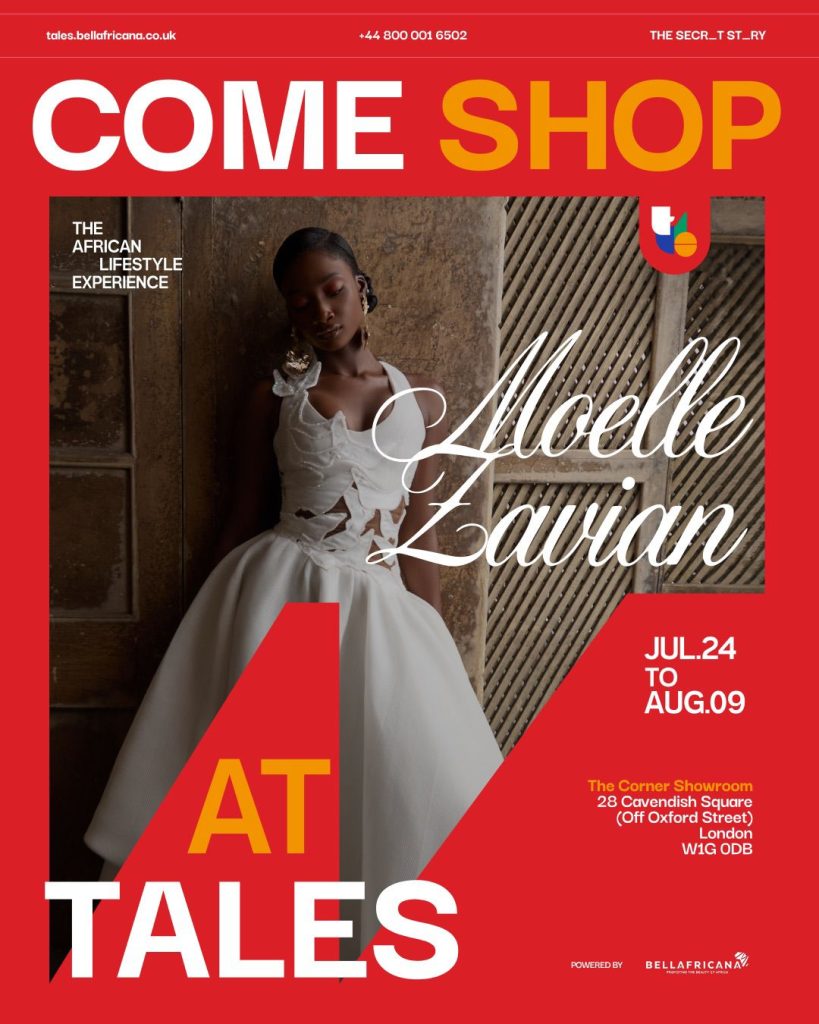
Moelle Zavian will be at TALES 2026 London this July, and this is exactly the kind of brand you want to discover in person. The craftsmanship, the fit, the intention behind every piece. It hits differently when you are standing right in front of it.
Many creatives think the problem is visibility or sales. They post more, take better photos, or create more content. But when it comes to brand storytelling for creative businesses, the real problem is often the story itself. Not that you do not have a story. The problem is that you are telling the wrong one. Most creatives focus on what they did, how long it took, the materials they used, and the process.
While all of that matters, it is not what people connect to. People do not buy effort. They buy meaning. Research published by Google shows that emotional connection is a key driver of how people choose and stay loyal to brands.
Process matters, but meaning is what people connect to.
Many brand stories focus on process instead of meaning. After working with African creatives preparing for exhibitions and global opportunities, one thing is clear. Beautiful, well-made work can still be overlooked when the story behind it is not clear. The issue is not quality. It is clarity.
What Makes a Strong Brand Story
A strong brand story shows why your work exists, what it represents, and who it is for. The brands that stand out are not always the most skilled. They are the ones people understand quickly and clearly. Clarity builds connection. Connection builds value.
5 Steps to Tell Your Brand Story the Right Way
1.Start with the origin: Focus on why this work began, not just how you made it.
2.Define what your work represents: Is it culture, identity, memory, sustainability, or something else? Make that clear.
3.Be specific about your audience: Not everyone who likes your work. Identify who truly sees themselves in it.
4.Translate your work into feeling: What should someone feel when they see or own it? Emotional connection drives value.
5.Repeat your story consistently: Use your captions, website, conversations, and exhibitions. Repetition builds recognition.
A strong brand story connects your work to emotion and identity.
The Power of What You Don’t Reveal
Not every part of your story needs to be told at once. Part of what makes a brand interesting is anticipation. When people sense that there is more to discover, they pay closer attention. They lean in. They stay curious.
Strong brands understand timing. They know what to share now and what to hold back. Sometimes, the most powerful part of your story is the part you choose to reveal later.
Why Your Brand Story Matters for TALES 2026
This is where brand storytelling for creative businesses becomes even more important. This year’s TALES theme is The Secret Story. It invites creatives to move beyond simply showing their work and begin to reveal something deeper.
TALES 2026 is not just about displaying products. It is about unveiling something new. A piece, a collection, or a story your audience has not experienced before. What matters is not just what you create, but how you bring people into the discovery of it.
Some stories are meant to be discovered in person.
Final Thoughts
Before focusing on pricing, content, or visibility, ask yourself: Are you telling people what you did, or showing them what it means?One explains your work. The other makes people choose it. And beyond that, ask yourself: What part of your story are you still holding back?
If you want to present your work with clarity, meaning, and intention, TALES 2026 is the place to do it. Apply to exhibit here: http://Bellafricana.com/popup-london
You have 10,000 followers. Last month, you made 2 sales.
The math isn’t mathing. And you’re starting to wonder: Is my work not good enough? Am I pricing wrong? Should I post more? Should I run ads? Should I rebrand?
None of those are the problem.
The problem is simpler, and harder to fix than you think. Your creative business visibility isn’t the issue. Your targeting is. You’re not invisible. You’re just visible to the wrong people.
The Lie We’ve Been Sold
For years, social media taught us a lie: More visibility equals more sales.
Get more followers. Post more content. Show up on more platforms. Go viral. Get featured. Build your audience.
We believed it because it made sense. The more people who see your work, the more people will buy it. Right?
Wrong.
Because visibility without conversion isn’t a business. It’s a hobby with an audience.
You can have 50,000 followers and make zero sales. You can have 500 followers and be fully booked. The difference isn’t the size of your audience. It’s WHO is in your audience.
The Real Problem (Not What You Think)
Here’s what actually happened:
In reality, you built creative business visibility with people who will never buy from you.
Your followers are other creatives who are building their own brands. They’re scrollers who consume content but don’t purchase. They’re lurkers who watch but never engage. They love your work. They’ll double-tap your posts. They’ll save them for “inspiration.” But they won’t pull out their wallets.
And you didn’t do this on purpose. You did it because the algorithm rewarded you for it.
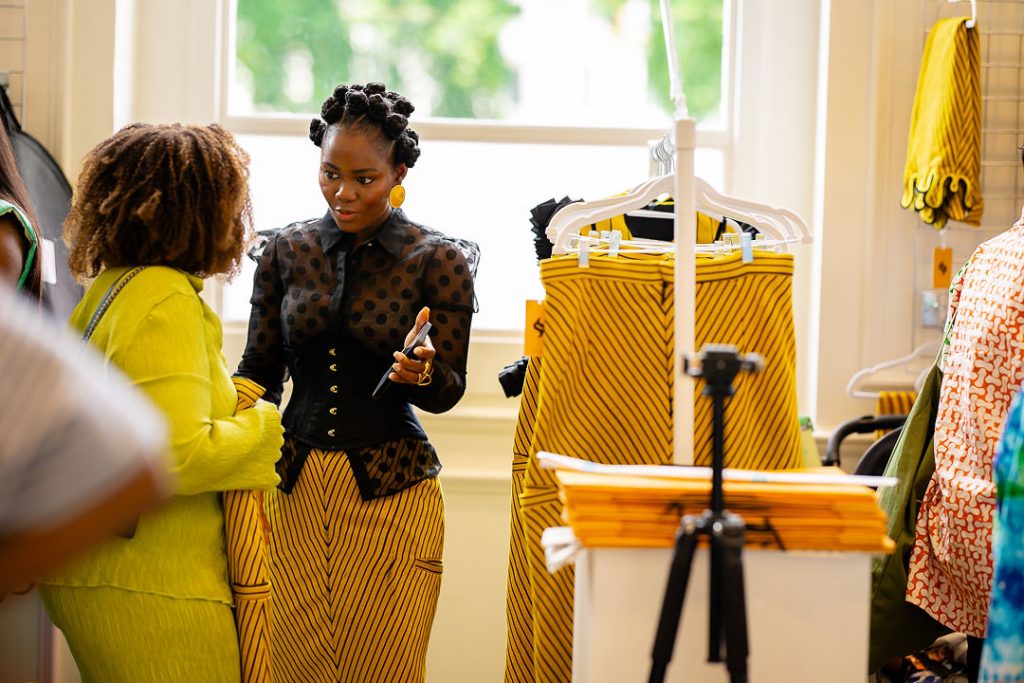
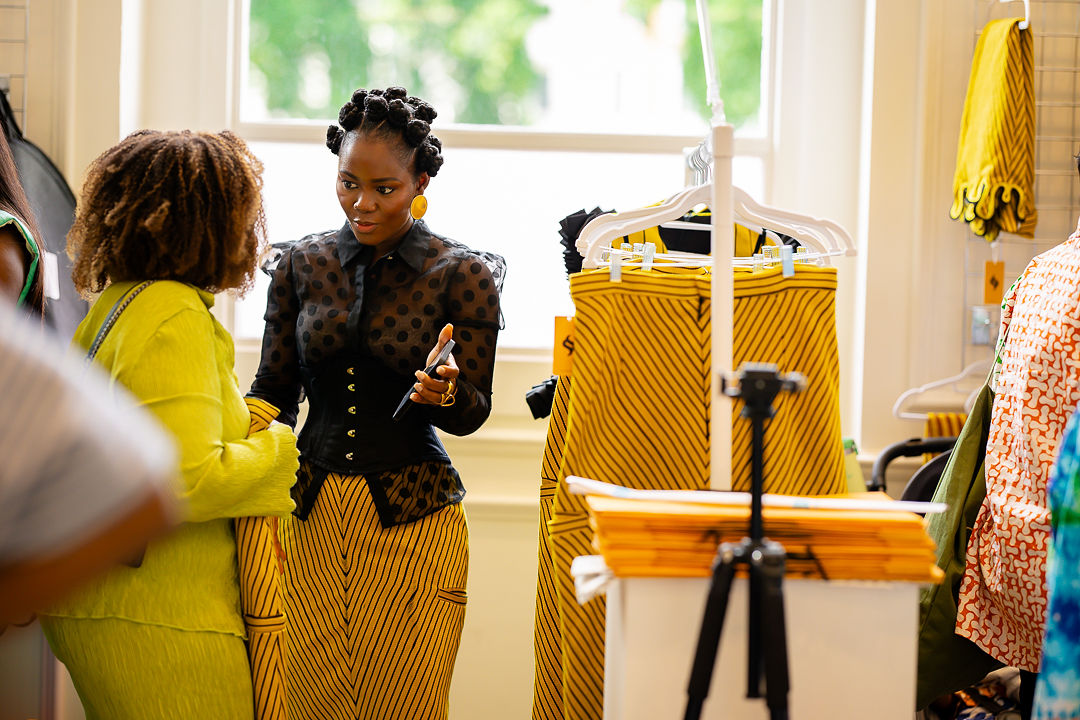
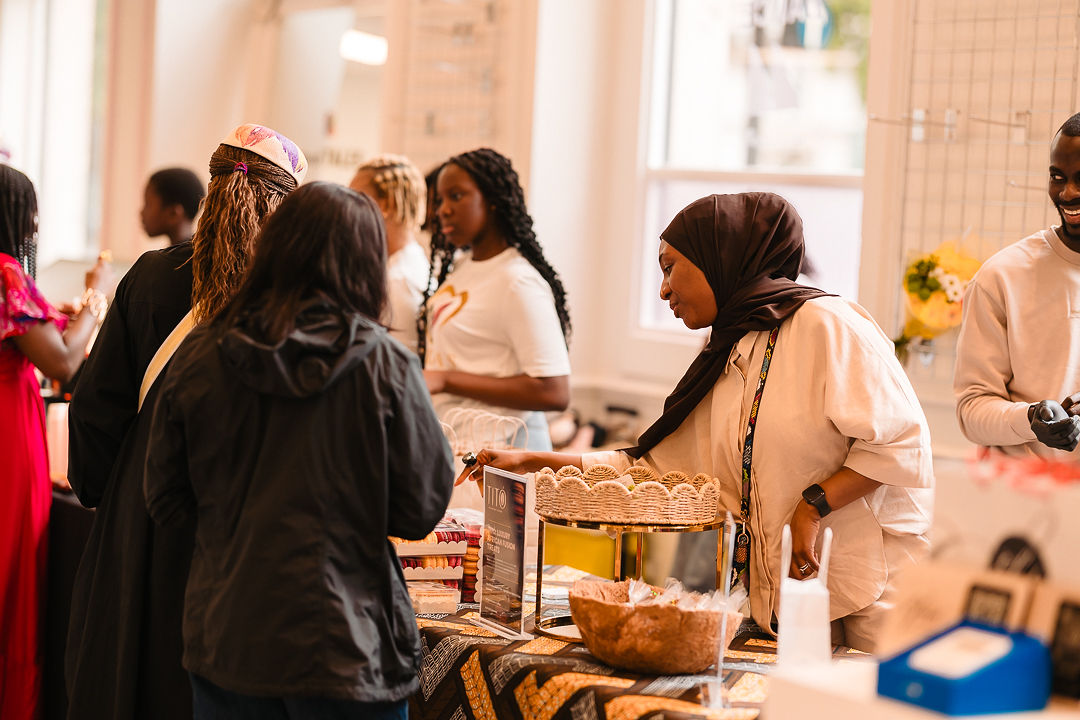
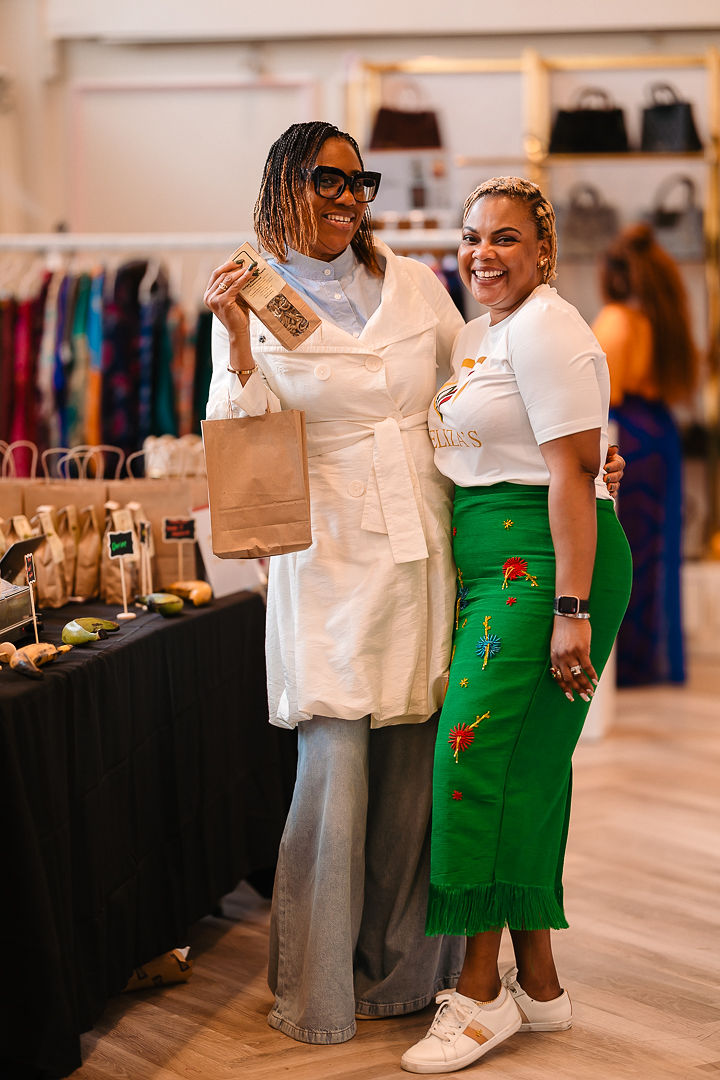
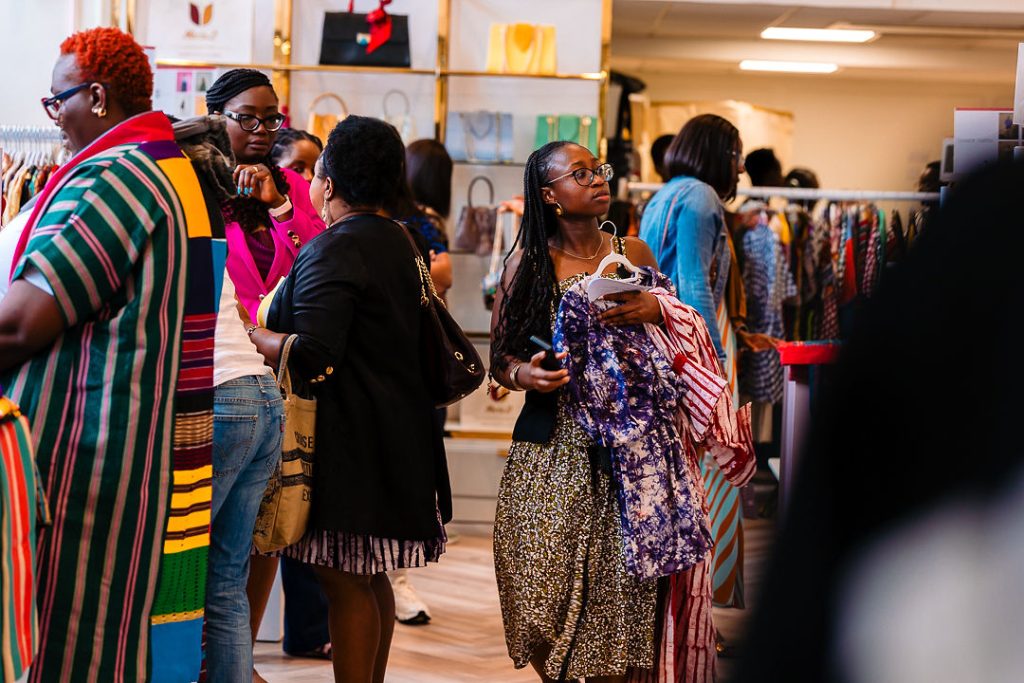
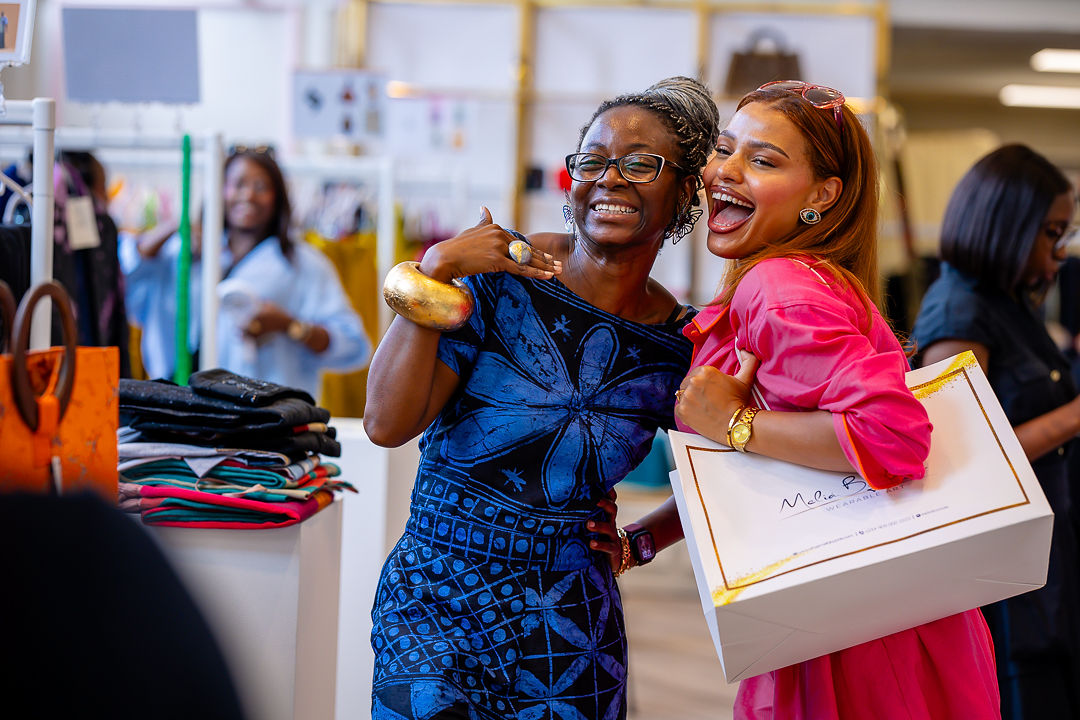
Creatives at TALES 2025 engaging with buyers, visibility that converts.
Why This Happens
In essence, you optimized for engagement instead of conversion.
You posted content that got likes, shares, and saves. The algorithm saw that engagement and said, “Great! Show this to more people who engage like this.” So it showed your work to more creatives, more scrollers, more people who love to consume but never buy.
Meanwhile, your actual buyers, the people who need what you make and are willing to pay for it, never saw your work. Because they’re not spending their days scrolling Instagram looking for inspiration. They’re somewhere else entirely.
That’s the visibility gap.
The Visibility Gap: Buyers vs. Followers
Here’s the truth most creatives don’t realize:
Buyers and followers aren’t the same people.
Your buyers might not even follow you. They saw your work once, at the right time, in the right place, and bought. Meanwhile, your followers see your work every day and never buy.
Think about your last 10 sales. How many of those buyers were already following you? Probably not many.
Some found you at a market. Others through a friend’s recommendation. Maybe a few in a Facebook group where your target customers hang out. Or through a Google search. Perhaps through a collaboration with another brand.
They didn’t find you because you posted on Instagram every day. They found you because you showed up where THEY were.
That’s creative business visibility that converts.
The Visibility Blueprint: Finding Your Buyers
Therefore, if you want to fix your creative business visibility problem, you need to stop guessing and start tracking.
Here’s how:
Step 1: Ask Your Last 10 Buyers Where They Found You
DM them. Email them. Call them if you have to. Ask two questions:
“Where did you first see my work?”
“What made you decide to buy instead of just scrolling past?”
Step 2: Look for the Pattern
When you get their answers, document them. You’ll start to see patterns.
Perhaps 7 out of 10 found you at a local market. Another 5 found you through a mutual friend’s recommendation. Maybe 3 found you because you showed up in a niche Facebook group where your target customers hang out. Or 2 found you through a collaboration with a complementary brand.
That pattern is your visibility blueprint. In other words, that’s where your buyers actually are.
Step 3: Double Down on What’s Working
Once you know where your buyers are finding you, stop spreading yourself thin across six platforms hoping something sticks.
Go ALL IN on what’s actually working.
Face-to-face connection at TALES turning visibility into sales.
If most of your buyers found you at markets, show up at more markets. Build relationships with organizers. Get better at in-person sales.
If most found you through referrals, build a referral system. Make it easy for happy customers to share your work with their friends.
If most found you in a specific online community, become a valuable member of that community. Show up consistently. Help people. Build trust.
If pop-ups and markets have been your visibility strategy, don’t miss The African Lifestyle Experience (TALES 2026). Last year, we brought together 70+ vendors and 15,000 shoppers in London. Proof that showing up where buyers gather works. More importantly, the human connection you build at TALES creates customer traction that continues long after the event ends. Register here to secure your spot.
You don’t need to be everywhere. You just need to be visible where your buyers actually are.
What To Do Now
As a result, the solution to your creative business visibility problem isn’t more followers. It’s finding the RIGHT people.
Stop optimizing for engagement. Instead, start optimizing for conversion.
Stop chasing 100,000 followers. Start finding 1,000 people who see your work and think, “I need this.”
Rather than posting everywhere hoping something works, start showing up intentionally where your buyers already are.
That’s when creative business visibility starts driving sales, not just likes.
Here’s your action step:
Specifically, this week, DM or email your last 10 buyers. Ask them where they found you and what made them buy.
Document their answers. Look for the pattern.
Then, do MORE of what’s working.
That’s how you fix your visibility problem. Not by being seen by more people. But by being seen by the right ones.
Want more strategies like this? Follow us on Instagram @bell_africana for insights that help creative businesses grow.
There is a moment many creatives know well. You are in a room. A gallery, a pitch, a conversation. Somewhere along the way, you find yourself shrinking. Softening your edges. Translating yourself into a language that feels safer for the people around you.
Zainab Sumu decided she is done with that room.
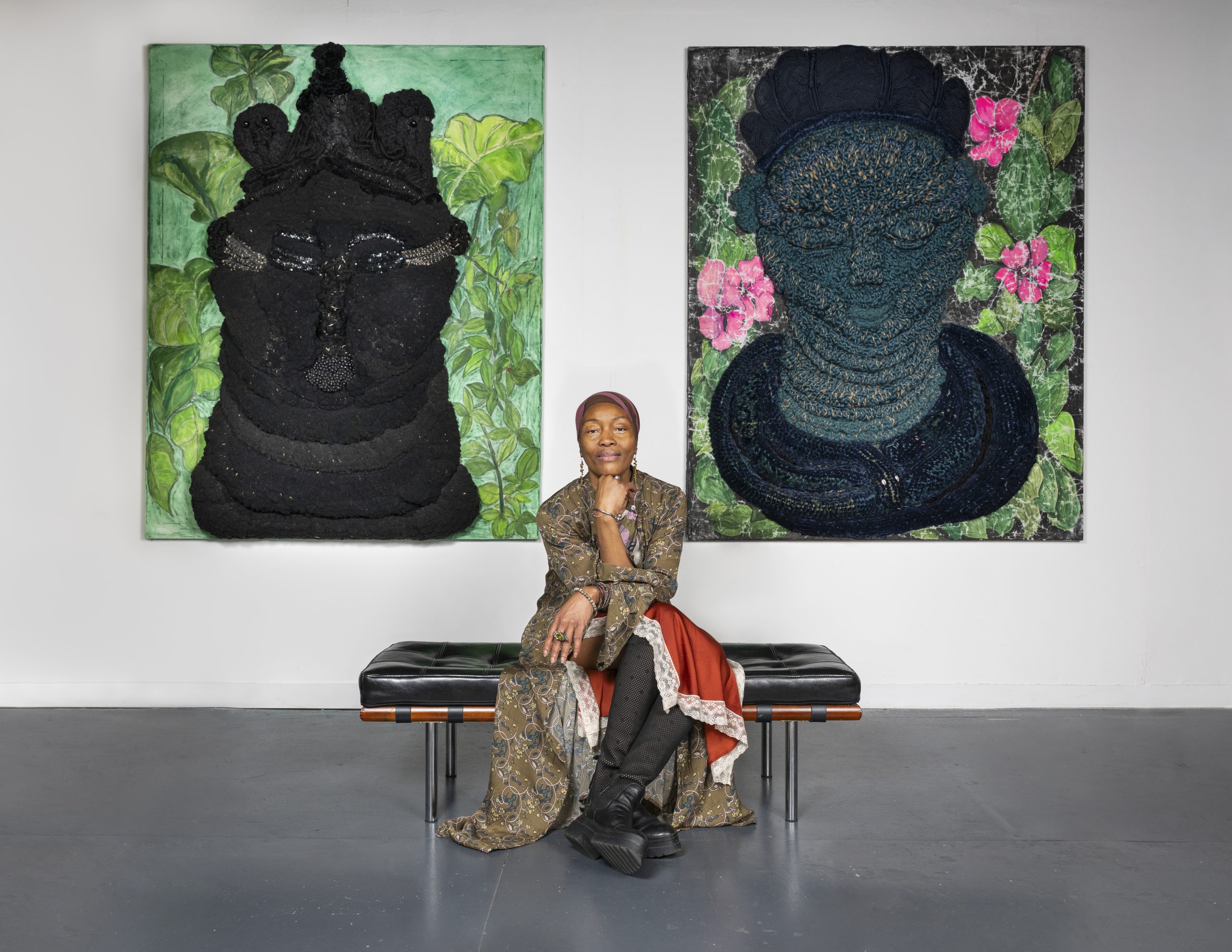
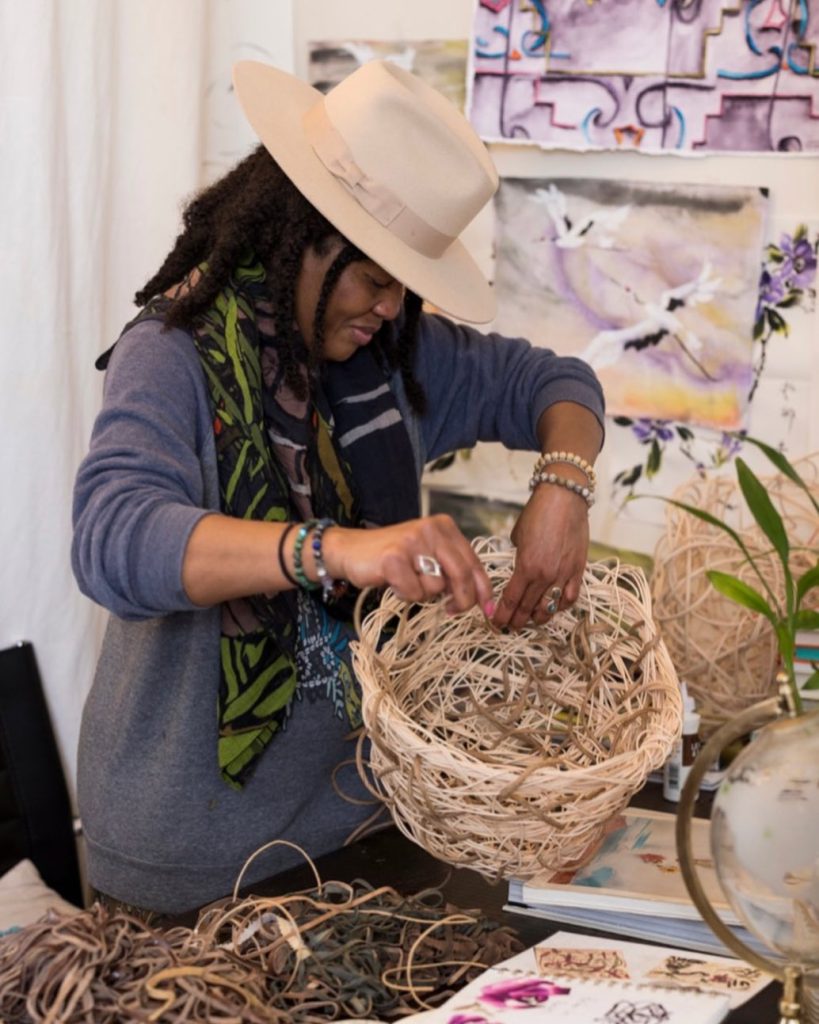
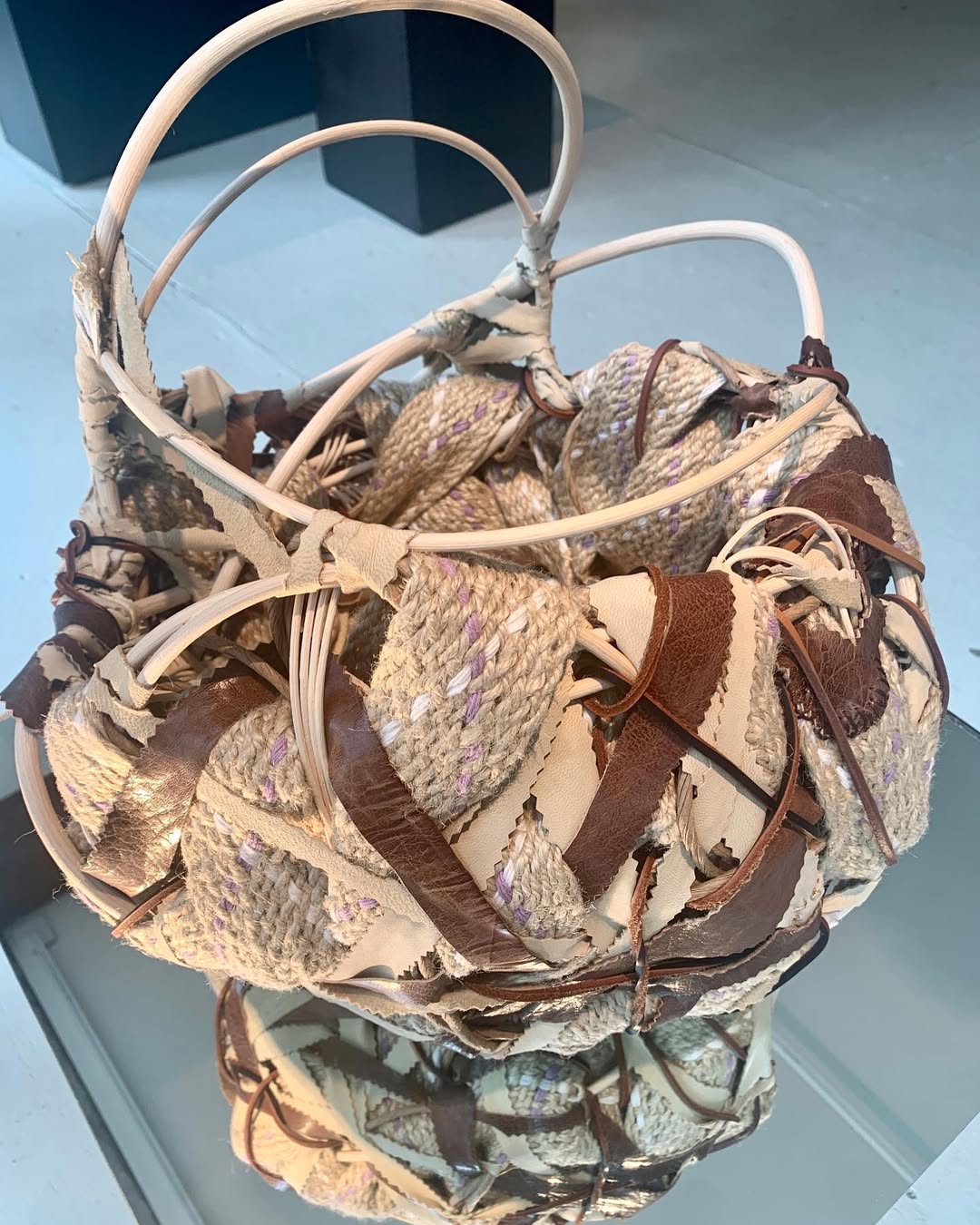
The Sierra Leonean-born, Cambridge-based artist has spent her career building a practice rooted in what she calls the living intelligence of African cultural inheritance. Through woven sculpture, painting, textiles, and print, she does not just reference African heritage. Instead, she treats it as a full creative methodology. One with its own depth, logic, and power.
This year, she is not dimming any of it.
In this edition of the African Creatives Spotlight, Zainab Sumu shares what it really means to build with intention and why the most powerful thing a creative can do is stop shrinking.
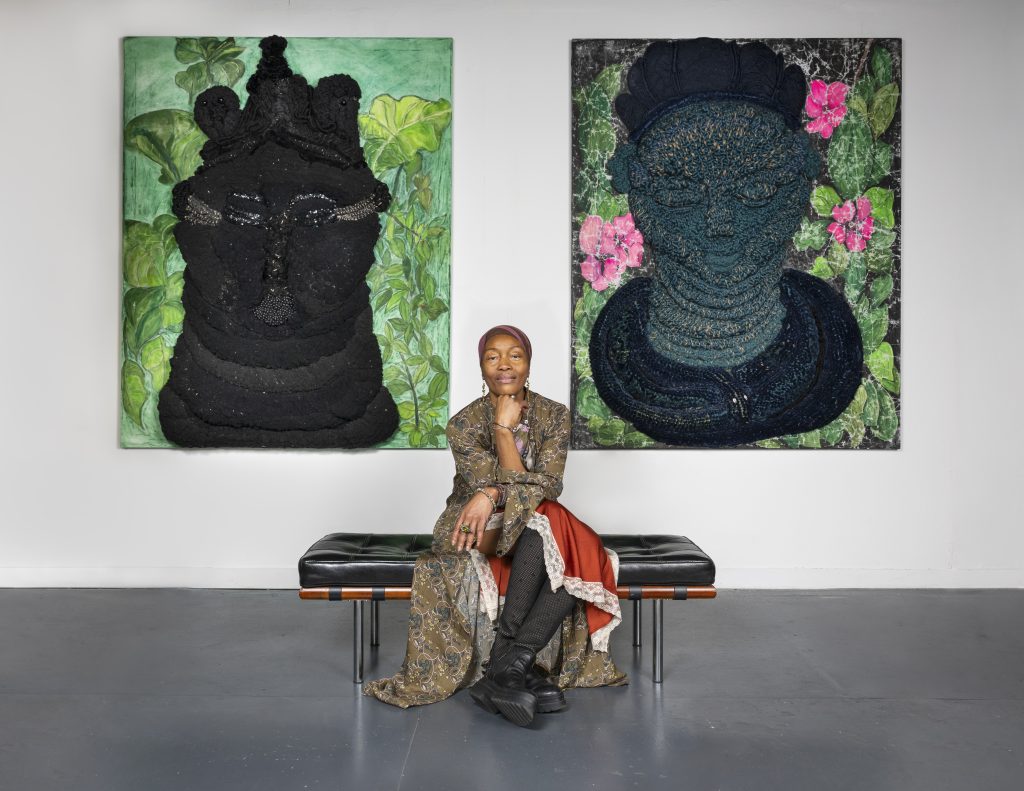
Zainab Sumu, contemporary artist and cultural storyteller. Photo credit: Anna Olivella
From Over-Explaining to Owning It
One of the most honest things the Zainab Sumu journey reveals is how much energy creatives spend justifying their work to audiences who were never their people to begin with.
Last year, something shifted for her. She stopped needing to over-explain. The more grounded she became in her own cultural language, the more her work resonated. Not less. That is the counterintuitive truth she is living right now.
Ultimately, it is a lesson that takes most artists years to learn. You do not make your work more universal by making it more generic. In fact, you make it more universal by making it more yours.
What Stewardship Looks Like in Practice
Zainab is the founder of Studio Znabu, her fine art studio launched in 2021. In addition to that, she runs her textile brand, Zainab Sumu Primitive Modern, which she started in 2015. Her woven fiber sculptures also sit in permanent collections, including the Peabody Essex Museum and The Quin House Boston.
However, when she describes her mindset for this year, she does not reach for a hustle word. She says stewardship and expansion.
This is a deliberate choice of language. Stewardship suggests responsibility and care. The work, in her view, is not just hers. Rather, it belongs to something larger and carries a duty beyond the individual. Consequently, her practice is built not for speed, but for legacy.
That kind of thinking changes how you build. In short, it means growth does not come at the cost of the thing that made the work worth building in the first place.
Photo credit: Somerby Jones
The African Creatives Spotlight Interview
We asked Zainab Sumu the same questions we ask every creative in this series. Her answers, as you will see, are anything but ordinary.
Introduce yourself.
My name is Zainab Sumu. I am a contemporary artist and cultural storyteller born in Sierra Leone and based in Cambridge, Massachusetts. Furthermore, I am the founder of Studio Znabu, a creative platform through which I expand my practice into community, design, and cultural dialogue. Through woven sculpture, painting, textiles, and print, I explore memory, material, and cultural inheritance as living systems of knowledge within African and diasporic cultures. At the heart of my practice is a deep love for beauty, lineage, and the ways culture connects us across time.
Describe this current season of your creative journey in one sentence.
This is a season of intentional expansion. Specifically, I am deepening my voice while building structures that allow my work to travel further and touch more lives.
What did the past year teach you about yourself or your brand?
The past year taught me to move with patience and conviction. When I honor my roots and trust my intuition, the right opportunities align. As a result, the work carries itself with quiet authority.
Was there a moment in the past year that changed how you approach your work?
Yes. I realized that I no longer need to over-explain my work for it to be understood. The more grounded I am in my cultural language, the more universally the work resonates.
Nothing About Zainab Sumu Is Accidental
Not the words, not the work, not the direction she is moving in. Moreover, the second half of this conversation makes that even clearer.
Zainab Sumu, Banya 2, 2022.
What are you being more intentional about right now, creatively or in business?
Above all, I am being more intentional about balance. Building sustainable systems around my creativity means that inspiration is supported by strategy. That way, growth does not come at the expense of joy.
What are you letting go of so you can aim higher and create better this year?
I am letting go of shrinking in rooms that require me to dim my light. I am stepping fully into the responsibility of the vision I carry.
What bold reminder or insight would you give creatives?
Your heritage is not something to dilute. On the contrary, it is a source of depth, intelligence, and power. When you create from that place, your work becomes both personal and timeless.
Describe your mindset for this year in one word or short phrase.
Stewardship and Expansion.
Why Heritage Is Your Greatest Creative Advantage
If there is one thing to take from this interview, it is this. The thing you have been told to water down is the very thing that makes your work matter.
African heritage is not a niche. Furthermore, it is not a limitation to work around. It has always been a source of intelligence, depth, and power. Zainab is not discovering that. Rather, she is reminding us.
Therefore, this season, she is stepping fully into the responsibility of the vision she carries. And that is exactly the kind of thoughtfulness the African Creatives Spotlight is built to celebrate.
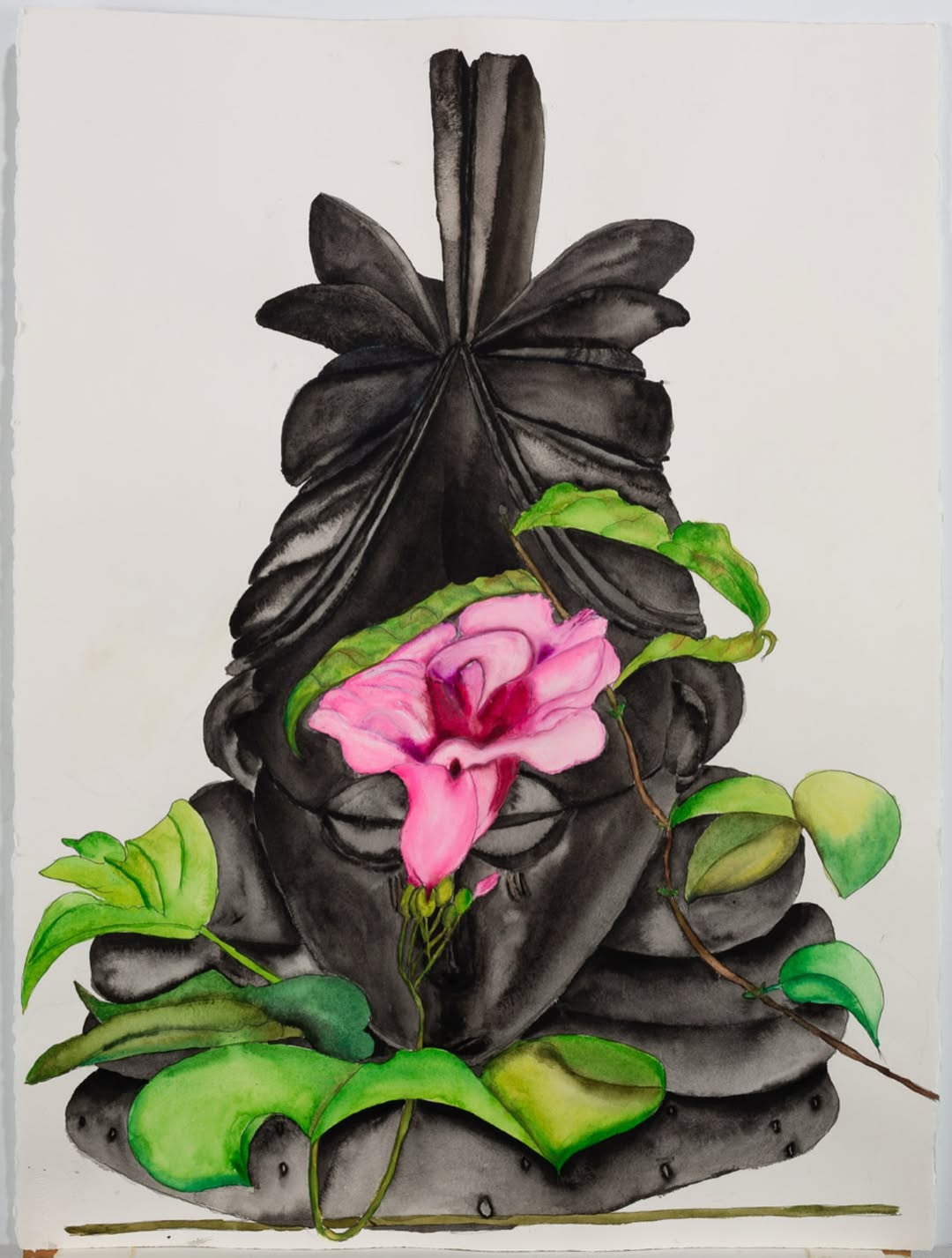
Zainab Sumu, Sowo III.I, 2025. Watercolour on paper.
The Bellafricana African Creatives Spotlight celebrates African creatives who are building with intention. Follow us on Instagram @bell_africana and never miss a story.
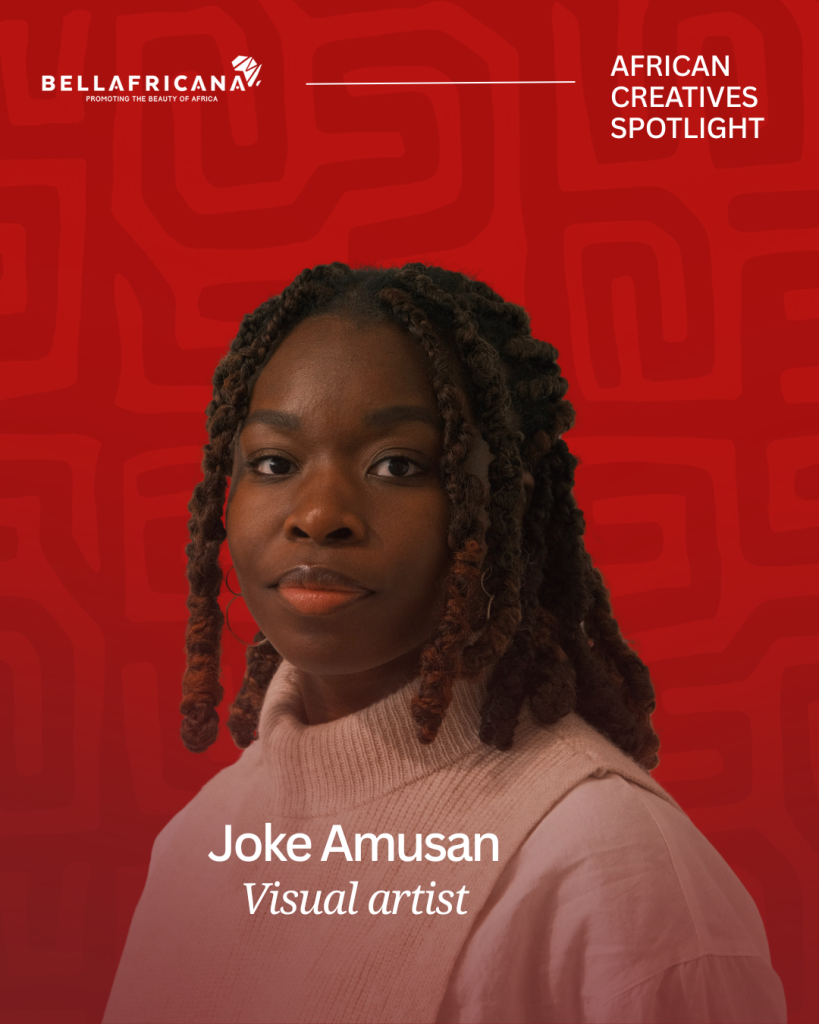
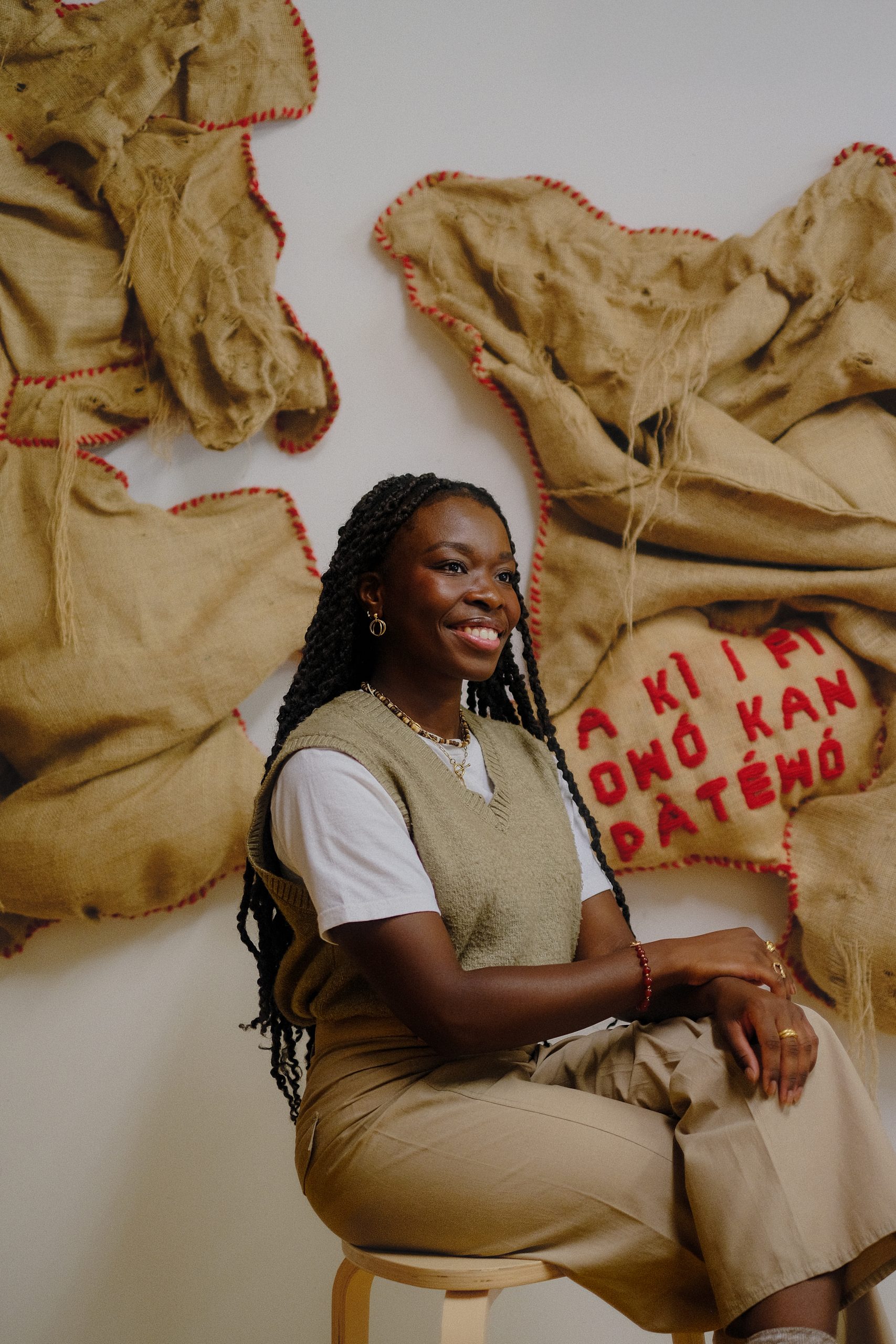
This edition of African Creatives Spotlight features Joke Amusan, a London-based visual artist, letting go of the belief that growth has to be loud. Her practice is built on quiet, steady work—the kind that lasts.
Born in Germany and now based in London, Joke is a visual artist whose work illuminates the experiences of Black womanhood. Through embroidery, installation, and sculpture, she explores identity, heritage, and migration, creating spaces where women share their stories and embrace their authentic selves.
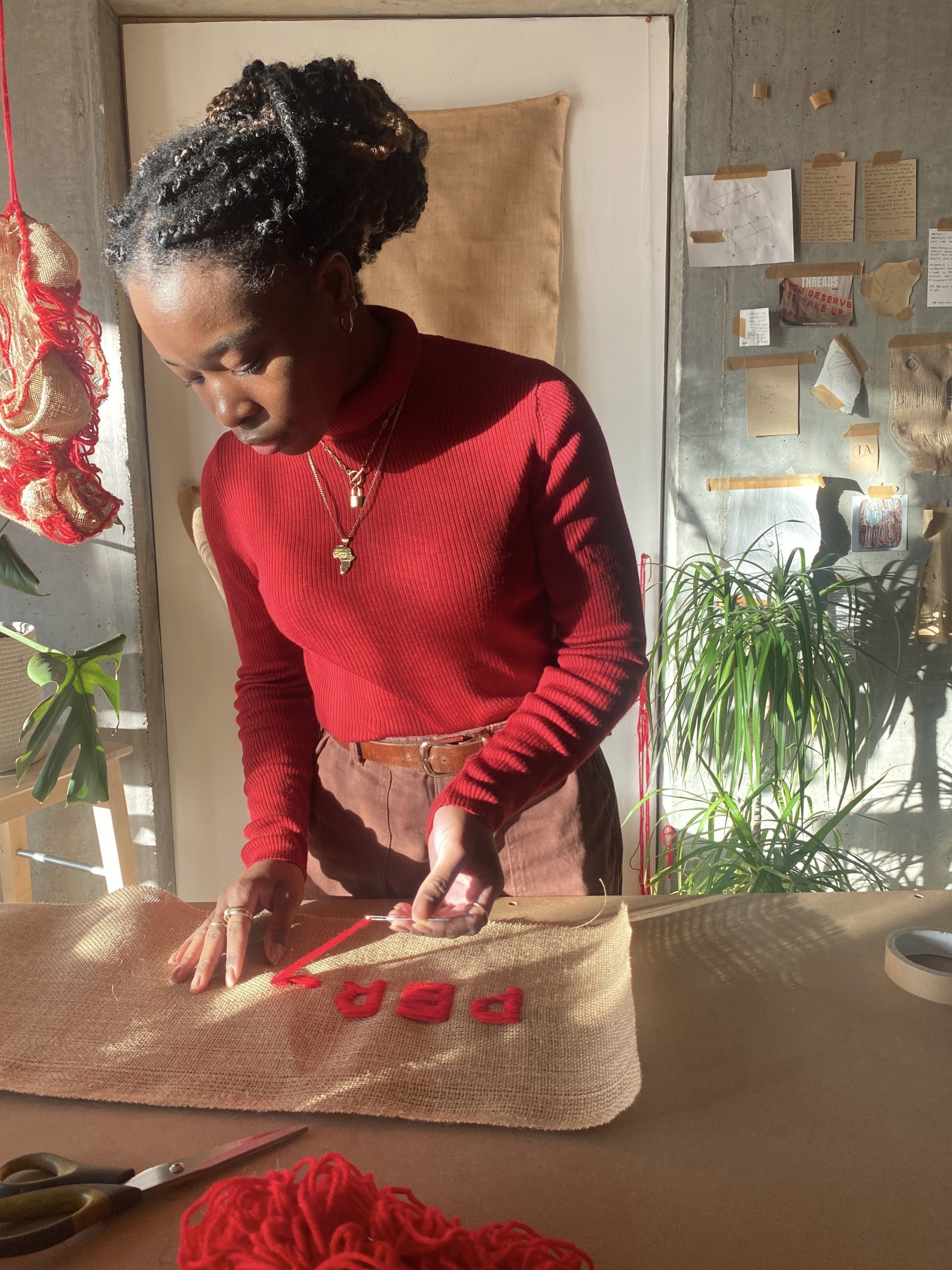
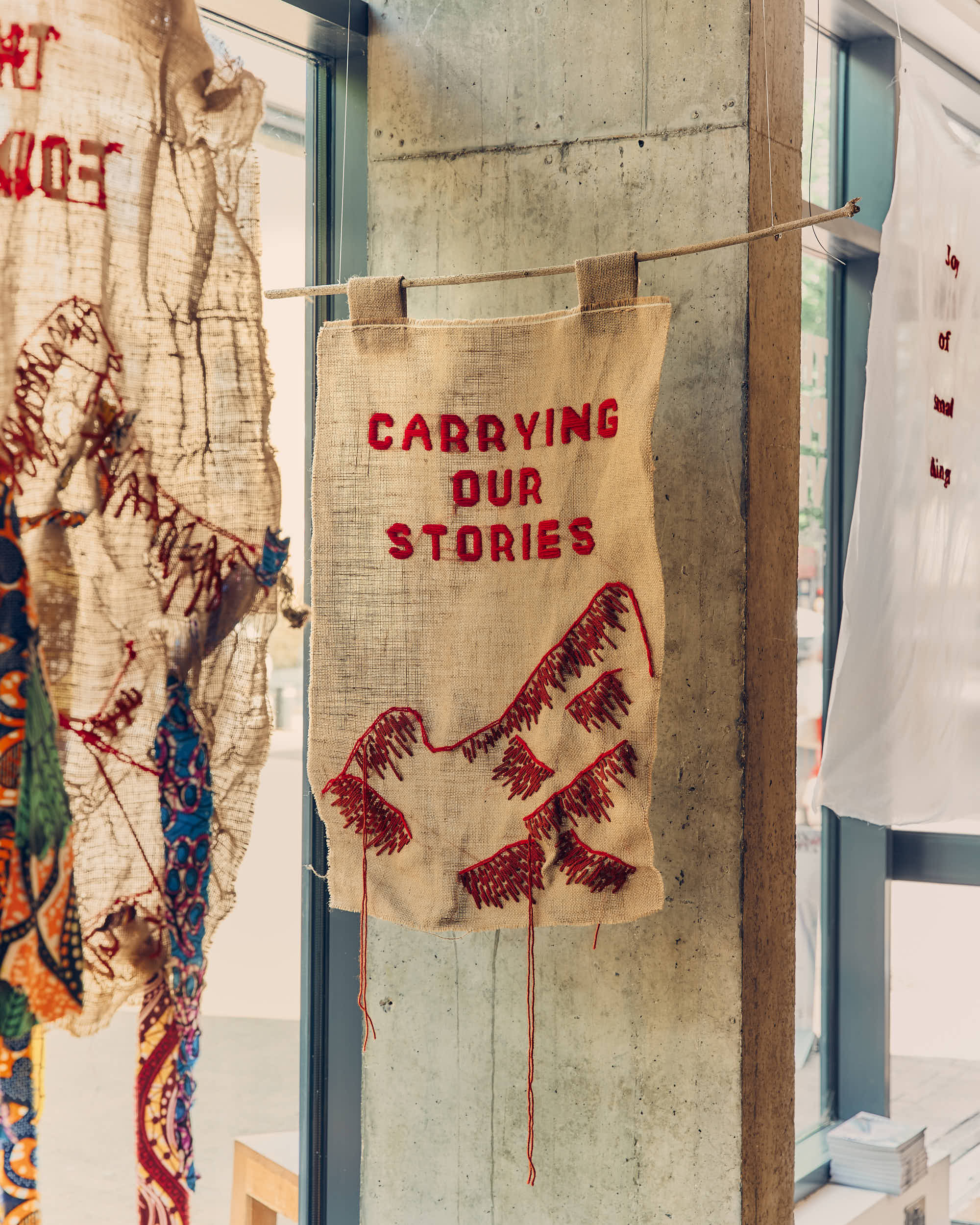
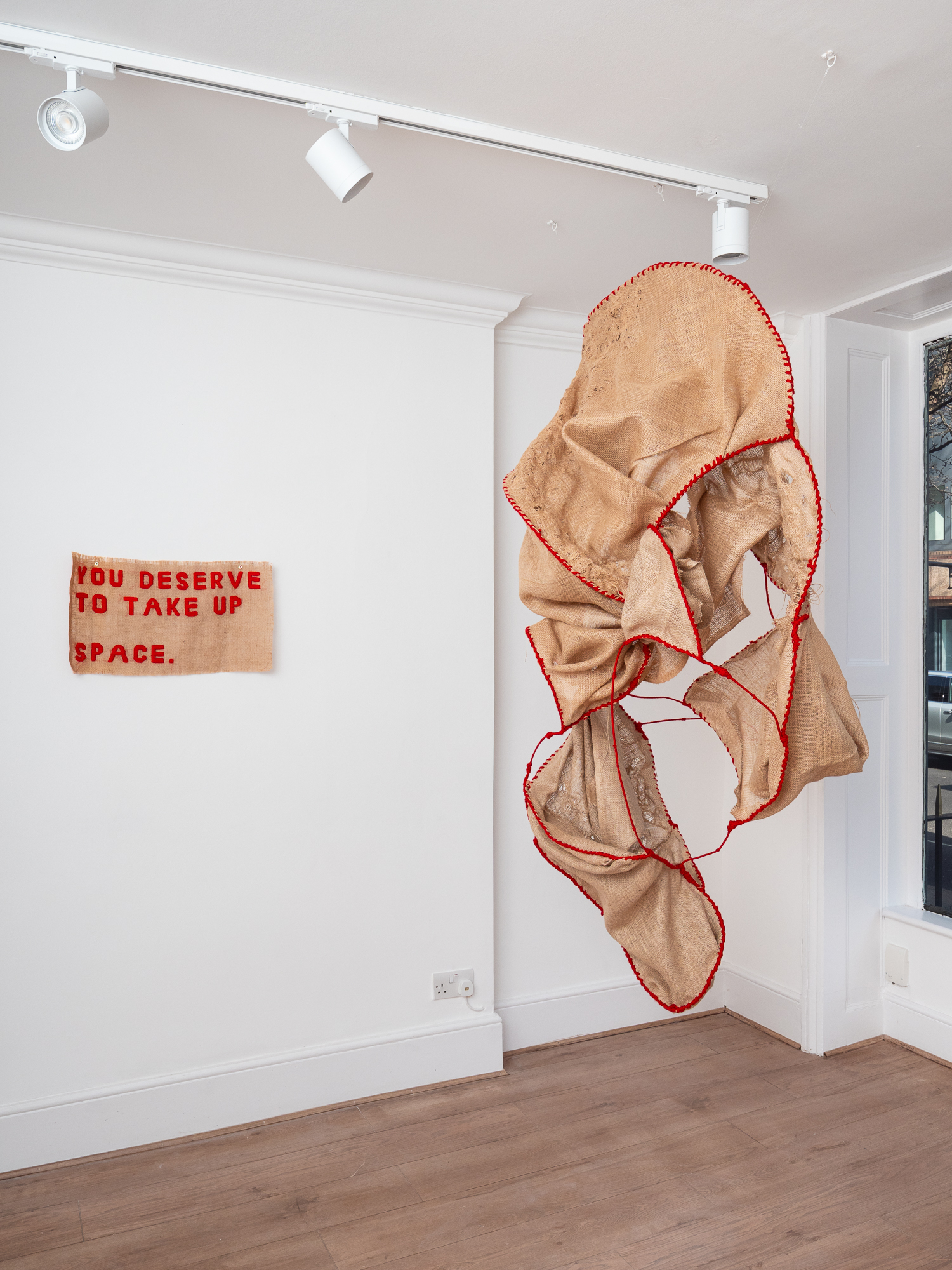
Her materials carry weight. Joke stitches powerful messages in bright red thread on hessian fabric. Phrases like “My very existence is defiance” and “You deserve to take up space.” The hessian rough cloth historically used for trade sacks, represents migration, endurance, and survival. Red thread symbolizes interconnectedness, blood, and gentle urgency. Each stitch becomes an act of repair, care, and healing.
Her work has been exhibited at Tate Modern, Tate Britain, The ICA, and the African Diaspora Art Museum of Atlanta. In 2025, she won the Thameslink Art Award and held solo exhibitions at TAFETA in London and MAIA in Birmingham. British Vogue and FAD Magazine have featured her work.
However, this year Joke isn’t chasing visibility. She’s planting seeds for longevity, building foundations, setting boundaries, and trusting the work that happens behind the scenes.
This conversation is part of our interview series, a series highlighting African creatives through interviews that tell their stories, share their perspectives, and amplify their voices. As the year begins, the focus is on reflection, where creatives are now, what the past year taught them, and what they’re building toward. Joke’s answers reveal a practice rooted in sustainability, community, and intentional growth.
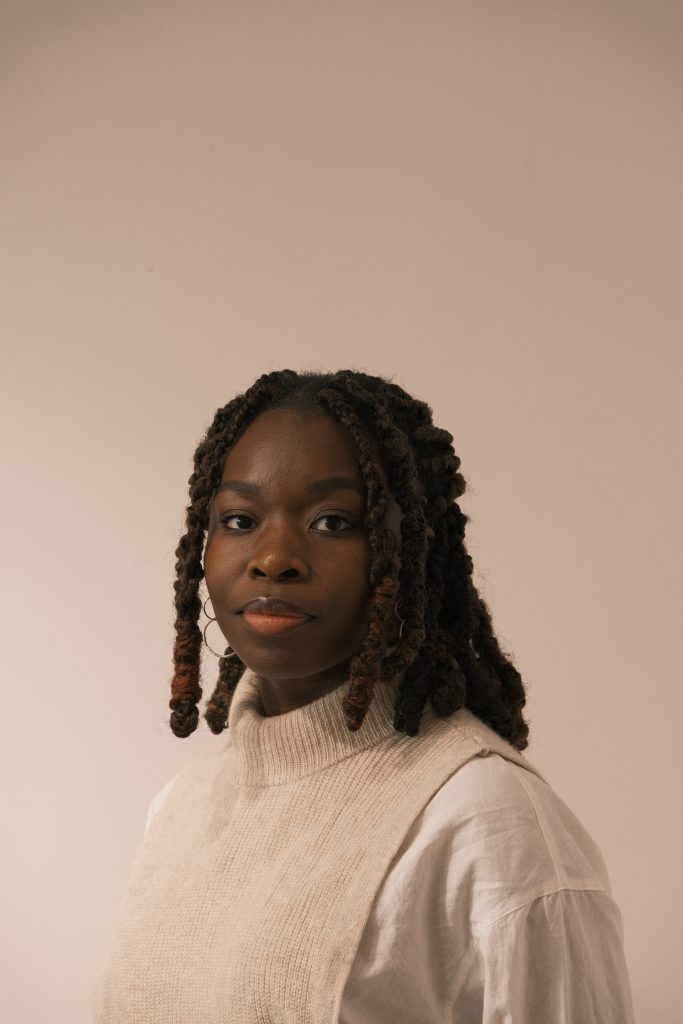
Joke Amusan, visual artist featured in African Creatives Spotlight. Photo by: [Lara Amusan]
African Creatives Spotlight: Introduce yourself. Your name, what you create, and where you’re based.
My name is Joke and I’m a visual artist based in London. My art practice illuminates the rich and multifaceted experiences of Black womanhood. Through my exploration of identity, heritage, and migration, I create installations and sculptures which challenge preconceived notions and perceptions. My art serves as a conversational bridge: inspiring women to come together, share their stories, and unapologetically embrace their authentic selves.
Describe this current season of your creative journey in one sentence.
I’ve been planting seeds for longevity by focusing on building strong foundations (creatively and in business), while nurturing the community around me.
Joke Amusan planting seeds for longevity in her London studio. Photo by: [Joke Amusan]
What did the past year teach you about yourself or your brand?
The past year taught me that I thrive when I prioritise sustainability and community, and that taking care of myself allows my creativity to flourish. The impact of my practice isn’t just in the final work, but in the in-between moments of building and collaborating.
Red thread on hessian – Joke Amusan’s signature materials. Photo by: [Milo Paris]
Was there a moment in the past year that changed how you approach your work?
Being close to burnout forced me to slow down, ask for help, and separate my self-worth from my output. It completely reshaped how I approach my practice. It reminded me that my creativity needs boundaries.
What are you being more intentional about right now, creatively or in business?
I’m being more intentional about the infrastructure behind my art, systems, support, and long-term vision. As I explore more materials and learn more about my heritage, I want to ensure that every choice I make honors both my creative curiosity and the integrity of my practice. This way, every step I take (both creatively and professionally) feels purposeful and connected to the bigger picture of my practice.
Joke Amusan’s work honors both creative curiosity and practice integrity. Photo: [TAFETA by Pedro Lima]
What are you letting go of so you can aim higher and create better this year?
I’m letting go of the belief that growth has to be loud or visible to be meaningful. I’m learning to trust the quiet, steady work behind the scenes, knowing it shapes my practice in ways that last.
What bold reminder or insight would you give creatives to push boundaries and dream bigger this year?
Build strong foundations, trust your vision, and use your “why” as a guide.
Remember that you don’t have to do it all on your own – be part of, or build, a community where you’re supportive of each other.
Describe your mindset for this year in one word or short phrase.
Expansive, but anchored.
Photo by: Lara Amusan
Joke Amusan isn’t chasing loud growth. She’s building a practice that lasts, one rooted in boundaries, community, and the quiet work that shapes everything. Her red thread stitches more than messages on fabric. It stitches together care, repair, and the belief that creative work doesn’t have to burn you out to matter.
If you’re a creative feeling the pressure to constantly produce, constantly be visible, constantly grow louder, Joke’s reminder is this: the quiet work counts. The infrastructure you build behind the scenes matters. And growth that’s sustainable will always outlast growth that’s simply loud.
Want to stay inspired as we spotlight African creatives? Follow us on Instagram @bell_africana and turn on notifications so you never miss a conversation.
We use cookies on our website to give you the most relevant experience by remembering your preferences and repeat visits. By clicking “Accept”, you consent to the use of ALL the cookies.
This website uses cookies to improve your experience while you navigate through the website. Out of these, the cookies that are categorized as necessary are stored on your browser as they are essential for the working of basic functionalities of the website. We also use third-party cookies that help us analyze and understand how you use this website. These cookies will be stored in your browser only with your consent. You also have the option to opt-out of these cookies. But opting out of some of these cookies may affect your browsing experience.
Necessary cookies are absolutely essential for the website to function properly. These cookies ensure basic functionalities and security features of the website, anonymously.
Cookie
Duration
Description
cookielawinfo-checbox-analytics
11 months
This cookie is set by GDPR Cookie Consent plugin. The cookie is used to store the user consent for the cookies in the category "Analytics".
cookielawinfo-checbox-functional
11 months
The cookie is set by GDPR cookie consent to record the user consent for the cookies in the category "Functional".
cookielawinfo-checbox-others
11 months
This cookie is set by GDPR Cookie Consent plugin. The cookie is used to store the user consent for the cookies in the category "Other.
cookielawinfo-checkbox-necessary
11 months
This cookie is set by GDPR Cookie Consent plugin. The cookies is used to store the user consent for the cookies in the category "Necessary".
cookielawinfo-checkbox-performance
11 months
This cookie is set by GDPR Cookie Consent plugin. The cookie is used to store the user consent for the cookies in the category "Performance".
viewed_cookie_policy
11 months
The cookie is set by the GDPR Cookie Consent plugin and is used to store whether or not user has consented to the use of cookies. It does not store any personal data.
Functional cookies help to perform certain functionalities like sharing the content of the website on social media platforms, collect feedbacks, and other third-party features.
Performance cookies are used to understand and analyze the key performance indexes of the website which helps in delivering a better user experience for the visitors.
Analytical cookies are used to understand how visitors interact with the website. These cookies help provide information on metrics the number of visitors, bounce rate, traffic source, etc.
Advertisement cookies are used to provide visitors with relevant ads and marketing campaigns. These cookies track visitors across websites and collect information to provide customized ads.