[dropcap custom_class=”normal”] Count down to the New Year. New year tradition varies from country to country, celebrations begin on the evening of December 31—New Year’s Eve—and continue into the early hours of January 1. In many cultures, the event is celebrated in different ways. [/dropcap]
[dropcap custom_class=”normal”]The recognized capital of Gonja cloth making is Daboya, one of the oldest settlements in Ghana. Gonja cloth is made with cotton cloth strips of about four inches wide, joined together to make a large piece of cloth. [/dropcap]Continue reading
[dropcap custom_class=”normal”] Situated at the geographical North-Eastern part of Nigeria, Bauchi State remains the best tourism haven with a warm and hospitable weather as well as over 15 different destinations that rightly earned it the slogan as ‘The Pearl of Africa’s Tourism’. [/dropcap]Continue reading
[dropcap custom_class=”normal”]Mount Patti is a massive hill that towers over Lokoja. It has a plateau that measures approximately fifteen square kilometres, from which one can see the confluence point of Rivers Niger and Benue. Patti is a Nupe native name for a “hill” Hence the famous mountain towering about 452.3M above sea level over the city of Lokoja once provided refuge sites for natives has come to be known as Mount Patti as it was first referred to by early European visitors. [/dropcap]Continue reading
[dropcap custom_class=”normal”]The main town on the island of the same name just off Kenya’s northeastern coast, tranquil Lamu was founded in the 14th century, making it the country’s oldest living town and the best-preserved Swahili settlement in East Africa. Lamu Museum (with its prized siwa horns) and the two-centuries-old Lamu Fort are two of the main attractions. The restored Swahili House Museum is small but quite interesting. About a 30-minute walk north of town, white sandy Shela Beach is one of the island’s best. [/dropcap]Continue reading
[dropcap custom_class=”normal”] The French bazaar was held on the 6th of December in Lagos. Most artisans came from different states in Nigeria to exhibit varieties of products; hand made jam, arts, crafts, sculptures, scented candles, unique gift items and many more. Bellafricana was amongst the artisans, as always, I saved you some interesting pictures.. [/dropcap]
[dropcap custom_class=”normal”] I’ve enjoyed writing many posts about the things I like and love about Nigeria as well as providing insight on subjects based off of my experience. This post however is going to cover a subject I don’t like about Nigeria; The Famous Lagos Traffic. There have been so many things that have happened to me or that I have witnessed in my years of riding through Lagos. And the only word that comes to mind to really put it all in perspective is ‘Insanity’. [/dropcap]Continue reading
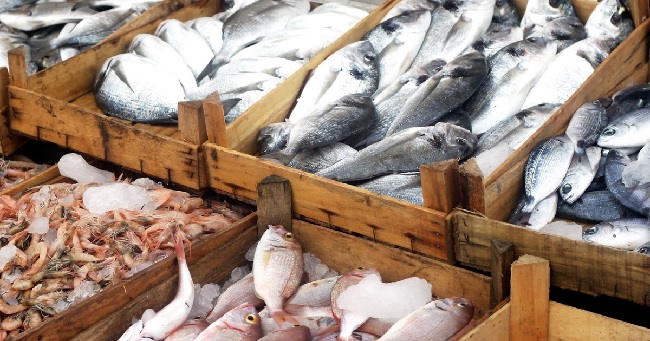
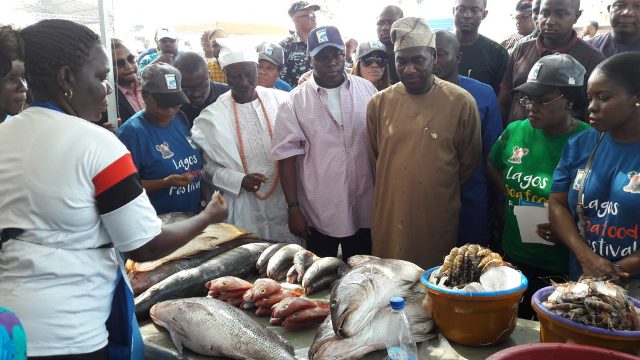
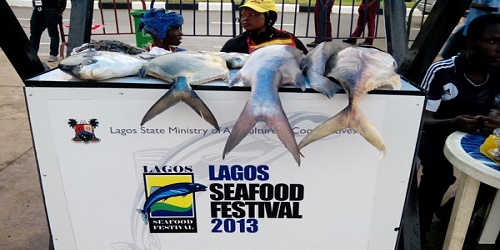
The Seafood festival Lagos, Nigeria. The beach is a place to be and this is not only for the eternal view of the sea but also for the display of varieties of fishes in different ways on this day. Fish lovers and visitors from Lagos and from other parts of Nigeria came down to have a good time and enjoy the best of fishes gotten by Lagos fishermen.
Lagos fishermen had stands apportioned to them with fresh fishes, smoked fishes and all things marine on display. Maltina and Maggi brands as official sponsors of the day set the atmosphere up for interesting performances for the audience. So with enough fishes to eat and take home, music to dance to and the pepper soup competition which had three contestant winners take home the prize money, it was fun all the way.
Looking at seafood through a glass case and pointing to what you want is a hit-or-miss method for buying seafood. You need to see it close-up, touch it and smell it. Look for the following characteristics:
Seafood should smell like the sea, this is the first step in determining the freshness. Close your eyes and imagine you’re on a beach with a gentle breeze blowing. You can smell the salty air and maybe a hint of seaweed. This is how your fish should smell. If you take a whiff and it makes your nose wrinkle or you think it smells ‘fishy’, it’s probably old. The smell won’t improve with cooking.
For the investors and the fishermen cooperatives that took stands and displayed their fishes for recognition, it was a win for them. Several fishermen cooperatives were thankful for the initiative of the state government in bringing about this sea food festival. Many sold their batch of fishes and had to go fish for more to sell. Many gave their contacts out to customers who were willing to keep contacting them after the festival.
If buying a whole fish, the eyes should be clear and bright and the skin should be shiny and moist with no discoloration (this also goes for fillets with the skin intact). If possible, touch the flesh of the fish; it should be resilient. If an indentation from your finger remains, choose something else. Fresh fish should be stored in the coldest part of your refrigerator (away from lights and the door). It is best if eaten as soon as possible after purchasing it. If you buy it today, eat it today or tomorrow at the latest. If your schedule fluctuates such that you never know when you’ll be home to cook, buy frozen fish. Most seafood is flash-frozen very soon after it’s been cleaned, and as long as it stays frozen there will be very little degradation in quality and flavour.
Gabriel Olufemi, a fishermen cooperative representative from Badagry had this to say about the seafood festival: “It is a good development for us and it presents our trade to the world. Lagos fishermen get to know themselves too so that we all can work together to move our trade forward. We’ve been selling our fishes since morning to the extent that we had to bring more for those who keep requesting. We are grateful to our government for this festival. We wouldn’t limit our work anymore now that Lagos and the world are aware of us.”
[dropcap custom_class=”normal”] Lost in Lagos hosted a lifestyle event on the 29th and 30th of November where various artisans exhibited. I hope you were able to make it, if not I saved you some pictures as always. [/dropcap] Continue reading
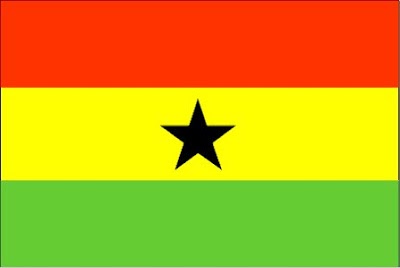
Here are some facts about Ghana. The name Ghana was adopted from the ancient West African kingdom of Ghana which flourished between 750 and 1068AD and was located in what is now southern Mauritania and western Mali. It is believed that the Akan of modern day Ghana originally came from the area of this ancient empire.
Lake Volta in the centre of Ghana is the largest man-made lake in the world. The lake covers 45% of the Ghana’s total land area.
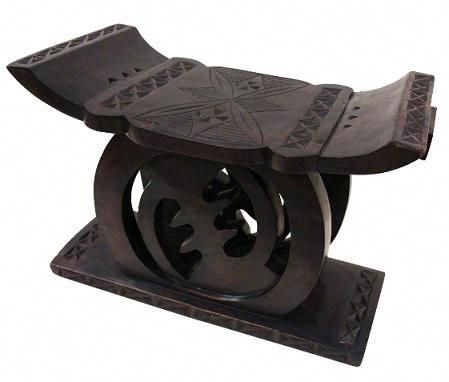
The Asantehene is the traditional rule of the Ashanti people and the most prominent traditional ruler in Ghana. The Asantehene rules from Kumasi in the central Ghana and his power is symbolized by the golden stool
ashanti-gye-nyame-sitting-stool
(sikadwa).
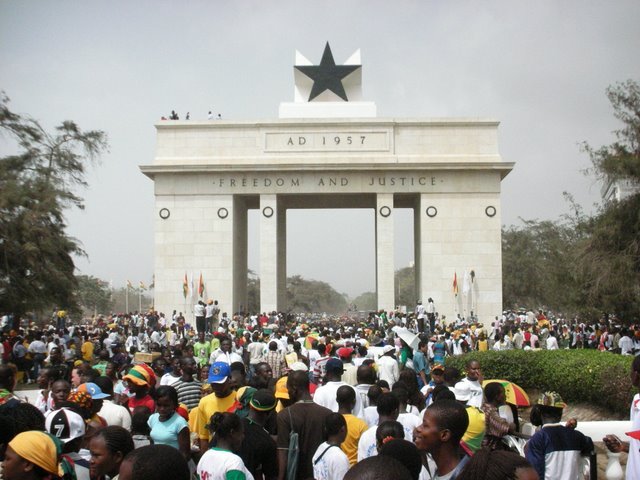
Ghana was the first colonized country sub-saharan African to win back its independence, doing so in 1957. The first Prime Minister of Ghana was Kwame Nkrumah, who is particularly remembered for his fight against colonialism and as a founder leader of the Organisation of African Unity (OAU).
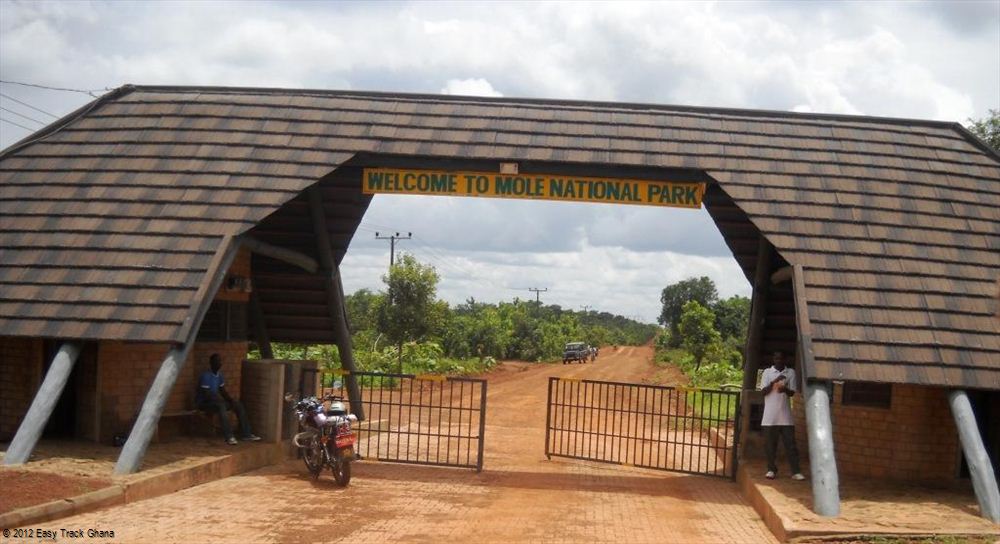
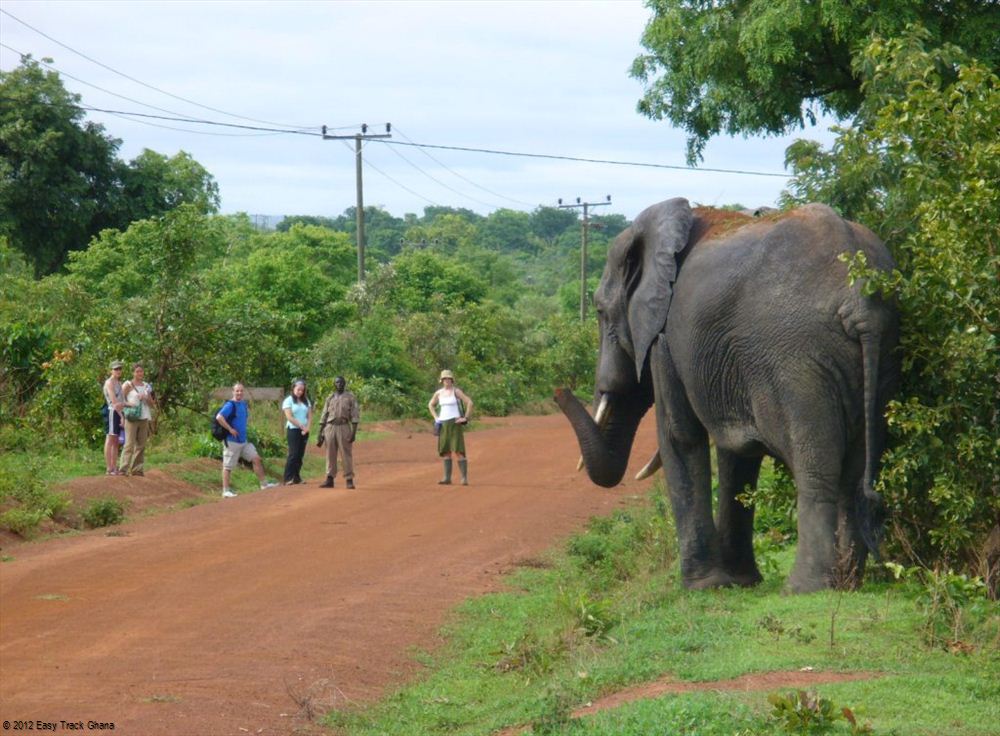
Ghana largest national park is the Mole National Park which covers 4660 square km. It lies in the Northern region of Ghana and is home to over 30 different species of mammals including Elephants, Hyenas, Antelopes, Buffalo and various primates.
Ghana is made up of ten regions, These are Ashanti, Brong-Ahafo, Central, Eastern, Greater Accra, Northern, Volta, Western, Upper East, Upper West. The most populous region is the Ashanti region in the centre of Ghana and the least populous is the Upper West in the north.
Ghana’s major cities are Accra the capital and largest city, the historic city of Kumasi the capital of the Ashanti region, Cape Coast the old colonial capital of Ghana, Sekondi-Takoradi an important seaport and industrial centre, Tamale the main administrative centre of the north of Ghana and Koforidua another historic Ashanti town.
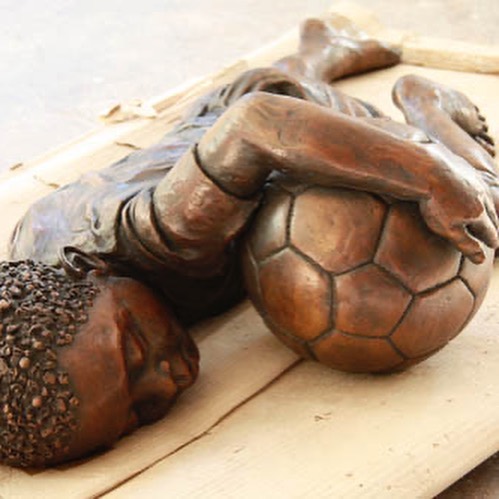
Another fact about Ghana is that they have been one of Africa’s prominent footballing nations having won the African cup of nations four times (1963, 1965, 1978 and 1982) and reached the World Cup second round on their first appearance in 2006. Famous Ghanaian footballers include Michael Essien, Abedi Pele, Abdul Razak, Samuel Kuffour, Tony Yeboah and Robert Mensah.
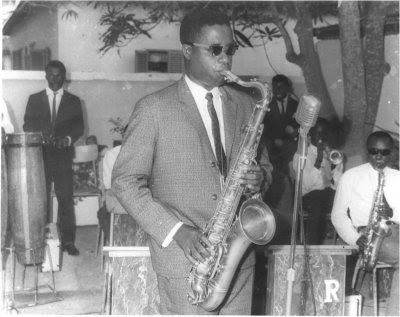
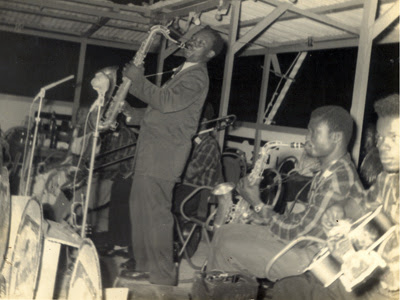
Ghana is considered to be one of the homes of Highlife, a genre of music that was extremely popular in the English speaking West Africa. Popular proponents of the music from Ghana included E.T Mensah, Jerry Hansen and Osibisa amongst others.
Jerry HansenE.T. MENSAH
Ghana is one of the major producer of gold in the world and the gold mines in Obuasi in Ashanti region are some of the largest in the world, every day about half a million dollars worth of gold is brought to the surface.
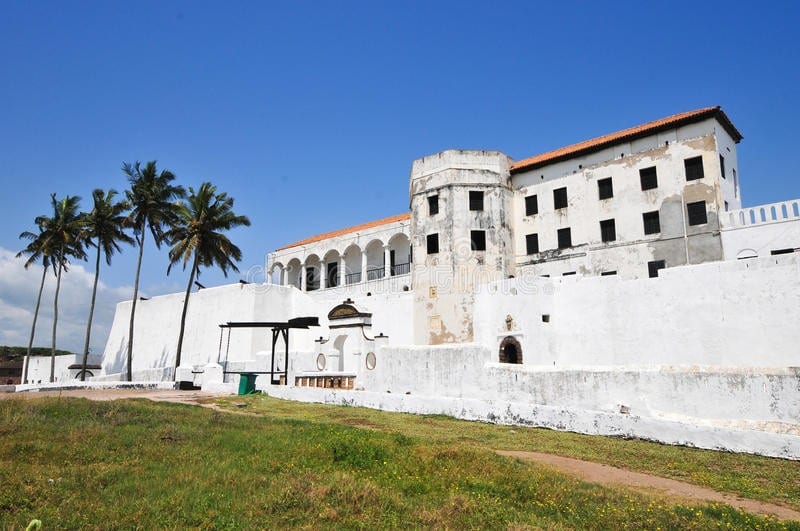
Elmina Castle, Ghana
Ghana boasts the title of being the country within sub-Saharan Africa to own the oldest European building called the Elmina Castle. Built in 1482 by the Portuguese, Elmina Castle is situated on the Atlantic shores, particularly in the central region. The name Elmina means the “mines of gold” in Portuguese due to the abundant supply of gold found along the Ghana’s modern day coast
We use cookies on our website to give you the most relevant experience by remembering your preferences and repeat visits. By clicking “Accept”, you consent to the use of ALL the cookies.
This website uses cookies to improve your experience while you navigate through the website. Out of these, the cookies that are categorized as necessary are stored on your browser as they are essential for the working of basic functionalities of the website. We also use third-party cookies that help us analyze and understand how you use this website. These cookies will be stored in your browser only with your consent. You also have the option to opt-out of these cookies. But opting out of some of these cookies may affect your browsing experience.
Necessary cookies are absolutely essential for the website to function properly. These cookies ensure basic functionalities and security features of the website, anonymously.
Cookie
Duration
Description
cookielawinfo-checbox-analytics
11 months
This cookie is set by GDPR Cookie Consent plugin. The cookie is used to store the user consent for the cookies in the category "Analytics".
cookielawinfo-checbox-functional
11 months
The cookie is set by GDPR cookie consent to record the user consent for the cookies in the category "Functional".
cookielawinfo-checbox-others
11 months
This cookie is set by GDPR Cookie Consent plugin. The cookie is used to store the user consent for the cookies in the category "Other.
cookielawinfo-checkbox-necessary
11 months
This cookie is set by GDPR Cookie Consent plugin. The cookies is used to store the user consent for the cookies in the category "Necessary".
cookielawinfo-checkbox-performance
11 months
This cookie is set by GDPR Cookie Consent plugin. The cookie is used to store the user consent for the cookies in the category "Performance".
viewed_cookie_policy
11 months
The cookie is set by the GDPR Cookie Consent plugin and is used to store whether or not user has consented to the use of cookies. It does not store any personal data.
Functional cookies help to perform certain functionalities like sharing the content of the website on social media platforms, collect feedbacks, and other third-party features.
Performance cookies are used to understand and analyze the key performance indexes of the website which helps in delivering a better user experience for the visitors.
Analytical cookies are used to understand how visitors interact with the website. These cookies help provide information on metrics the number of visitors, bounce rate, traffic source, etc.
Advertisement cookies are used to provide visitors with relevant ads and marketing campaigns. These cookies track visitors across websites and collect information to provide customized ads.