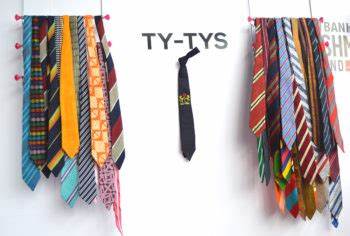
[dropcap custom_class=”normal”]The recognized capital of Gonja cloth making is Daboya, one of the oldest settlements in Ghana. Gonja cloth is made with cotton cloth strips of about four inches wide, joined together to make a large piece of cloth. [/dropcap]Continue reading
Aso-Oke Inspired Tie By Ty-Tys
Aso-oke has in recent times become more versatile in its use and is no longer limited to its traditional uses. The cloth is fast evolving into the fabric of choice for cutting edge fashion and trendy accessories in different countries and world regions.
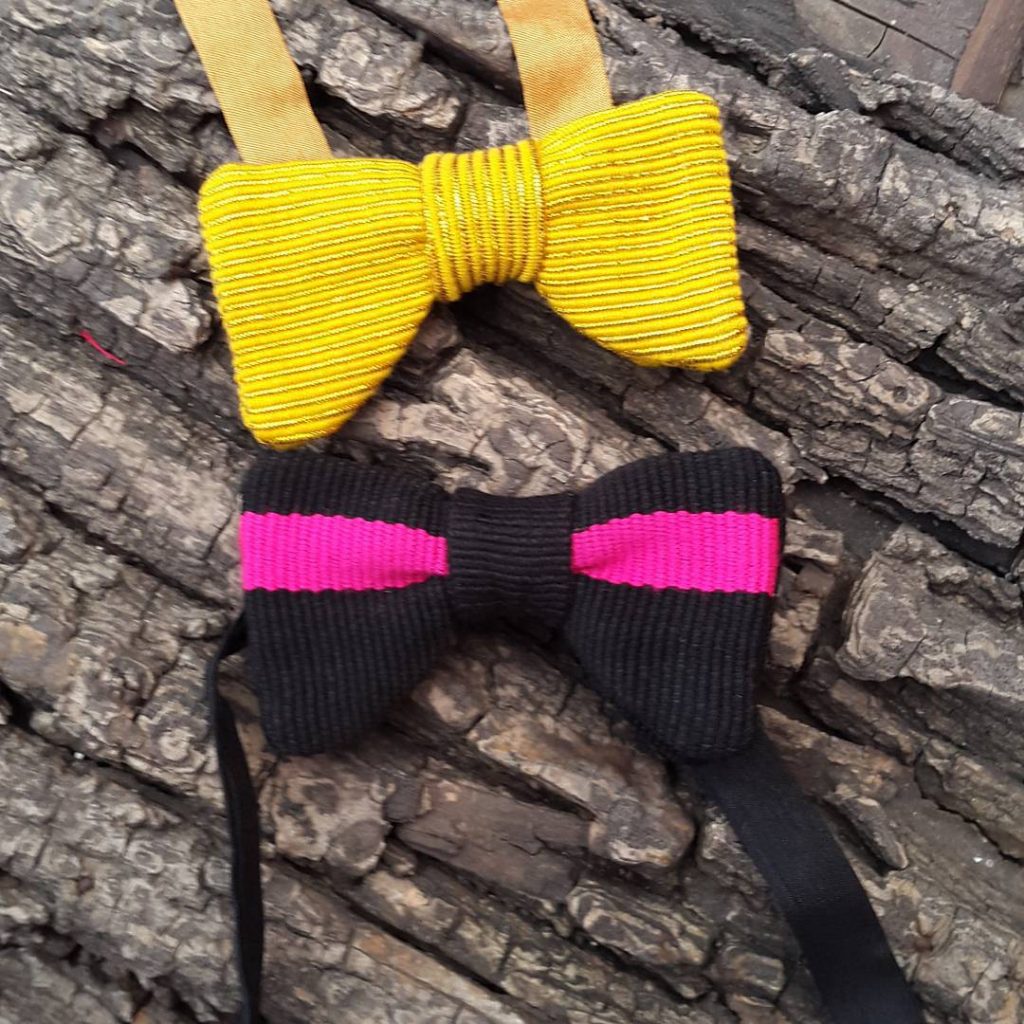
Ademiluyi did something creative with neckties! Instead of cotton or usual silk materials that ties are often made of, he decided to make ‘Aso-oke neckties’, a hand loomed cloth intricately woven predominantly by the Yoruba people, using techniques that were developed centuries ago and passed down through generations.
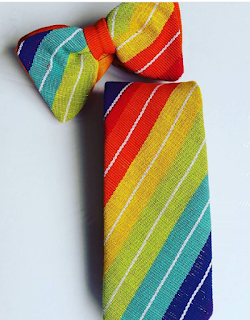
The Yoruba people are from Southwest Nigeria. With a population of over 30million, they are also found in many West African countries and diasporic communities all over the world. The Yoruba people wear Aso-oke fabrics sewn in traditional styles on special occasions such as weddings, birthdays or christenings. Ty-tys neckwear is hand made and can be customized to meet your needs.
Source: http://kemiogunniyi.wordpress.com/2012/08/06/fashion/
https://mariamtijani.com/aso-oke-trend-vibrant-stripes-season/
https://www.kemimobuse.com/2017/09/i-am-lawyer-by-profession-and-i-make.html
To reach Ty-Tys, call +234 805 054 0564 or email [email protected] or visit www.ty-tys.com

A Typical Yoruba Wedding Attire
Bride and Groom Attire
[dropcap custom_class=”normal”] In a typical Yoruba marriage, Aso-Oke is fabric of choice. It is the Yoruba ceremonial cloth. It is considered the pinnacle of all fabrics for Yoruba people on occasions like weddings, birthdays, celebrations of life of deceased parents, chieftaincy title ceremonies, and any other important commemorations.[/dropcap]
This Aso-Oke is hand woven with special thread that has been soaked in home-made dye. That was before this age of new technology. The three main colours of Aso-Oke fabrics are:
- Al’aari: rich maroon
- Etu: navy blue
- Sanyan: very light brown with strips of cream
An East African Fabric Called Kitenge
[dropcap custom_class=”normal”]Kitenge is an East African cotton fabric printed in various colours and distinctive patterns. It has its origin from Kiswahili kitengele. Kitenge is sometimes worn as sarong by women, or as a baby sling. Some of the African countries where kitenge is worn are Uganda, Tanzania, Kenya, and Sudan. It is an informal and inexpensive fabric with a distinctive border and political slogans.[/dropcap]
In Swahili the plural form is ‘vitenge’ while in Tonga it is ‘zitenge’. It forms an important part of the East African culture. Kitenge fabric has a long history and gives the Eastern African region an identity. Beyonce, Gwen Stefani, Kim Kardashian and Solange are some of the celebrities that have been spotted on the red carpet wearing Kitenge designs.
In Kenya the Kitenge festival is a popular event held periodically and is meant to highlight the varied uses of Kitenge fabric. This vibrant cotton fabric is wax printed, using rotary printing machines. Most often it’s a multicolored, dark wax print on a lighter background. The printing on the cloth is done by a traditional batik technique.Continue reading