
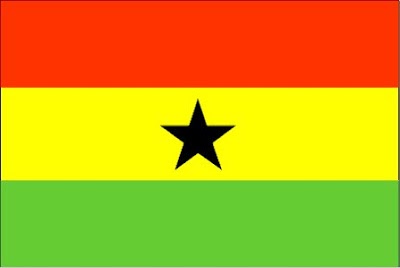
Here are some facts about Ghana. The name Ghana was adopted from the ancient West African kingdom of Ghana which flourished between 750 and 1068AD and was located in what is now southern Mauritania and western Mali. It is believed that the Akan of modern day Ghana originally came from the area of this ancient empire.
Lake Volta in the centre of Ghana is the largest man-made lake in the world. The lake covers 45% of the Ghana’s total land area.
The Asantehene is the traditional rule of the Ashanti people and the most prominent traditional ruler in Ghana. The Asantehene rules from Kumasi in the central Ghana and his power is symbolized by the golden stool
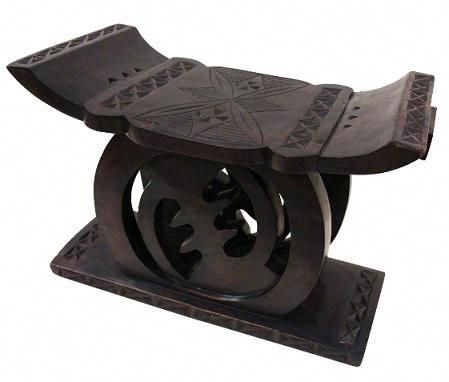
(sikadwa).
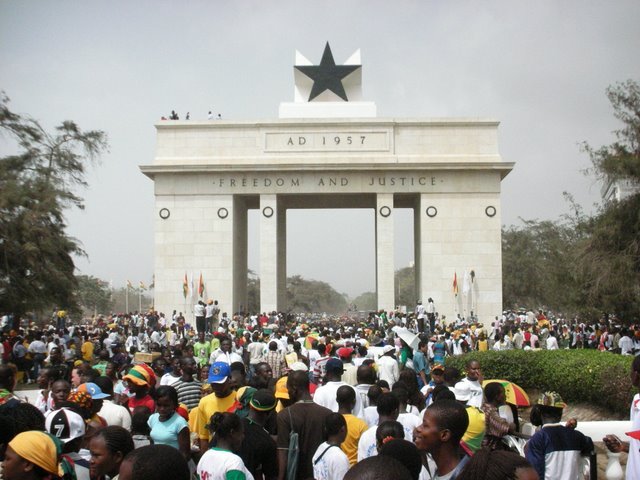
Ghana was the first colonized country sub-saharan African to win back its independence, doing so in 1957. The first Prime Minister of Ghana was Kwame Nkrumah, who is particularly remembered for his fight against colonialism and as a founder leader of the Organisation of African Unity (OAU).
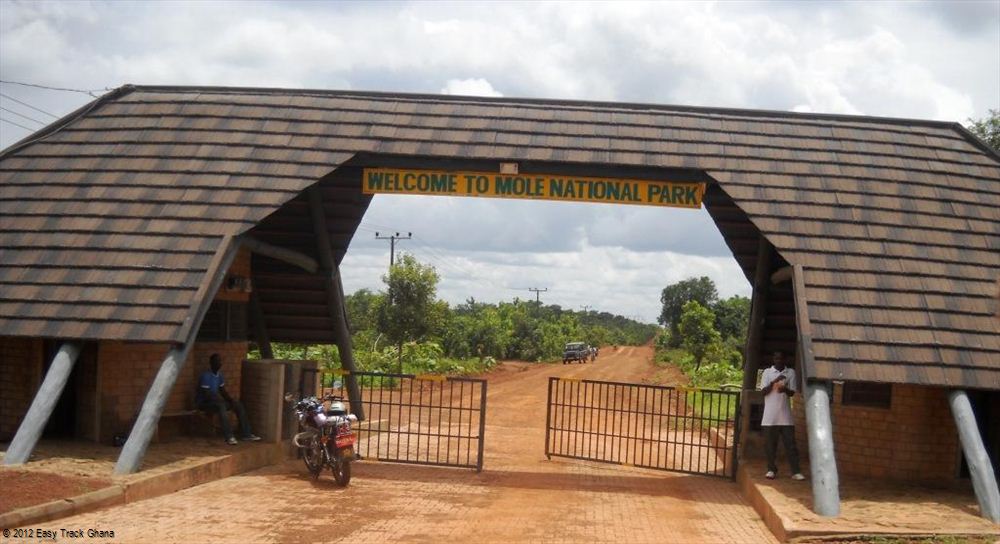
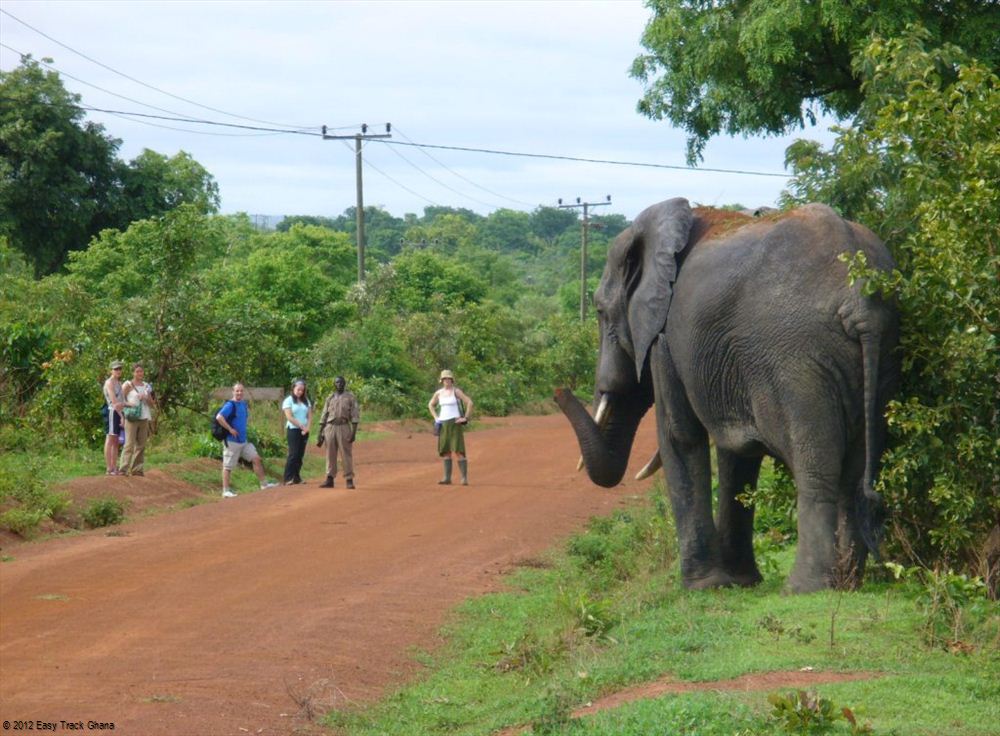
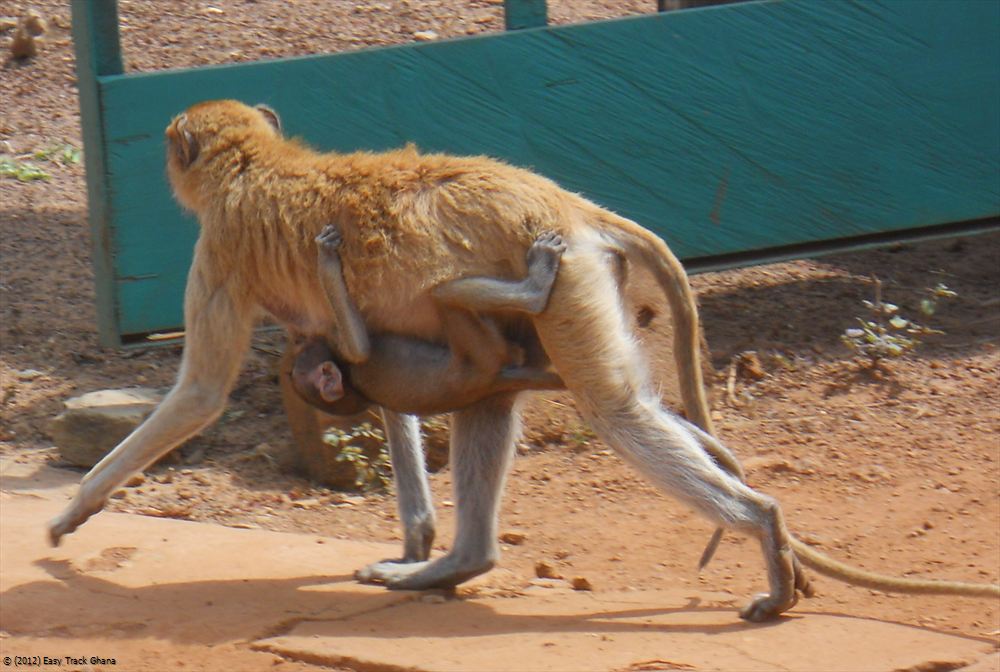
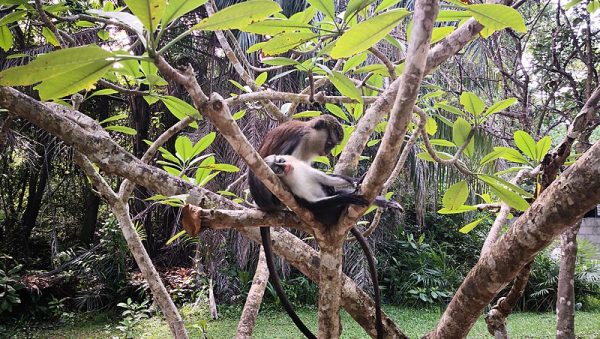
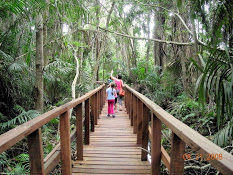
Ghana largest national park is the Mole National Park which covers 4660 square km. It lies in the Northern region of Ghana and is home to over 30 different species of mammals including Elephants, Hyenas, Antelopes, Buffalo and various primates.
Ghana is made up of ten regions, These are Ashanti, Brong-Ahafo, Central, Eastern, Greater Accra, Northern, Volta, Western, Upper East, Upper West. The most populous region is the Ashanti region in the centre of Ghana and the least populous is the Upper West in the north.
Ghana’s major cities are Accra the capital and largest city, the historic city of Kumasi the capital of the Ashanti region, Cape Coast the old colonial capital of Ghana, Sekondi-Takoradi an important seaport and industrial centre, Tamale the main administrative centre of the north of Ghana and Koforidua another historic Ashanti town.
Another fact about Ghana is that they have been one of Africa’s prominent footballing nations having won the African cup of nations four times (1963, 1965, 1978 and 1982) and reached the World Cup second round on their first appearance in 2006. Famous Ghanaian footballers include Michael Essien, Abedi Pele, Abdul Razak, Samuel Kuffour, Tony Yeboah and Robert Mensah.
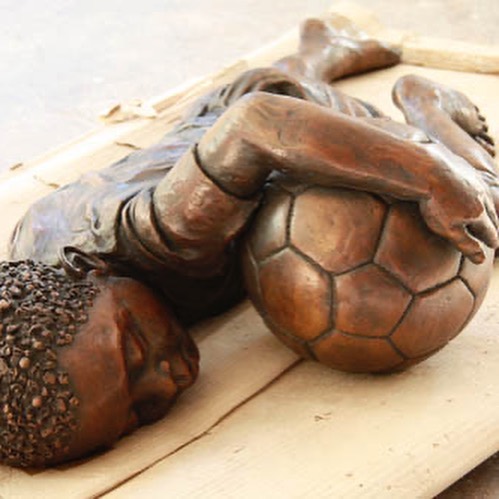
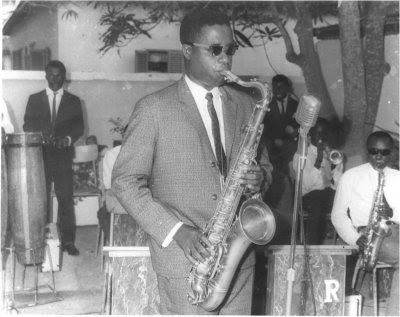
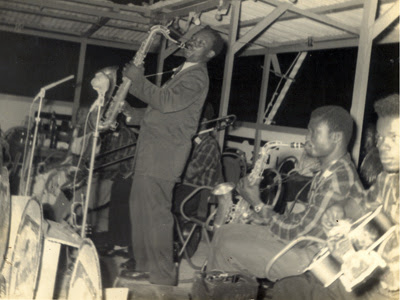
Ghana is considered to be one of the homes of Highlife, a genre of music that was extremely popular in the English speaking West Africa. Popular proponents of the music from Ghana included E.T Mensah, Jerry Hansen and Osibisa amongst others.
Ghana is one of the major producer of gold in the world and the gold mines in Obuasi in Ashanti region are some of the largest in the world, every day about half a million dollars worth of gold is brought to the surface.
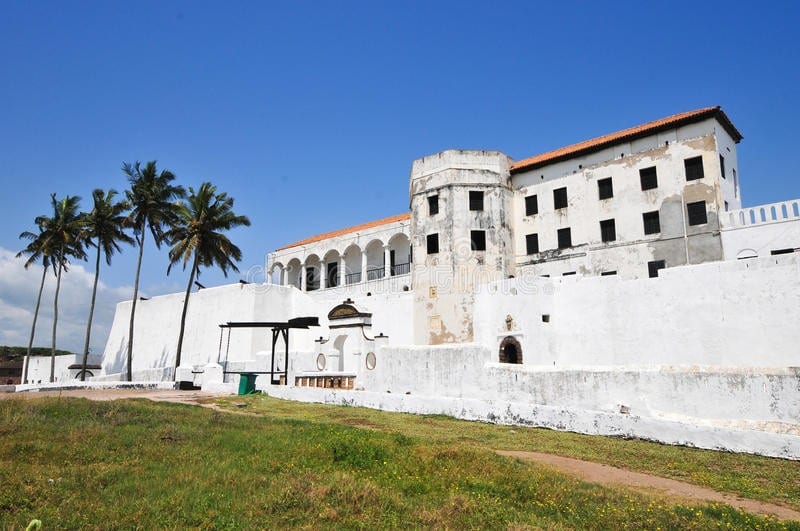
Ghana boasts the title of being the country within sub-Saharan Africa to own the oldest European building called the Elmina Castle. Built in 1482 by the Portuguese, Elmina Castle is situated on the Atlantic shores, particularly in the central region. The name Elmina means the “mines of gold” in Portuguese due to the abundant supply of gold found along the Ghana’s modern day coast
Source: http://tours42plus.com
Pictures: Mole National Park – Ghana’s Largest Wildlife Park (easytrackghana.com)

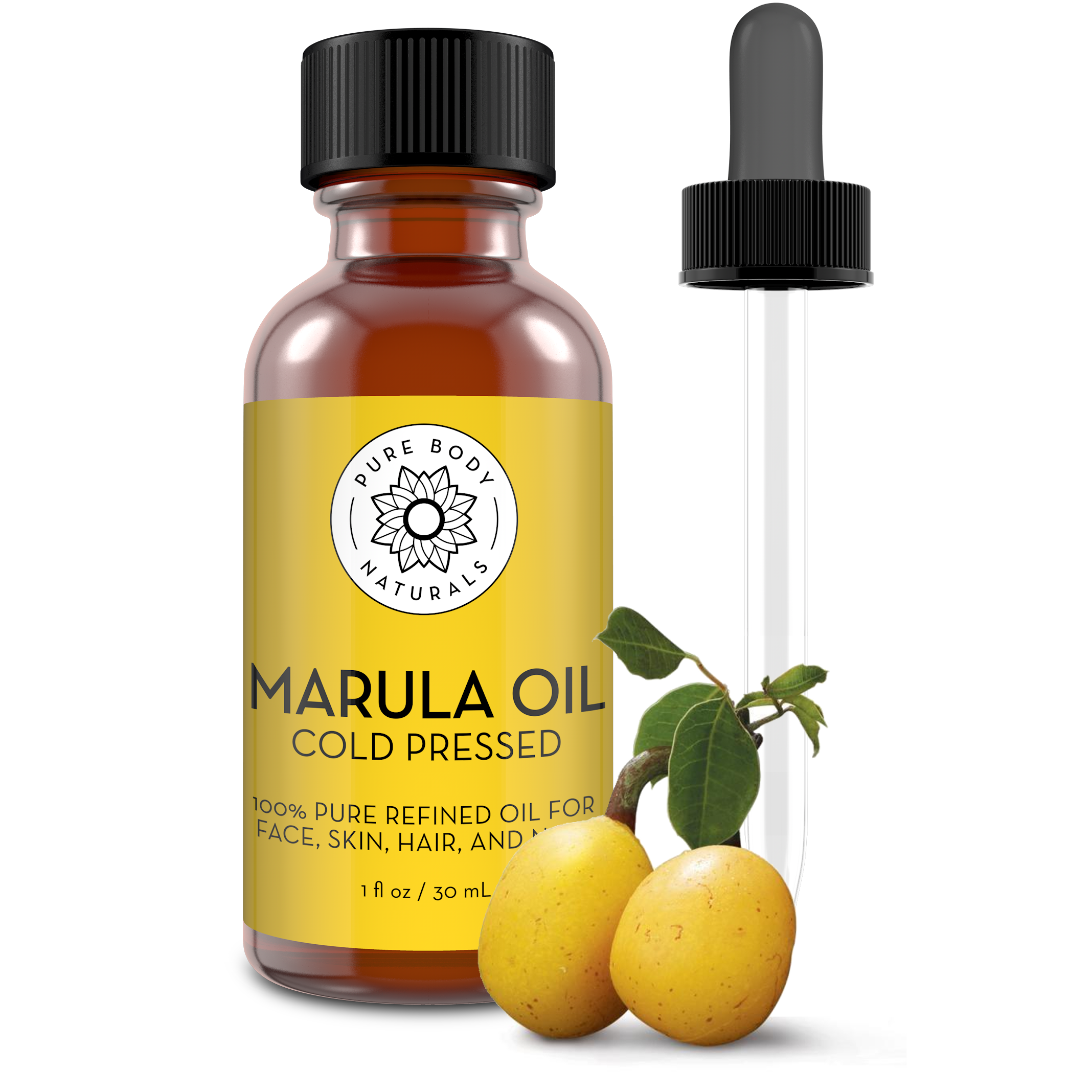 This is a traditional oil from Mozambique and South Africa. It is popular as a skin moisturiser but can certainly also be processed to a food grade standard and eaten. Like pretty much all natural oils, it contains a large amount of oleic acid and is not ideal for people with scalp problems (e.g eczema, dandruff). It is also known to contain antioxidants.
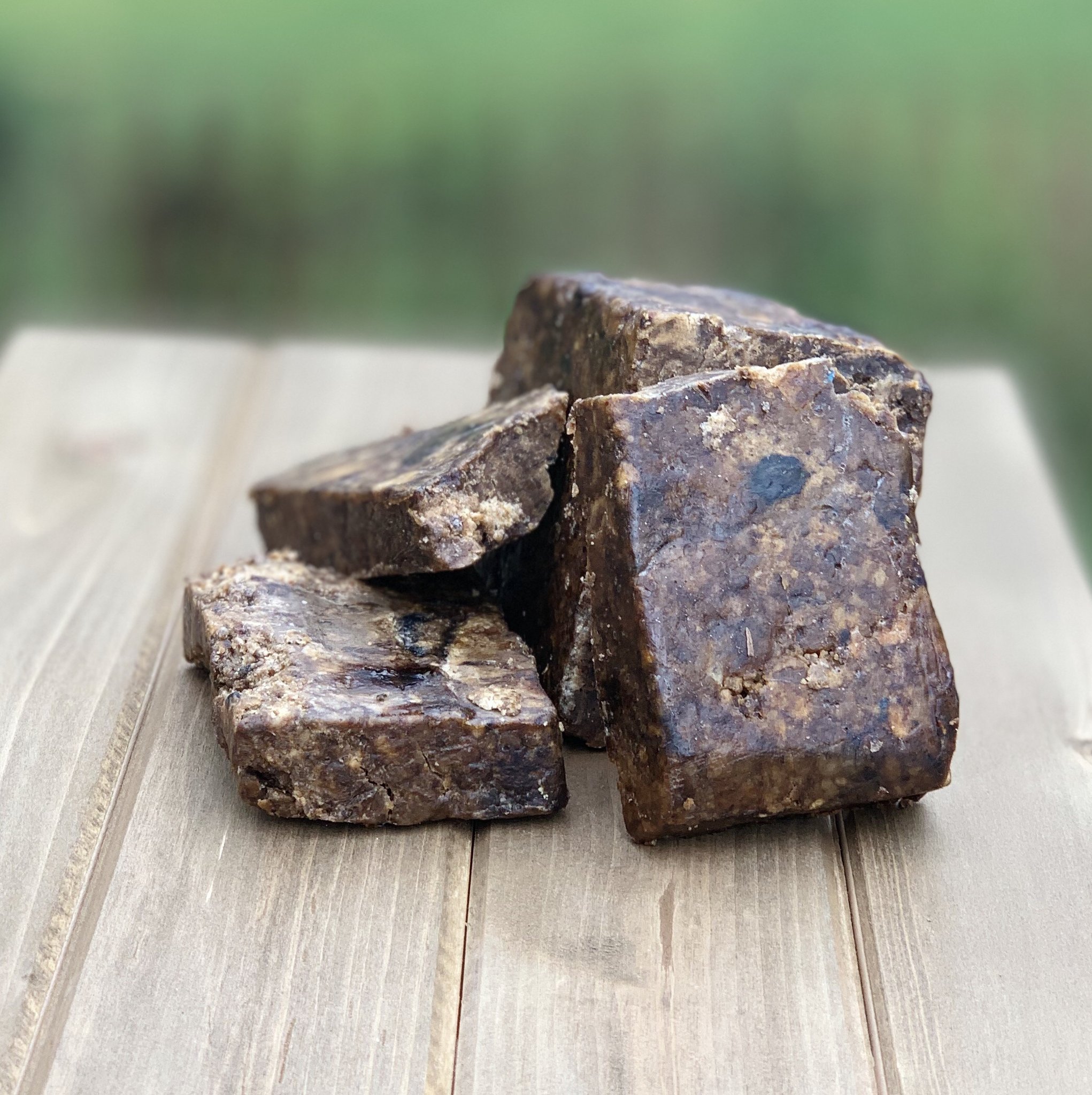 This is a traditional soap from West Africa and is commonly made from oil (shea butter commonly and plant ash. Some say it is gentler than traditional soap but it is important to remember that soap is soap and it will always have a high pH. If that is something you are sensitive to, then do not use it.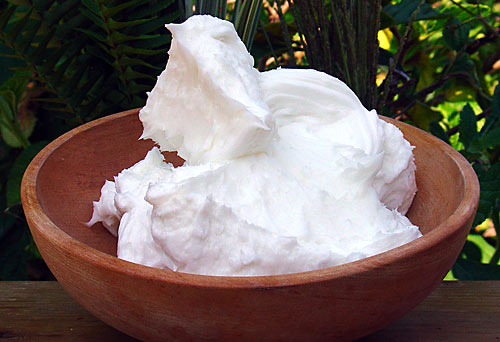
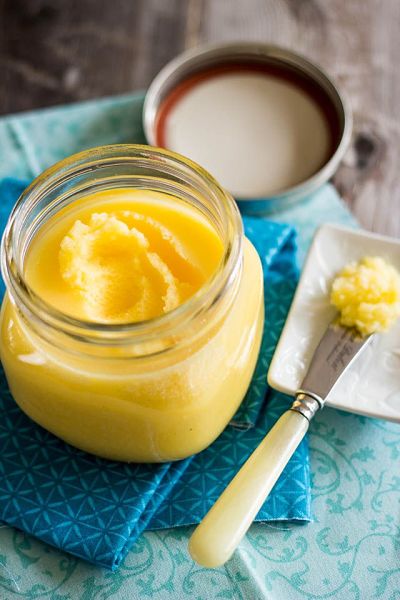 I have previously talked about the use of butter (as in real actual edible butter) for hair care in Ethiopian communities. Thanks to a documentary on traditional people there, I have realised that the butter they use is what we refer to as ghee which is a type of clarified butter that you can find in Indian food stores. The butter is used to help moisturize and/or seal in moisture. Additionally, it’s used to strengthen hair which is possible in part due to the fat in butter, much like in coconut oil, is unsaturated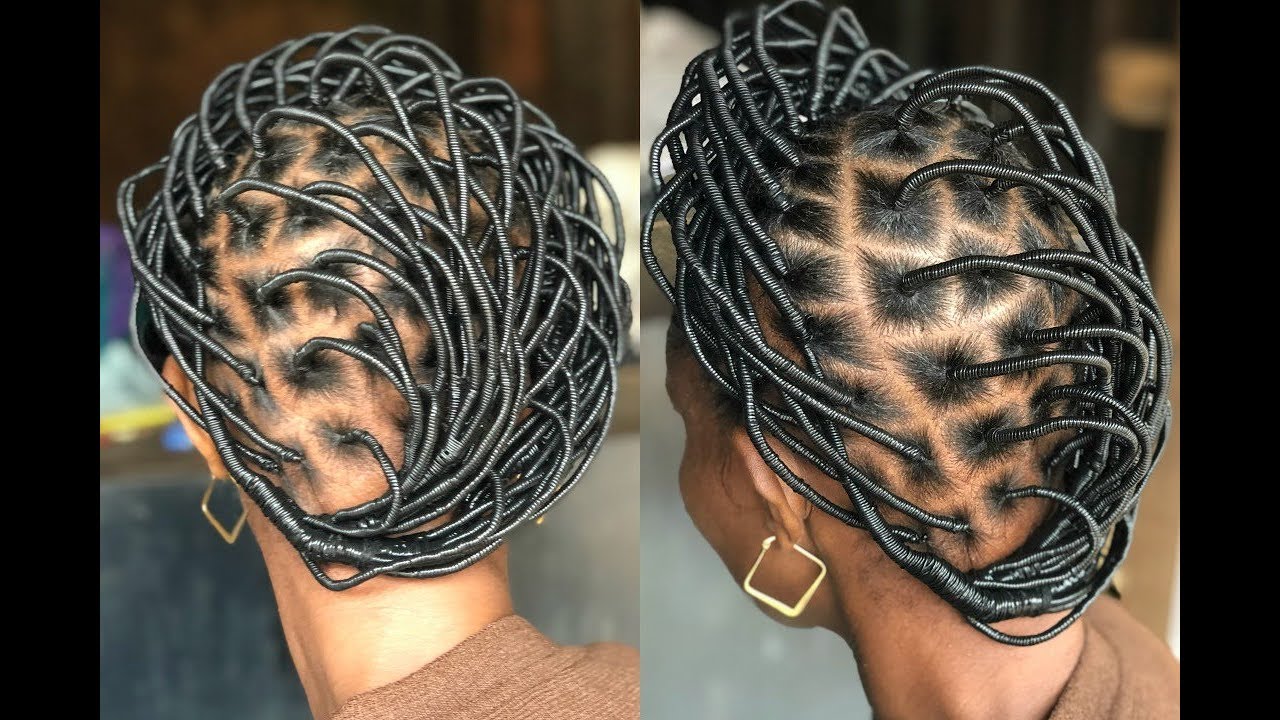
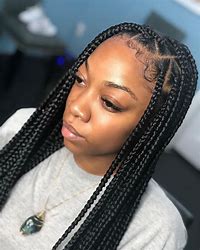 Intricate braiding is a feature of many traditional and modern African communities. There are many African women who traditionally (and in modern day) chose to wear their hair short as it is convenient and fuss free. However, from the Himba women of Southern Africa to Ethiopian tribes of Eastern Africa and even to the Nigerian women of Western Africa, there are many communities who traditionally (and in modern day) showcase long braided hair. Braiding long hair is as much for beauty as shown in the attention to detail as it is for maintenance of hair length. It is a protective style that has withstood the test of time.