8 Ancient Secrets for Long Healthy Hair

Hair

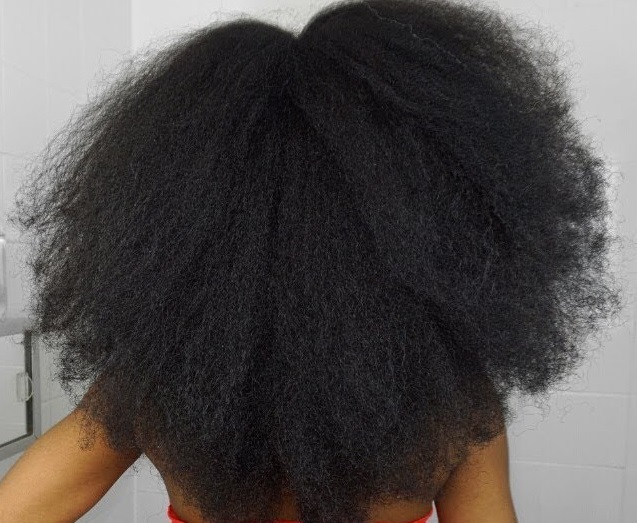
It is often said that with slavery came a depletion in knowledge of hair maintenance. However, traditional African techniques of hair maintenance are actually being used as we speak! Here are some new and old favourites.

1. Rooibos Tea

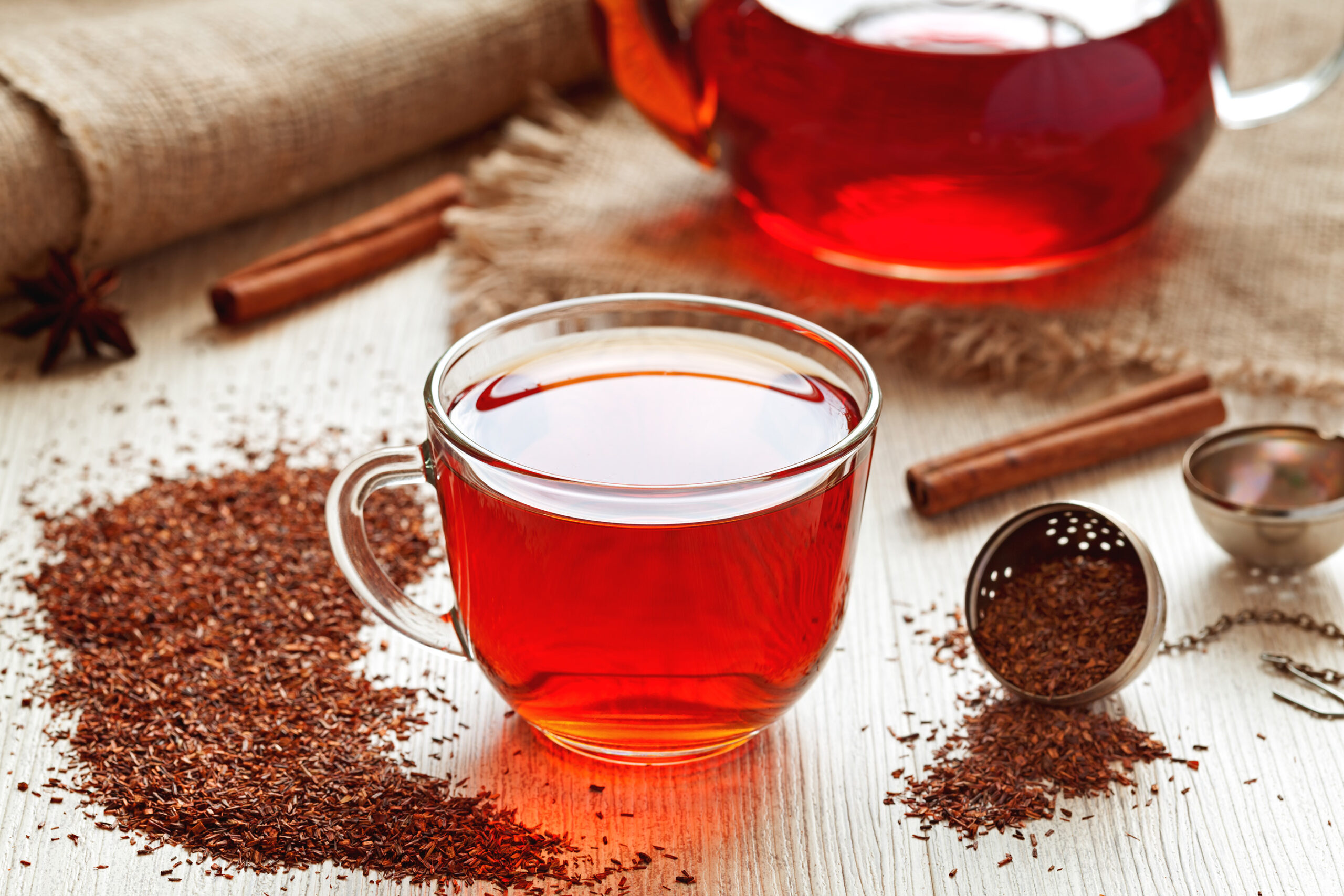
Healthy traditional herbal rooibos beverage tea with spices on vintage table
Cup of healthy traditional herbal rooibos red beverage tea with spices on vintage wooden table

In truth, I have not found evidence that Rooibos tea was used on hair traditionally in South Africa where it originates. It is certainly a popular caffeine free tea drink. Scientific studies have shown that rooibos tea contains antioxidants and even has antimicrobial effects. It is gaining popularity among naturals who want to use tea rinses on their hair for these reasons.

2. Marula oil

Marula oilThis is a traditional oil from Mozambique and South Africa. It is popular as a skin moisturiser but can certainly also be processed to a food grade standard and eaten. Like pretty much all natural oils, it contains a large amount of oleic acid and is not ideal for people with scalp problems (e.g eczema, dandruff). It is also known to contain antioxidants.
3. Rhassoul Clay

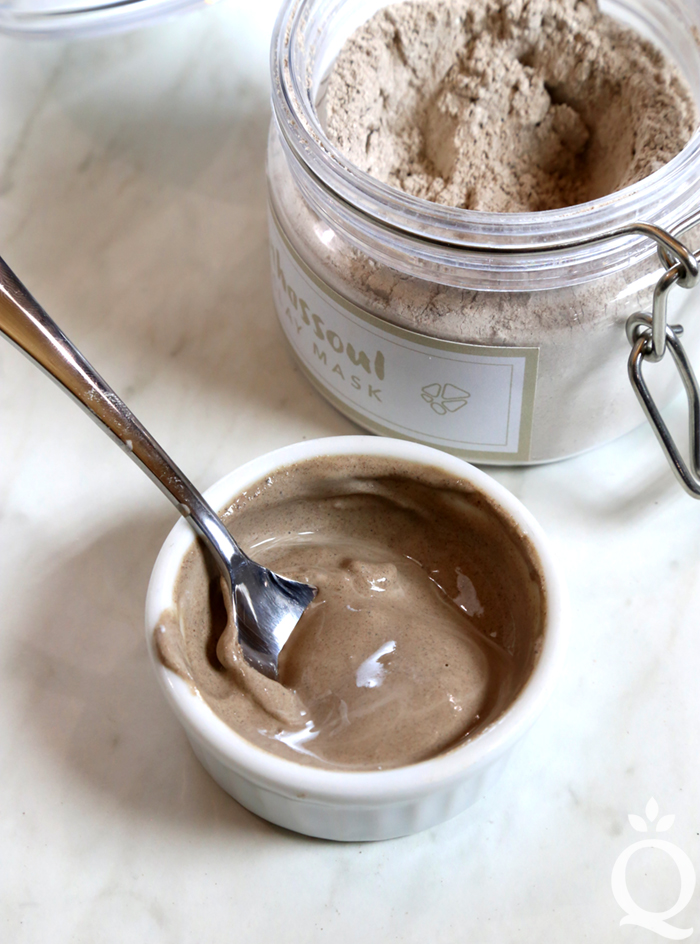
Rhassoul-Clay-Mask
Hailing from Morocco, Rhassoul clay is a traditional mud wash that can cleanse oil from hair. It is not readily explained on how it does this but what is certain is that it can!

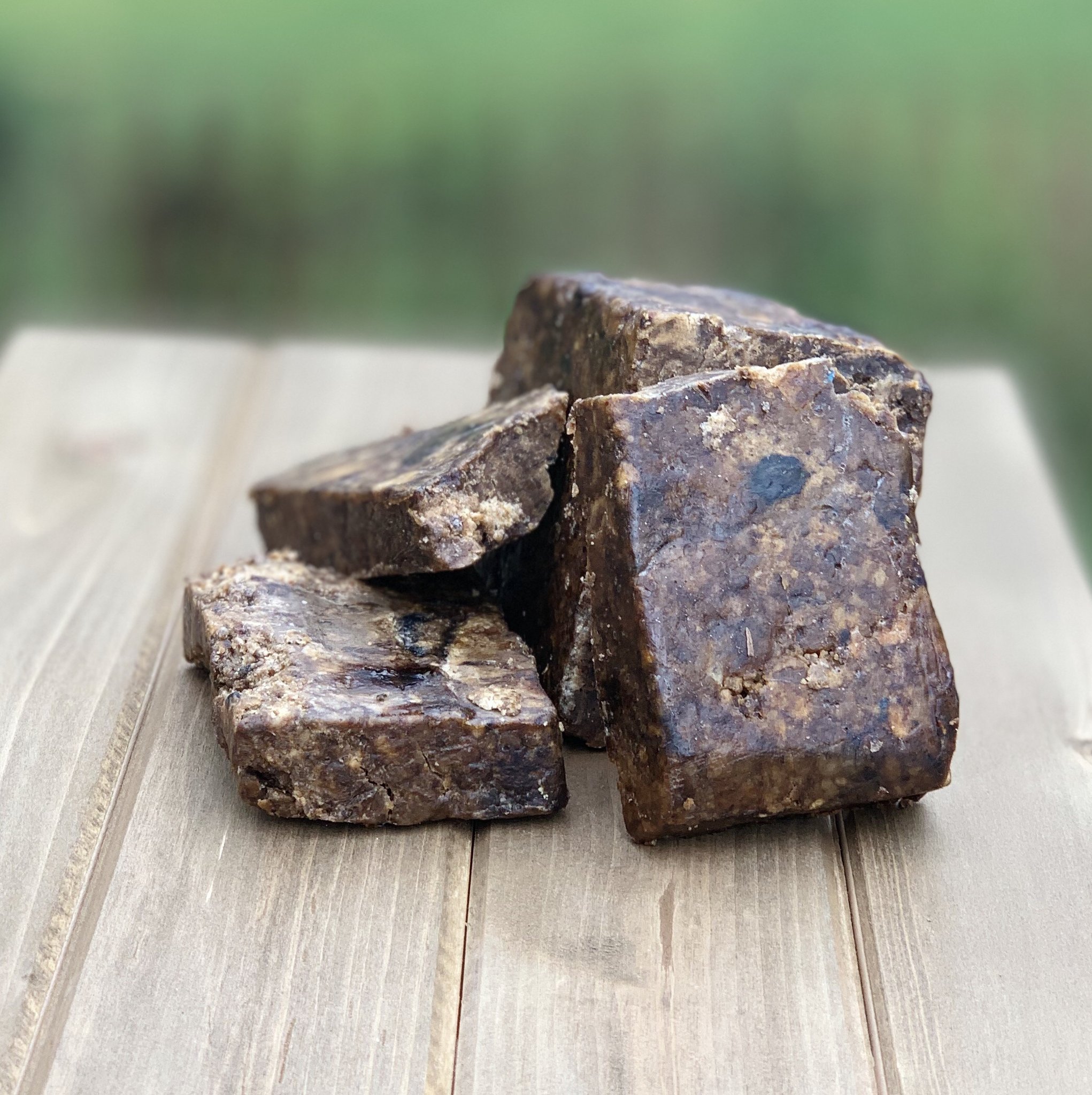
4. African Black Soap

African Black SoapThis is a traditional soap from West Africa and is commonly made from oil (shea butter commonly and plant ash. Some say it is gentler than traditional soap but it is important to remember that soap is soap and it will always have a high pH. If that is something you are sensitive to, then do not use it.
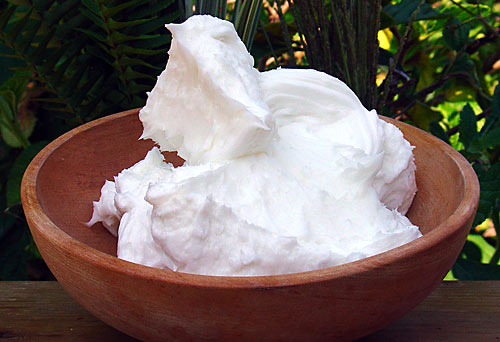
5. Shea Butter, Avocado Butter, Cocoa Butter, Coconut oil, Argan Oil

sheabutter-main
I will not harp on too much about these as they are pretty common knowledge. The one thing that is consistent across the continent is the use of oil to help maintain hair moisure. This is perhaps the bigger and more important story. If you are experiencing dry hair, do try to include an oil/butter within your moisturising routine.

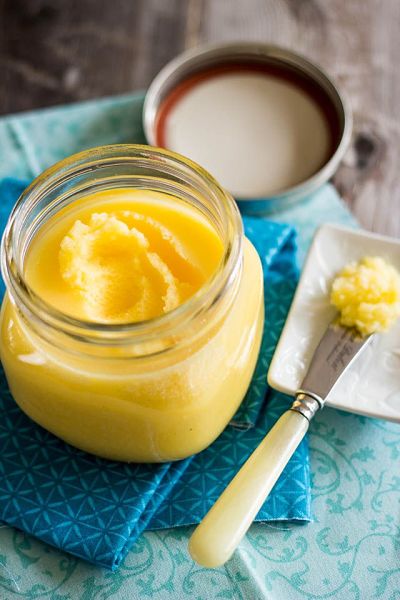
6. Ghee (butter)

Ghee (butter)I have previously talked about the use of butter (as in real actual edible butter) for hair care in Ethiopian communities. Thanks to a documentary on traditional people there, I have realised that the butter they use is what we refer to as ghee which is a type of clarified butter that you can find in Indian food stores. The butter is used to help moisturize and/or seal in moisture. Additionally, it’s used to strengthen hair which is possible in part due to the fat in butter, much like in coconut oil, is unsaturated

7. African threading

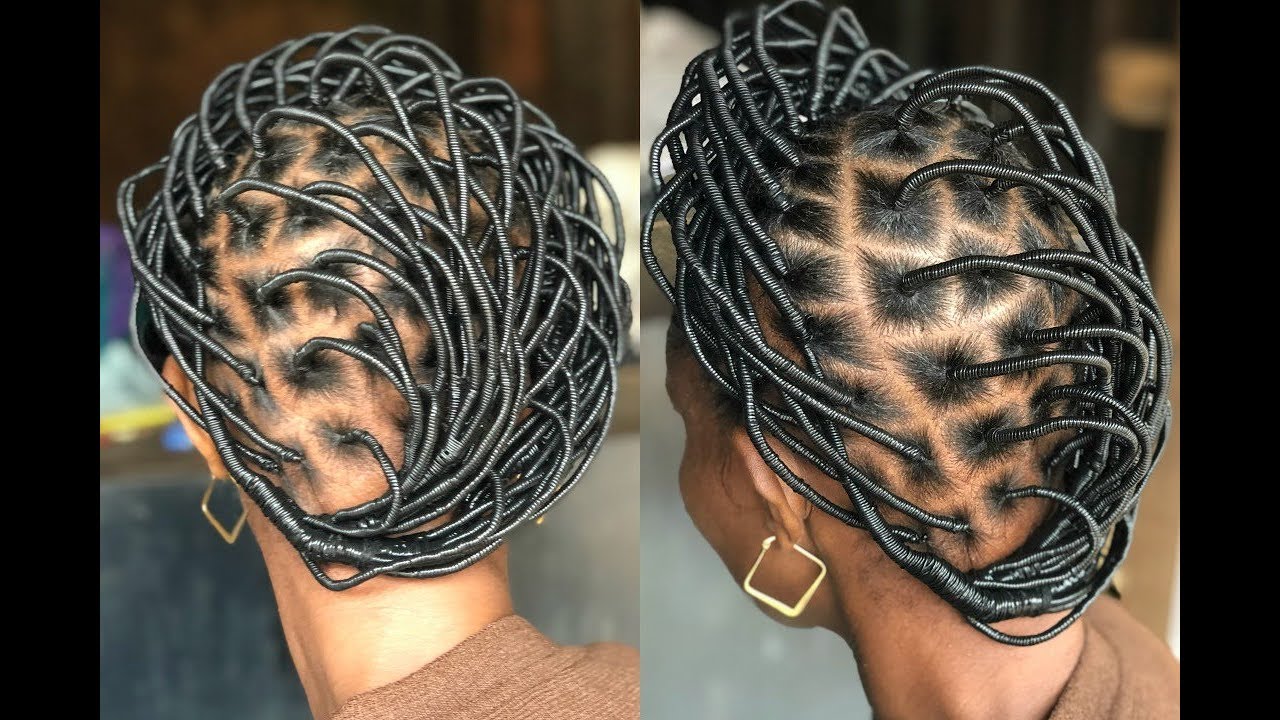
African threading
African threading is experiencing a renaissance thanks to youtubers such as Nadine of Girls love your curls who has featured a more modern interpretation that does not involve fully wrapping hair in thread and creates a more twisted style. This technique was used traditionally in West and Central Africa to wrap and protect hair as well as create intricate styles. Today, it is used in a similar manner and in addition is a way to stretch hair with no heat.

8. Braiding

BraidingIntricate braiding is a feature of many traditional and modern African communities. There are many African women who traditionally (and in modern day) chose to wear their hair short as it is convenient and fuss free. However, from the Himba women of Southern Africa to Ethiopian tribes of Eastern Africa and even to the Nigerian women of Western Africa, there are many communities who traditionally (and in modern day) showcase long braided hair. Braiding long hair is as much for beauty as shown in the attention to detail as it is for maintenance of hair length. It is a protective style that has withstood the test of time.

Culled from blackgirllonghair


Jonathan “Mavua” Lessor, The Painter

[dropcap custom_class=”normal”] Jonathan “Mavua” Lessor ( born on 26 November, 1960 ) hails from Warri, Delta State, Nigeria. He had his early education in Warri, Delta State. In 1986, he obtained a Higher National Diploma (HND), Upper Credit, in painting  at Auchi Polytechnic and did his National Youth Service at the Federal College of Education, Abeokuta from 1986-1987. [/dropcap]Continue reading

Acute Paintings Of Lagos City

Lagos Nigeria is arguably the largest city in Africa with the population standing at 17.5 million at 2006  and 21 million in the present day after growing at a rate of 3.2%. This state in Nigeria constitutes the bulk of the producers and consumers of goods and services and it’s also the prime beneficiary of development in the country perhaps the reason for massive influx of individuals from other states and countries.
In Lagos, population has been a rather sensitive topic. A conversation I had with a friend a few weeks threw more light on the dangers and the future of Lagos state if it continues to grow at this rate. It is said that there are no more lands in the inner-Lagos and for this reason property developers are moving to the outskirts like Owode, Ifo, Adodo Ota, Ibeju, Sango, to create habitats. It is arguable that this is also a reason for the Lagos state government embankment on ‘Eko Atlantic’ land reclamation project aside creating a permanent solution for Bar beach’s encroachment from the Atlantic ocean.

It is said that this dynamic new city would house at least 250,000 people and provide a workplace for another 150,000, but that it’s still a long way shy of the 17 million population, that is if we are talking about depopulating Lagos. This does not still help the traffic caused by number of vehicles on the roads which according to Lagos State Ministry of Transportation is about 1.1 million.

Now what is the future of Lagos? I stumbled upon some art works online, the urban future as foreseen by a San Francisco-based artist Michael Kerbow. The paintings are a series of acrylic and oil paintings depicting the inevitable result of human over-consumption, over-construction, and over-population of the cities, where things are headed unless we consider our actions and find a way of depopulating our cities .

Compulsive Actions
This picture clearly shows you too many cars on the roads and alternate highways constructed to cater for the increasing number of cars on the roads.

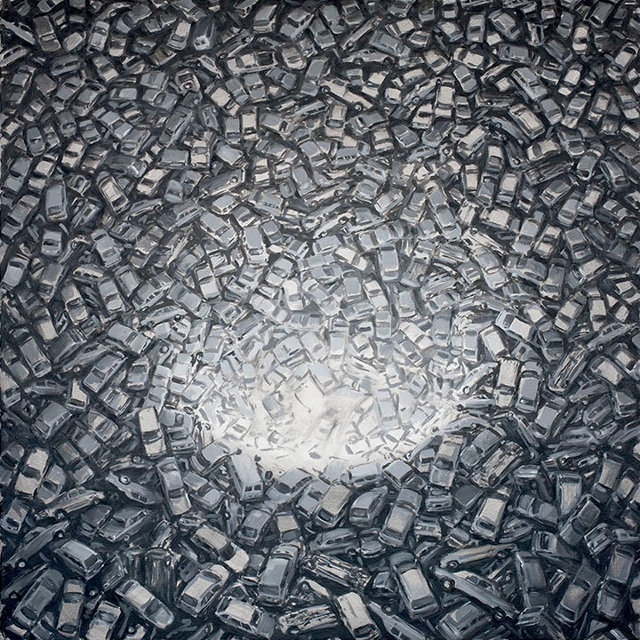
Churn

This features a “humongous churning mass of cars” To Kerbow, the painting “is a good metaphor for talking about fossil fuel usage.” A Means to an End, meanwhile, is a “parable about human hubris.” Also inspired by Bruegel, it’s based on the story of Icarus. “Every day our lives are about getting from point A to B,” he says. “When you’re commuting, you’re not being mindful about what’s powering that way of existing.” Hence the smoke stack fouling the atmosphere out beyond the traffic jam.

Empty Promises

A look at this image reminds me of how empty many towers and high rise building in Victoria Island Lagos Nigeria are. Most of the buildings were constructed with bank loans and promises that soon as they start to function, big firms and conglomerates would move in and perhaps after a few years, the construction money will start to be made back but unfortunately the rates of spaces in these buildings are so high that companies after moving in because of the posh and glamour start moving out because they cannot continue to pay the high rates, not if they want to stay in business.

Convoy

In Lagos Nigeria, everyone wants to own a car, oh well, that’s past tense, now everyone not just in Lagos but in Nigeria wants to own a Private jet. According to Punch newspaper NG of Jan 2014, the Nigerian presidency has 11 private jets, and according to a Guardian publication, Nigeria tops lists of private jet owners in Africa. Now looking at this picture, I see danfo buses and ants of cars, a typical old oshodi image. This is the Lagos I know so well and I must commend this artist whom I doubt has never being to Nigeria, or Lagos for that matter.

Now when you look at the sky, you see the jets and planes. This is what will happen when we refuse to weight the consequences of every action we take.

Culled from thebusinessaim

Lost in Lagos Presents Discover Lagos!

[dropcap custom_class=”normal”] Lost in Lagos Live is hosting it’s biggest lifestyle event yet!  With a diverse range of vendors like Delavi Couture from fashion and home furnishings to gifts and coffee, there is something for everyone. At this year’s event they are celebrating SPAN at 10, with a costume party in the special ‘Kids Tent’ and a dance performance by the SPAN dancers.  [/dropcap]

Continue reading

Ghanaian Staple Food: Kenkey With Fresh Fish

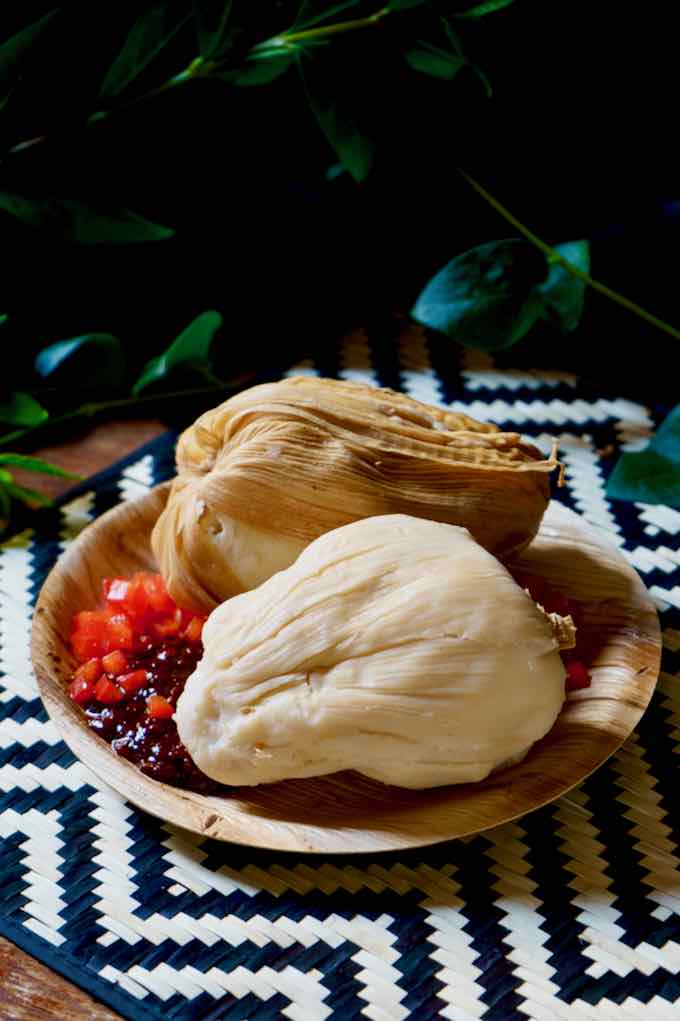
kenkey

Fishing is also a major part of the Ghana economy, as a result, many Ghanaian dishes are based on fish. Local plants based food as such as coconut, plantains and many more are also highly prized and used in the country’s cuisines. Chillies are also an important component of Ghanaian cuisine and provides significant vitamin C in the diet. Another feature of Ghanaian cookery is the use of boiled eggs as a garnish.

Here are is a classic Ghanaian dishes for your enjoyment:

Ghanaian Kenkey with Fresh Fish Stew.

Ingredients
450g fresh fish (any firm white fish)
4 hot chillies (eg Scotch Bonnet) pounded to a paste
2 tbsp tomato puree
3 tbsp ground, dried, shrimp
4 medium onions, finely sliced
4 fresh tomatoes, chopped and pounded to a paste
6 tbsp Kpakpo Shito
300ml water
150ml red palm oil
1 garlic clove, pounded to a paste
1 tbsp freshly-grated ginger
salt, to taste

Method:
Clean the fish, remove the gills and cut into steaks. Wash the flesh with lime, lemon or vinegar then rinse in water and marinate in the garlic, ginger, chillies and salt. Set aside for 30 minutes before continuing.

Heat a little oil in a pan and fry the onions and tomatoes for a few minutes. Add the ground shrimps and tomato puree and allow to simmer for about 10 minutes, or until cooked. Add the water and the marinated fish (along with any remaining marinade) and simmer gently for about 25 minutes, or until the fish is cooked. Serve hot on a bed of rice or with boiled yams or plantains.

Kenkey
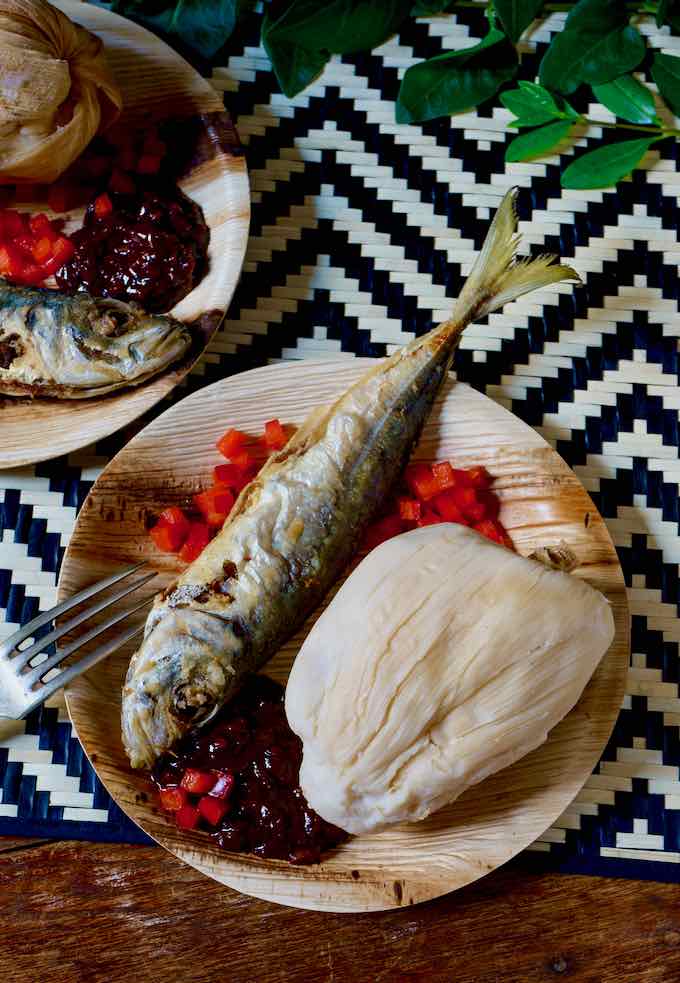
kenkey and fresh fish
Kenkey (also known as Dokonu or Komi) is one of the staple foods consumed in Ghana. It’s a steamed dough ball made from fermented corn (maize) and usually wrapped in corn shell..

Ingredients:

2kg maize flour (eg cornflour or cornmeal) and white cornmeal is preferred

Method:
To prepare Kenkey from scratch the maize flour first has to be fermented. It’s mixed with just enough warm water to wet it before being allowed to ferment (covered with a clean cloth) for two to three days to form maize dough. It has slightly sour aroma when properly fermented.

The resultant dough is kneaded with the hands until it is thoroughly mixed and has stiffened slightly. At this point it’s divided into two equal portions. Half the fermented dough is placed in a large pot along with 250ml water where it’s partially cooked for about 10 minutes, stirring constantly and vigorously (at which point it’s called aflata). At this point the uncooked half of the dough is added and mixed-in well. The resultant aflate–dough mixture is divided and shaped into serving-sized pieces before being wrapped tightly in banana leaves, cornhusks, greaseprof paper or foil. The wrapped dough is then placed on a wire rack above a pot of boiling water and are steamed for between 1 and 3 hours.

The final dough balls are the kenkey and are typically served with a sauce (typically a hot sauce) such as Palaver Sauce or any meat or fish dish.

Mmmm, enjoy a little flavour of the recipesfromGhana!

Source: http://www.streetdirectory.com/

The Beautiful Bojo-Beach: Accra-Ghana

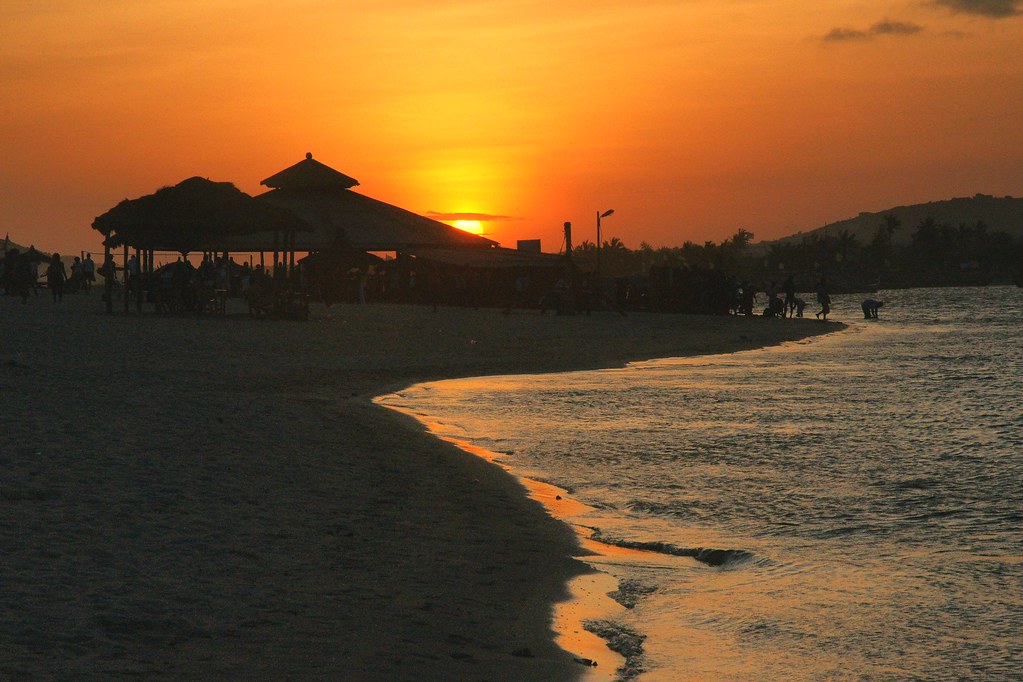
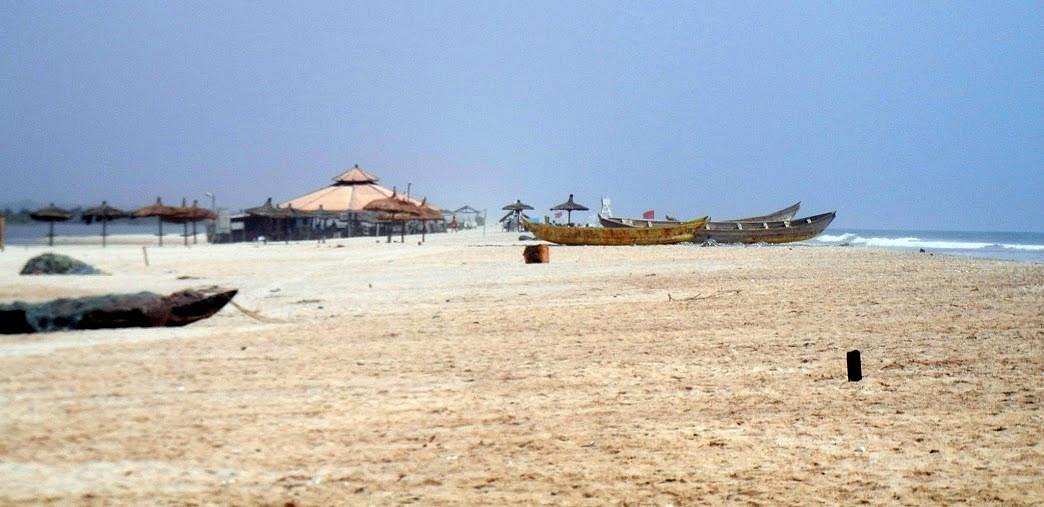
Bojo Beach

Ghana is an exciting country with beautiful beaches, mountains, landscapes, and an incredible coastline. Bojo Beach is one of the cleanest and most beautiful beaches in Ghana.

Located along the Accra-Cape Coast Road at the Old Police Barrier (Beach Road) towards Kokrobite. The beach is about 20km from west of  Accra and  about 30 minutes from downtown Accra.

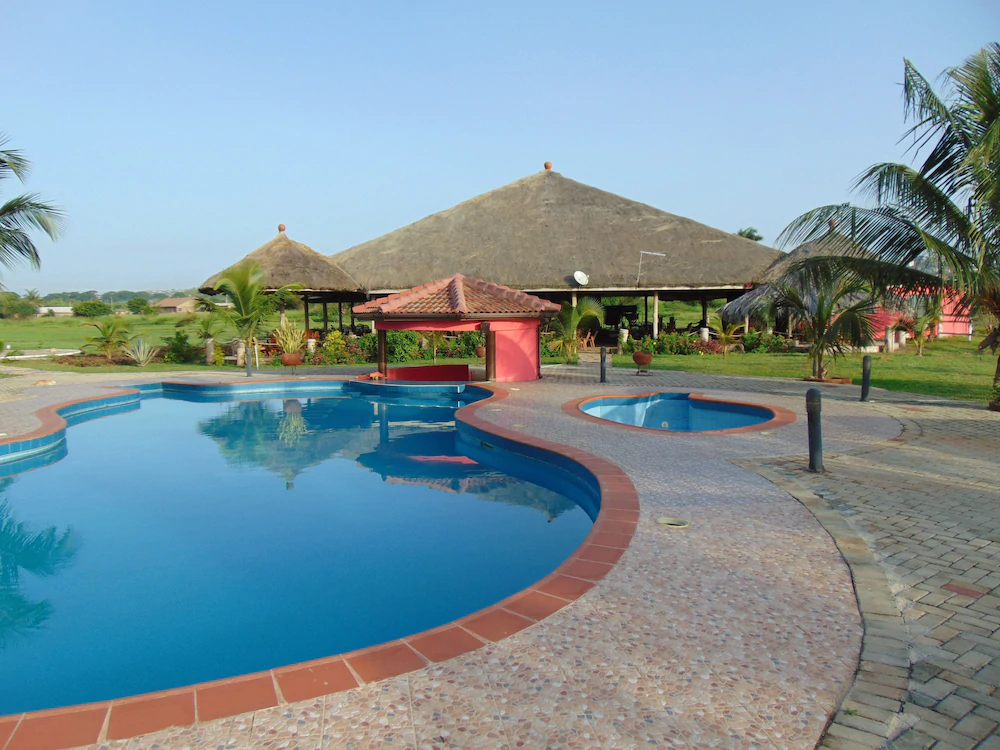
Bojo beach resort

Beautiful Bojo Shores (Lagoon sie) although not a very big beach, it is a great place to hang out with your love ones if you want to have and sneak away from the busy city of Accra. There are special small canoes and boats that carry people across from the land to the shores and they are operated by trained and friendly staff so don’t worry about your safety.

bojo-beach-yellow boat

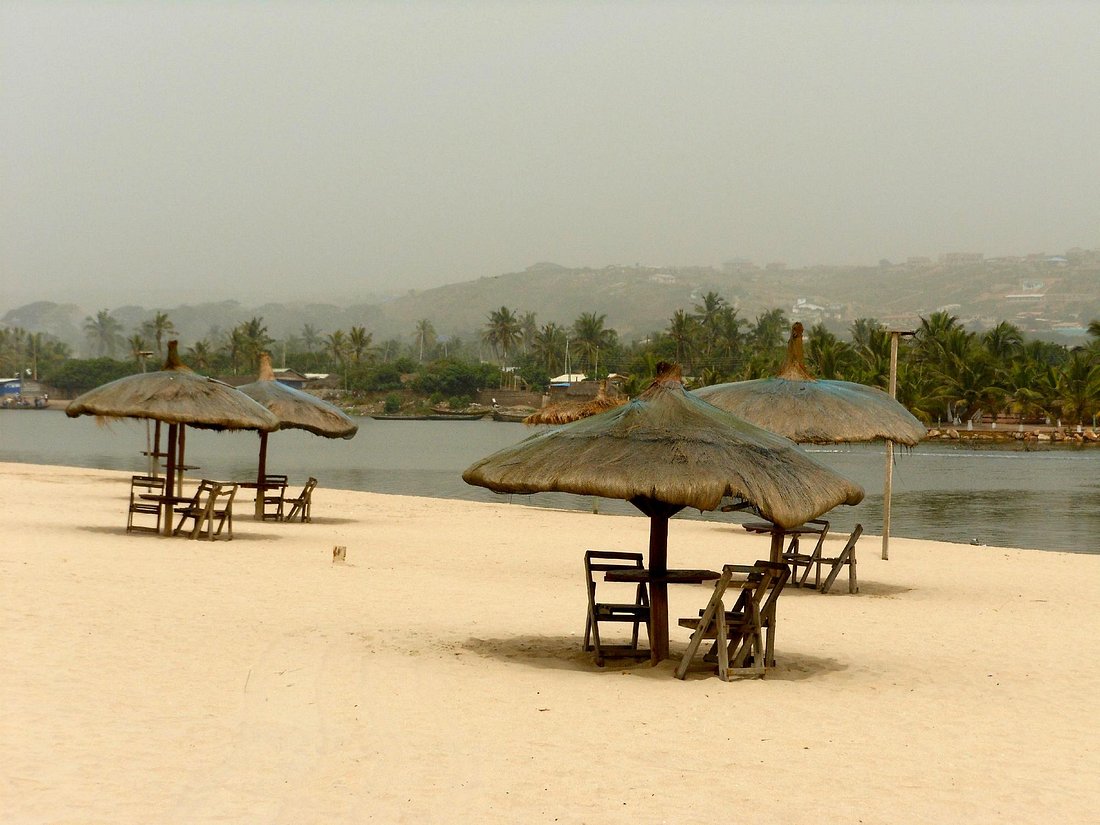
The main section of Bojo beach has a redbrick building equipped with a conference room with a 200 sitting capacity, a bar, restaurant and a game area that offers a variety of games including table tennis. The beach is an island that contains a huge straw hut and a bar. The small huts scatted across the beach makes this paradise on earth a blissing and a relaxation joint after a hard week’s work with great music that is good for mind and soul. It also has public restroom with showers.

bojo-beach straw huts

In Bojo Beach,  you experience the rich “Island” experience on a sand bank with one side being fresh water and the other side being salty. This beach is sandwich between a lagoon and the sea shores. The lagoon joins the sea at some distant point, thus making a long strip island.

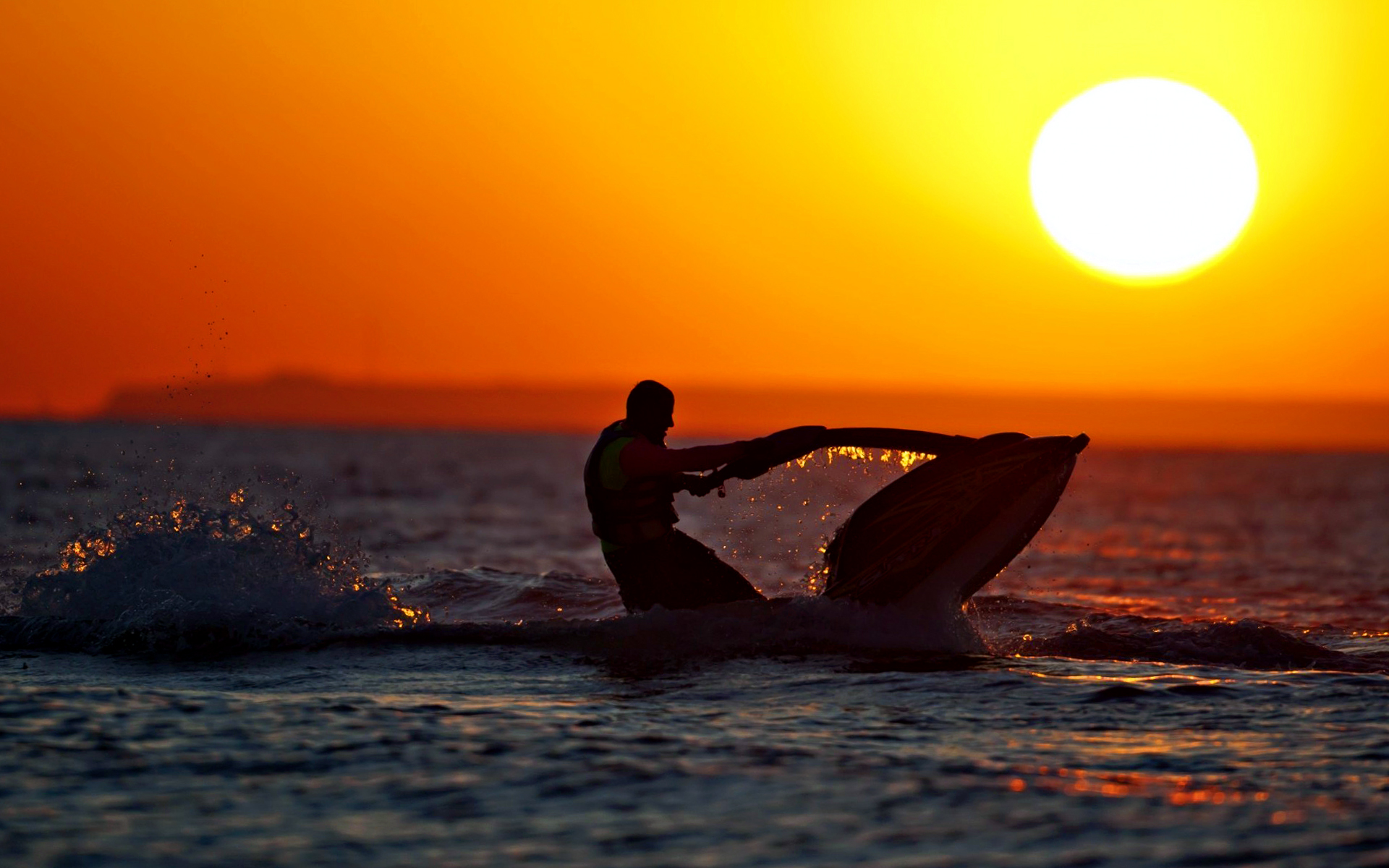
Sunset Jetski

The fresh lagoon side is quiet and the beautiful sea side is very active with vigorous waves and splashes. It is amazing how this beach is very clean, quiet and romantic.

For people who want to ignite their adrenaline and have more fun, ski jets are available to rent. It cost just a few bucks per ride or time.

Fried rice & snapper

Apart from the great aesthetic views of this magnificent beach, the beach also has a nice on-shore restaurant serving kebabs, sea foods, native foods, some continentals and all sorts of alcoholic drinks and soft drinks.

If you want to experience the abundance of beach life, visit Bojo Beach.

Traditional Drumming & Dance from Ghana: Gahu

Gahu drumming in Kopeyia, Ghana

According to Ewe Master Drummer Emmanuel Agbeli of Kopeyia, Ghana, Gahu is an adaptation of kokosawa, an older African drum and dance style that originated with the Yoruba people of neighboring Nigeria. The Ewe took kokosawa and increased the tempo to more than double its original value.

Traditional African Instruments

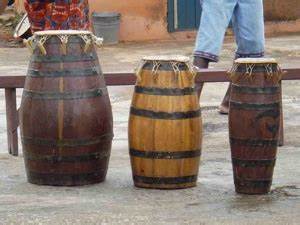
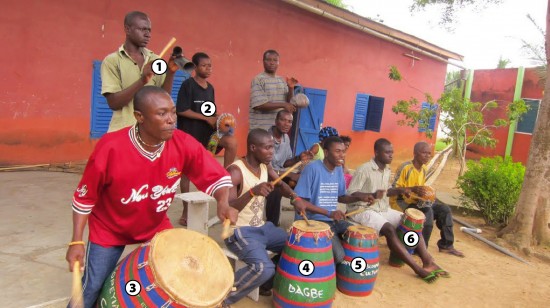
A traditional Gahu drumming ensemble is comprised of six different instrument types, each with a distinct construction, sound, and rhythmic character.

Gahu drumming in Kopeyia, Ghana

Master drummer Ruben Agbeli (left) of Kopeyia, Ghana, leads a Gahu drumming group on boba.

  1. Gankogui (pronounced gahn-KOHG-way): Two tone iron bell, one of three “timeline” instruments, its fundamental pattern remains the same throughout the entire form of the piece. Normally there is one gankogui in a Gahu ensemble, sometimes two.
  2. Axatse (pronounced ah-HAHT-say): African gourd shaker. Also a timeline instrument. There can be between one and five axatse players in an ensemble, sometimes more.
  3. Boba drum (pronounced boh-BAH): Lead/master drum. By playing specific rhythmic cues, the boba player guides the entire ensemble, including the dancers and singers, through the various sections that comprise the form of Gahu.
  4. Sogo drum (pronounced SOH-goh): Low-pitched accompaniment drum. One of two “response” drums, its pattern can change in response to rhythmic cues played on the boba. Normally there is one sogo in an ensemble.
  5. Kidi drum (pronounced KEE-dee): Medium-pitched accompaniment drum. One of two response drums, its pattern can change in response to the boba. Normally there is one kidi in an ensemble.
  6. Kagan drum (pronounced kah-GAHN): high-pitched accompaniment drum. Third timeline part. Normally there is one kagan in an ensemble.

Form of Gahu

  • The overall form of the present-day Agbeli arrangement of Gahu begins with a short introduction of the slower kokosawa (a nod to the past) followed by the up-tempo main section that is, broadly speaking, what we might think of as a rondo:
  • ABA—ABCABC—ABDABD—ABEABE—ABFB’ABFB’—ABGB’ABGB’—ABHABH—ABIJ
  • The main A section of Gahu, which in choreographic terms is referred to as “free movement” on account of the breezy, economical style that characterizes the dance movements. The B section, commonly known as “serious movement” due to the increased intensity of the dancing, is almost always placed between free movement and one of the variation sections: C, D, E, F, G, H, I, and J, respectively.

Source: http://thisworldmusic.com/gahu-african-drumming-and-dance-from-ghana/

A Blend Of Leisure And Work: Victoria And Alfred Waterfront, Cape Town

victoria-and-alfred-hotel(1)

Queen Victoria’s son, Prince Alfred built the harbour in 1860. He named it after himself and his mother, hence the name Victoria and Alfred Waterfront.

victoria-and-alfred-hotel(1)

It is one of the most visited tourist site in Africa, as it attracts over 23-million visitors a year. It is a favourite spot for the people of Cape Town and other tourists.

Situated in South Africa’s oldest working harbour, between Robben Island (where Nelson Mandela was imprisoned for 18 years) and Table Mountain in the heart of Cape Town. The 123-hectares space is developed for mixed use. Visitors are offered leisure, shopping, entertainment and business. Much of the Waterfront charm lies in its busy commercial harbour.

Set against a backdrop of magnificent sea and mountain views, exciting shopping and entertainment venues are intermingled with imaginative office locations, pubs, restaurants, specialty shops, craft markets, theatres and movies.  world-class hotels and luxury apartments in the residential marina.

There are over 450 world-class retailers, over 10 hotels, over 80 eateries including 12 fine dining restaurants, coffee shops, pubs and taverns, and a fresh food market. For business travelers, they can use 40 business function rooms at 11 conference venues, for leisure activities, you will find over 450 world-class retailers and over 20 leisure activities; including helicopter flips, boat rides, the Cape Wheel (a 40-metre (130 ft) tall.

Table Bay Hotel at V & A

TheTableBayHotel

Office location for business

business locations Victoria And Alfred Waterfront, Cape Town

If you love shopping, the Waterfront is complete bliss as it has large, airy malls are packed with designer boutiques and jewellers, off-beat craft markets and proudly South African brands. Foodies and locavores will enjoy sampling organic treats at the market on the Wharf.

mall Victoria And Alfred Waterfront, Cape Town

As for the dining options, they range from fish ’n chips to white-cloth cuisine. Enjoy a relaxed lunch at some of the restaurant such as Balducci’s; a perfectly grilled steak or seafood platter at Belthazar; or pick from the sushi menu and extensive wine list at Sevruga.

Two Oceans Aquarium - victoria and alfred waterfront, cape town

The children are not left out, the Two Oceans Aquarium, four museums, and several child-friendly activities that are not weather dependent. Similar feature for the Atlantic Ocean that includes translucent jellies and seahorses; the Sappi River Meander,  the Kelp Forest Exhibit,  I&J Predator exhibit that includes ragged-tooth sharks, an assortment of rays, loggerhead turtle and other predatory fish.

Treat yourself to sunset cruise by visiting V & A this holiday.

Source: go2africa.com

White and Blue Resort Town of Asilah, Morocco

Asilah is a popular seaside town just south of Tangier in Northern Morocco, with walls painted bright white and blue. Visitors in Asilah enjoy walking through the maize of streets in the old medina which has been meticulously restored. The ramparts built around the old town are in good shape, and perfect for sitting on to watch the sunset over the blue Atlantic ocean. The walls go straight down to the rocks and sea below, and offer great views of the fishing boats coming back after a day out at sea. A mile and a half south of Asilah lies Paradise beach, a wonderful wide stretch of sand, popular with local families and tourists from around the world.

With the building of the new port in Tangier, Asilah is actually a nice alternative to staying in the more gritty Tangier for your first or last night (if you come via ferry across the straits of Gibraltar). Asilah has a definite Iberian flavor to it, which makes sense once you realize the Portuguese took over town in the 15th Century and built several of the historic structures that stand today, like the ramparts. Some people who visit Asilah say it reminds them of Greece which probably has more to do with look of the white washed houses, than the fact that the Greeks ruled this area almost 1500 year

Asilah has an old part of town called the medina which has all the character you’re looking for as a tourist. Lovely cobbled streets, courtyards, carved doors, little shops and no traffic. The medina is located on some very high cliffs above the ocean. About a ten minute walk from the Medina, the “new town” is where you’ll find banks, ATM machines, restaurants, taxis, bus station, and more modern (read uglier) architecture. The rocks to the ocean are flatter here and you can see boats coming in, and life around the little port which is very nice to watch. Asilah is small enough to walk to all the attractions, the best beaches to the north and south of town require a short taxi ride. Asilah is known as an artist town, and attracts many creative types. Moroccan families come to Asilah during the summer months to escape the heat in the interior of the country.

Asilah’s Main Attractions

Shopping – the bazaars in Asilah are good value once you polish your bargaining skills. They are much more laid back than what you’d find in Tangier. So if you have special wishes, or would like to get something custom made, Asilah is a good place to do it.

Beaches – The best beach near Asilah is Paradise beach just 3km (1.5 miles) south of town. It’s very wide and great for building sand castles, taking a camel ride or picking up a game of soccer. You can take a taxi or even a caleche to get there (horse drawn carriage). There is also a good beach north from the medina, the further you walk the better the beach.

scenic-view-of-beach-against-cloudy-sky-at-asilah-746124095-5c2d2be046e0fb000192ca75

Medina – Asilah’s medina is clean, well kept and wonderful to stroll around. You enter via one of the two main gates – Bab el-Kasaba and the Bab el-Homar. Just walk until you get lost, that’s generally the best way to experience it. You can always ask a local shopkeeper the way to one of the gates.

a-woman-walks-across-a-decorative-plaza-in-the-coastal-town-of-asilah--morocco--185676983-5c2d37d746e0fb00016d20e1

The Ramparts – the best place to watch the sunset is by taking a stroll along the ramparts in Asilah. It’s also where you can take the photo of town you see above. The ramparts were built by the Portuguese more than 500 years ago but have been restored many times since then.

street-in-asilah--morocco-519012098-5c2d2b70c9e77c0001710b73

Wall Paintings -Asilah has attracted artists for many years and they have left their colorful mark on walls in and around the medina. These wall paintings are sometimes commissioned and always celebrated every July/August during the annual Asilah Cultural Festival. The walls close to schools in the medina are particularly lovely and whimsical.

scenes-of-northern-morocco-534221062-5c2d376546e0fb0001d446fe Where to Eat in Asilah

GettyImages-134301531-58d0d0395f9b581d72c8e380

Fresh fish dishes are delicious in Asilah and other Moroccan specialities over the grill are widely available. There are some decent fish restaurants along paradise beach and good places to eat along the ramparts.

Where to Stay in Asilah
I like to stay in a Riad, Kasbah or tent when in Morocco, and Asilah has plenty of nice Riads to choose from in or close to the medina. You shouldn’t miss out on the intimacy of just a few rooms, rooftop terraces and a friendly staff that are the hallmarks of a good Riad. Favorites include: Dar Manara, Hotel Dar Azaouia (book the rooftop room), and Christina’s House (more budget) .

A little out of town, in the countryside is the peaceful Berbari Guest House, perfect if you are looking to get away from it all. If you prefer a hotel, check out Al Alba, the restaurant there is also very good. Finally, if you’d like to rent your own villa/house for your family or group of friends for a week, check out these great options.

Best Time to Visit Asilah
If you want to enjoy the beach, the summer months (June – September) are the best time to visit, since the ocean is warm. This is the peak time for tourists, both local and foreign so there’s a festive atmosphere in town. August is when the annual Cultural Festival and is well worth experiencing. Do book your hotel in advance if you plan on visiting during the summer months. Winter (December – March) can be quite chilly this far north, combined with the sea breeze, be prepared to bring a good coat.

Getting To and Around Asilah
Asilah is 20 minutes away from Tangier airport, and about half an hour drive from the new Med port in Tangier. Taxis will take you from either port of entry. More about Ferries to and from Spain

You can also get to Asilah by train, from Tangier, Casablanca, Fes or Marrakech. It takes 4 hours from Casablanca to Asilah and trains leave every two hours during the day. From Marrakech to Asilah takes around 8 hours with a change of trains in casablanca (Voyageurs). From Tangier it takes just 40 minutes and trains leave every two hours. More about train travel in Morocco…

Long distance buses also stop in Asilah, check in with the CTM offices or Supratours offices for an up to date schedule when in Morocco.

Getting around Asilah is easy on foot in the medina, or by shared taxi, caleche or mini taxi. There is never a shortage of transport but bargain when necessary and find out from local folks what a reasonable fare might be to get from A to B.

Culled from: http://goafrica.about.com/

STEPS TO MAKING

Massive Progress in your Business

Subscribe to get the free guide and learn step-by-step exactly what you need to achieve your goals.