

African fashion has always had the talent. Designers emerging from Lagos, Accra, Nairobi, and beyond have been producing world-class work for decades. Yet the African fashion platform that could carry that talent to the diaspora has been missing. The collections are compelling. The craftsmanship is real. The cultural depth is undeniable.
But what has been harder to solve is access.
Consider the gap between an extraordinary Nigerian designer in Lagos and the diaspora customer in London who would buy her work, wear it, and understand exactly what it means. That gap has resisted cultural momentum, social media advocacy, and years of goodwill. It does not close on its own. It closes when someone builds the infrastructure.
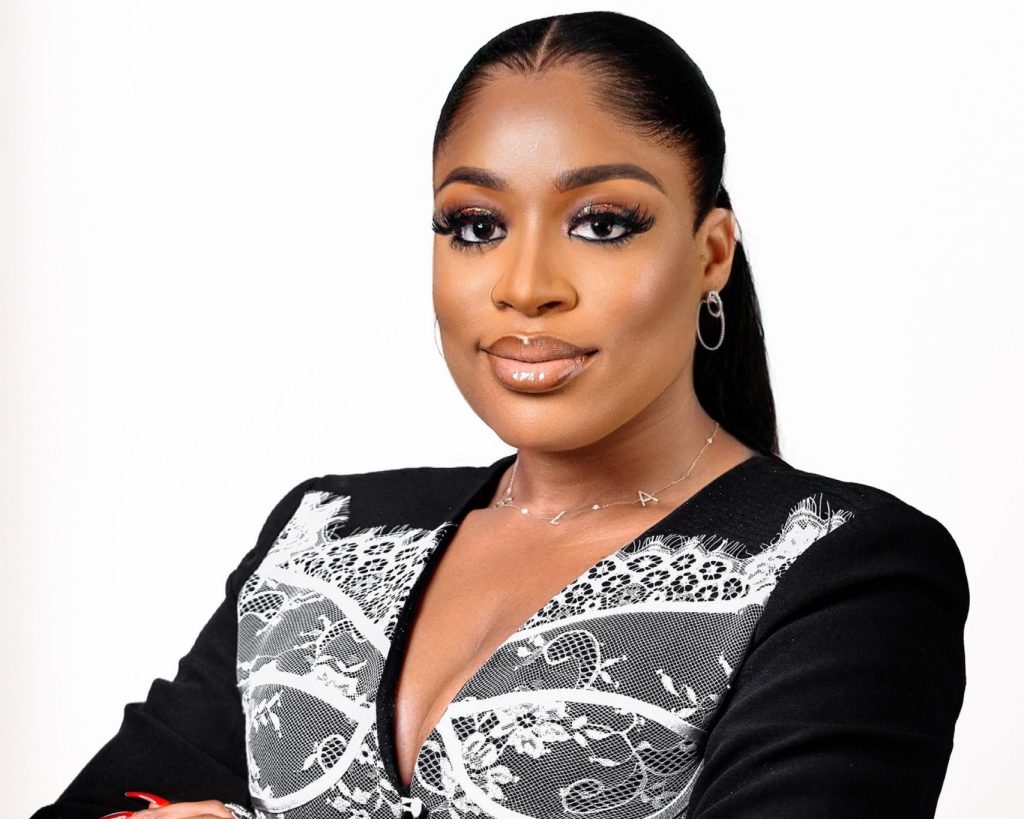
That is where Olubukola Adenugba comes in. She is the founder of The Ella Mo Brand, a curated African fashion platform based in the UK, and she is doing exactly that work.
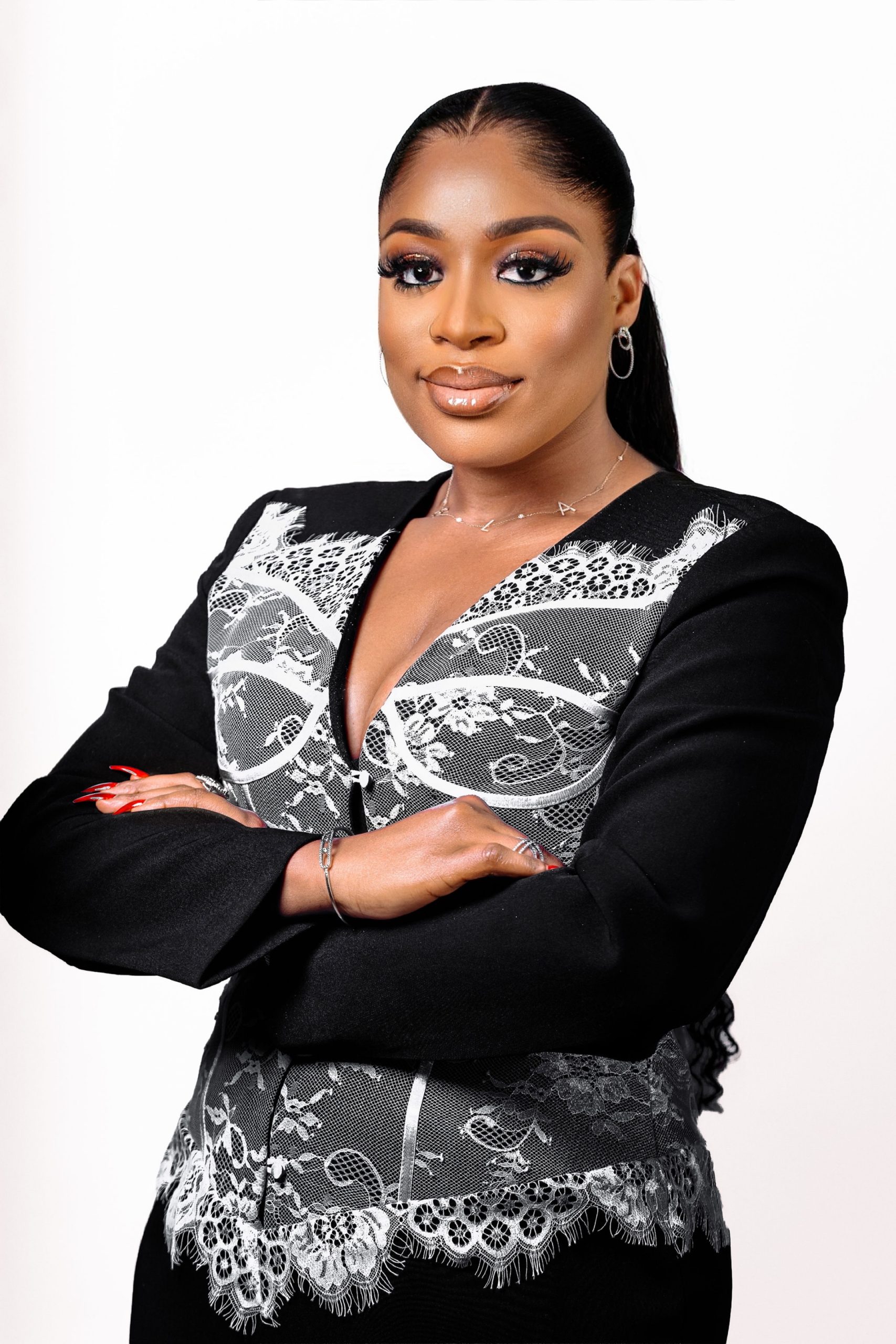
Who Is Olubukola Adenugba?
Olubukola grew up at the intersection of two worlds: the rich visual culture of Nigeria, where fabric is ceremony and dress carries cultural memory, and the fashion-conscious creative environment of the UK, where she has built her professional career.
Her training was both rigorous and deliberate. She studied at Yetroselane Fashion Academy in Lagos, founded by award-winning CEO Yetunde Akande, a brand with runway presence at New York Fashion Week and Mercedes-Benz Fashion Week Ghana. That foundation gave her the creative and cultural grounding that now underpins everything she builds.
She went on to study Human Communication at Bowen University in Nigeria, then Digital Marketing at York St John University in London. Her years as a fashion stylist placed her at the centre of Nigerian fashion. Her work as a digital creator for global brands including Zara and H&M gave her an inside view of how international fashion organisations think: about market access, logistics, and moving product across borders.
She carried both educations into what she built. From the Nigerian side, she understood the quality of what African designers were producing. From the international side, she understood how far that quality was from the audiences who would value it most.
Eventually, that understanding became The Ella Mo Brand.
An African Fashion Platform Built on Three Non-Negotiables
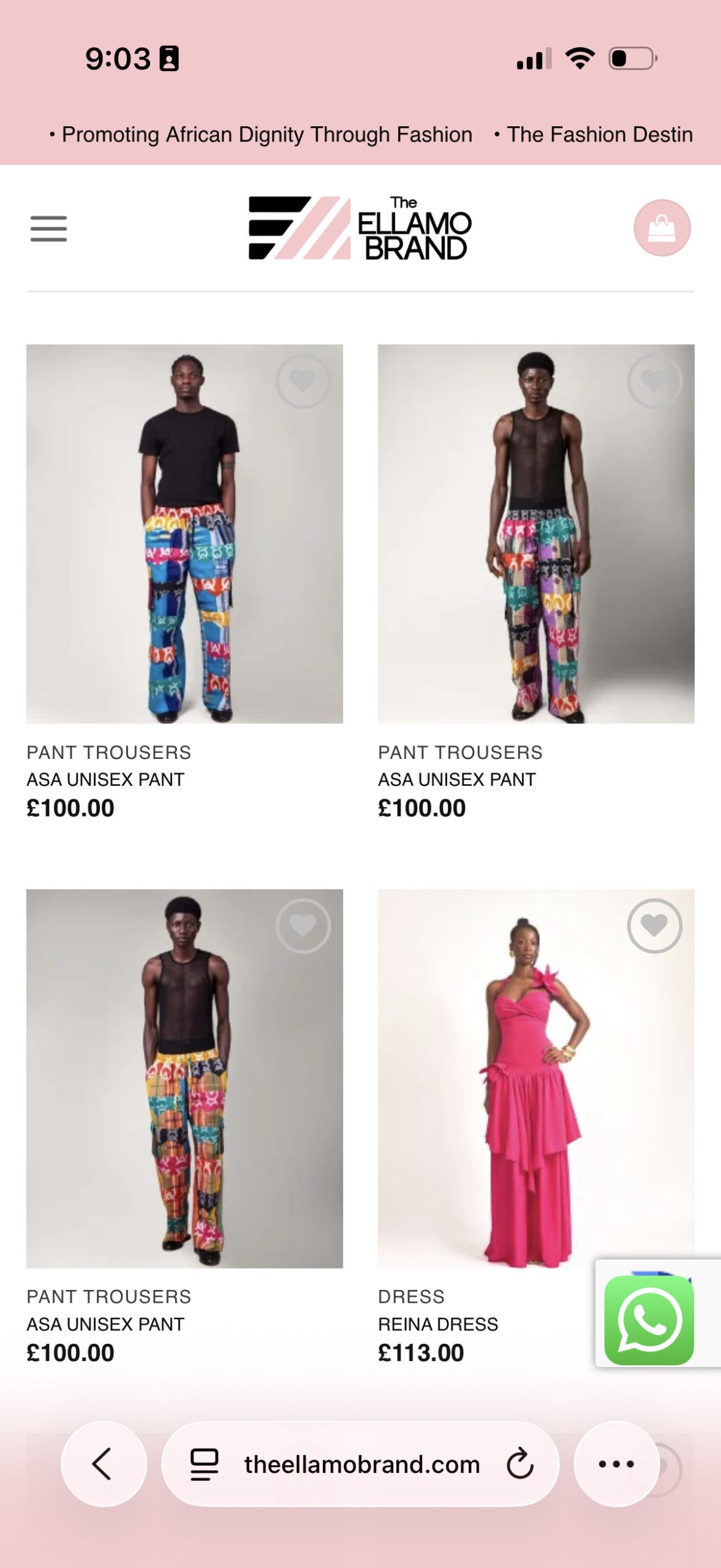
The Ella Mo Brand is a curated fashion-tech e-commerce platform. It sits at the intersection of African design talent and the global diaspora audience hungry for it. But calling it a platform understates what is actually happening inside it.
Olubukola evaluates every brand on the platform against three criteria she first developed during her fashion training and has held to ever since: authenticity of cultural expression, quality of craftsmanship, and integrity in how a brand represents its origins.
This is not a marketplace chasing volume. Instead, it is editorial curation, held to the standard of a luxury concept store buyer. The result is a platform where every piece carries cultural intention, and where the diaspora customer can trust what he or she finds.
Moreover, that standard does not shift. It applies with the same rigour to well-known brands and emerging ones alike. Commercial pressure does not move it.
Working at the Design Stage, Not Just the Retail Stage
What sets The Ella Mo Brand apart from a curated shop is what happens before the customer ever arrives.
Olubukola works with African designers at the production stage, contributing to the conception of pieces that translate African aesthetic traditions for a diaspora wardrobe without diluting what makes them culturally significant. This is not a passive curatorial role. It is an active creative methodology.
Her collaborative work with Tania Omotayo’s Ziva Lagos is the clearest example of this in practice. Ziva Lagos brings four consecutive years at Arise Fashion Week, UNESCO-affiliated platform presentations in Paris, and a presence at Dubai Expo 2020. These are not transactional arrangements. Rather, they are design-stage partnerships built on a shared conviction that African fashion deserves to reach its audiences without compromise.
As a result, the garments that come from these collaborations carry a specificity in cultural reference, silhouette, and finish that speaks to a trained creative sensibility operating at the intersection of two fashion cultures at once.
What the Industry Is Saying
The measure of a platform’s significance is not what its founder says about it. It is what the industry says without being prompted.
Tania Omotayo of Ziva Lagos chose to have her brand commercially stocked on the platform. Similarly, Toyin Lawani, CEO of Tiannah’s Place Empire, with 25 years in the African fashion industry and over 2 million Instagram followers, has worn and publicly endorsed the curated designs, and has mentored Olubukola through the specific challenge of building an African fashion platform in the UK.
Then there is Yetunde Akande of Yetroselane Fashion Academy, who trained Olubukola and now has her brand commercially stocked on the platform. When the person who taught you the standards later chooses to be stocked by the platform you built on those standards, that is not coincidence. That is a closed loop of credibility.
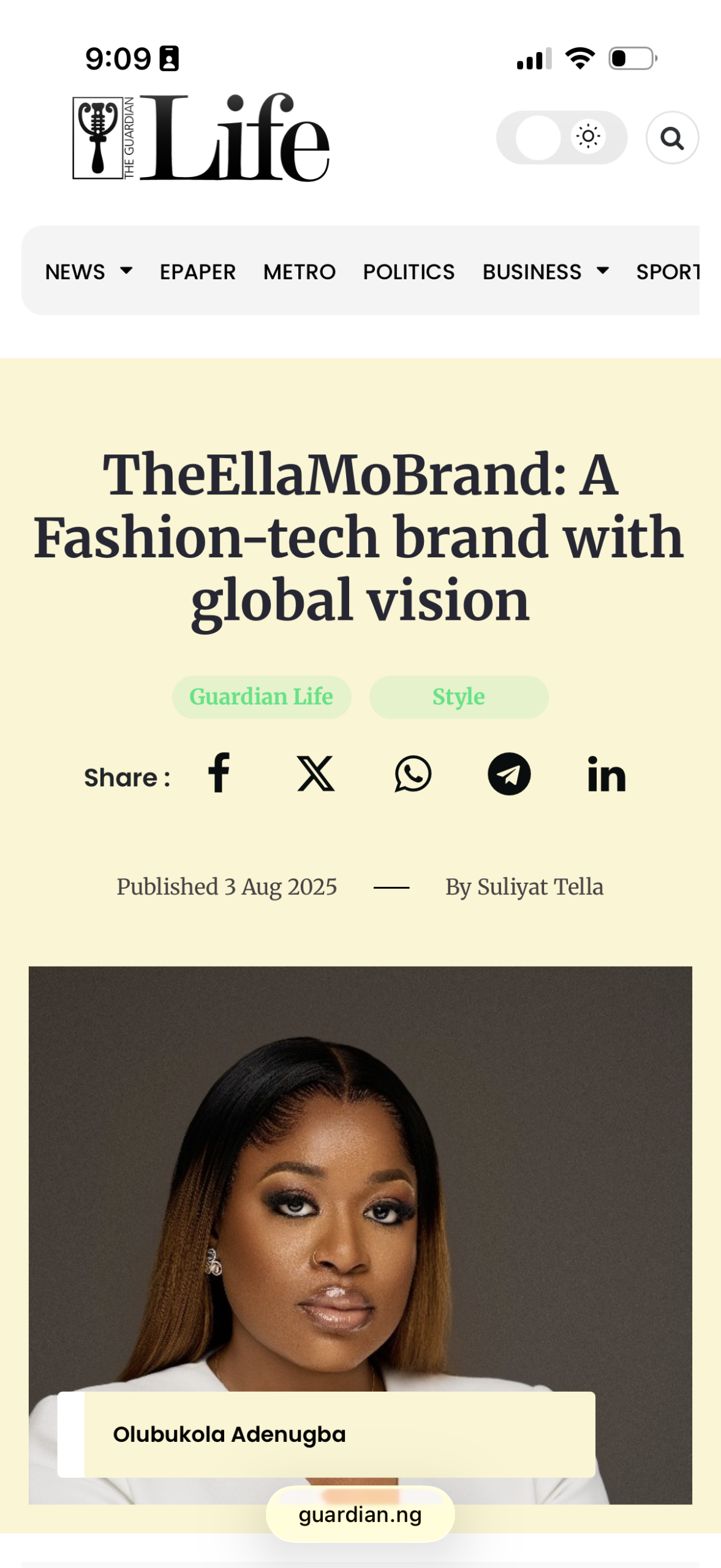
The media recognition follows the same pattern. The Guardian Nigeria’s Saturday Magazine fashion section ran an independent editorial feature on the platform. In addition, La Mode UK, a UK-registered publication with presence in both Africa and the UK, featured Olubukola as their cover subject.
These are not arranged endorsements. They are independent assessments from people and institutions who know the African fashion industry from the inside.
Building the Community, Not Just the Business
The most telling indicator of a creative leader’s intention is what they do when the commercial case is already made.
For Olubukola, the answer is to go into schools.
Her community education programme takes her into UK schools, where she runs workshops introducing young people to African fashion heritage: the history of African textiles, the ceremonial significance of dress, and the craftsmanship traditions that underpin the designs on her platform. In a country where the African diaspora is one of the most culturally invested communities, this work builds the next generation of informed customers, creators, and advocates for African fashion.
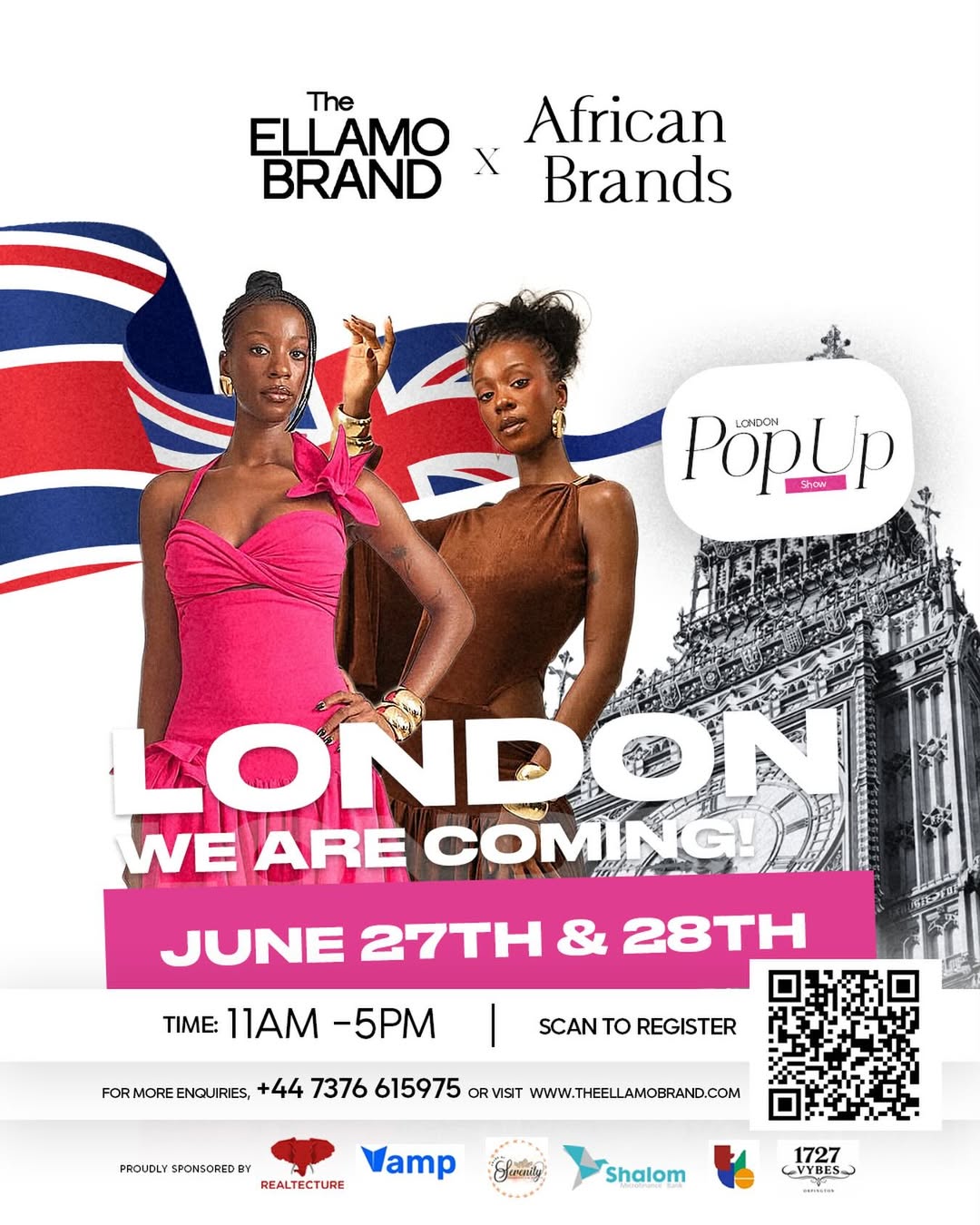
Beyond education, her London Pop-Up Exhibitions bring multiple African fashion brands into direct contact with UK buyers and diaspora communities. The first has already taken place. The second is scheduled for June 27 – 28. 2026. She is not only building a platform. She is building a market.
One of Our Own
Olubukola is a Bellafricana member. And what she is building is exactly the kind of work this community exists to celebrate.
Bellafricana was built for African creative entrepreneurs who are not just running businesses. They are building the systems and infrastructure that the wider African creative economy depends on. The Ella Mo Brand is precisely that kind of work.
It is rigorous where others are casual. It is culturally grounded where others are trend-driven. And it is building real commercial infrastructure, from the UK, for one of the most commercially significant yet underserved audiences in global fashion.
Why This Matters
This is what it looks like when an African creative entrepreneur builds for the long term.
The Ella Mo Brand is not chasing noise. Instead, it is building the infrastructure that makes the room possible: a reliable, culturally intelligent, editorially rigorous African fashion platform that the diaspora market has been waiting for.
African fashion’s global moment is here. Talent was never the question. The question was always who would build the systems to carry that talent to the audiences it deserves.
On that question, Olubukola Adenugba is doing the work.
At Bellafricana, that is exactly the kind of work we exist to recognise.
Follow The Ella Mo Brand: @theellamobrand
Website: theellamobrand.com
