
From January 28 to 31, 2026, Nairobi positioned itself as a fashion capital. Under the Decarbonize theme, Nairobi Fashion Week 2026 brought sustainability, heritage, and commerce into sharp focus, ultimately proving that African designers are not merely participating in global conversations—they are leading them.
Meanwhile, the eighth edition of Nairobi Fashion Week featured Kenyan and international designers whose work challenged assumptions about what African fashion can be. Importantly, this was not a showcase seeking validation. Rather, it was a platform asserting authority.
Building Infrastructure, Not Just Spectacle
The week opened with an intimate launch at Matteo’s Restaurant in Karen, gathering designers and industry leaders in a space that felt more strategic than celebratory. Subsequently, the Fashion Pop-Up Market the following day extended that vision into commerce, connecting designers directly with retailers and proving that fashion operates as infrastructure, not just runway moments.
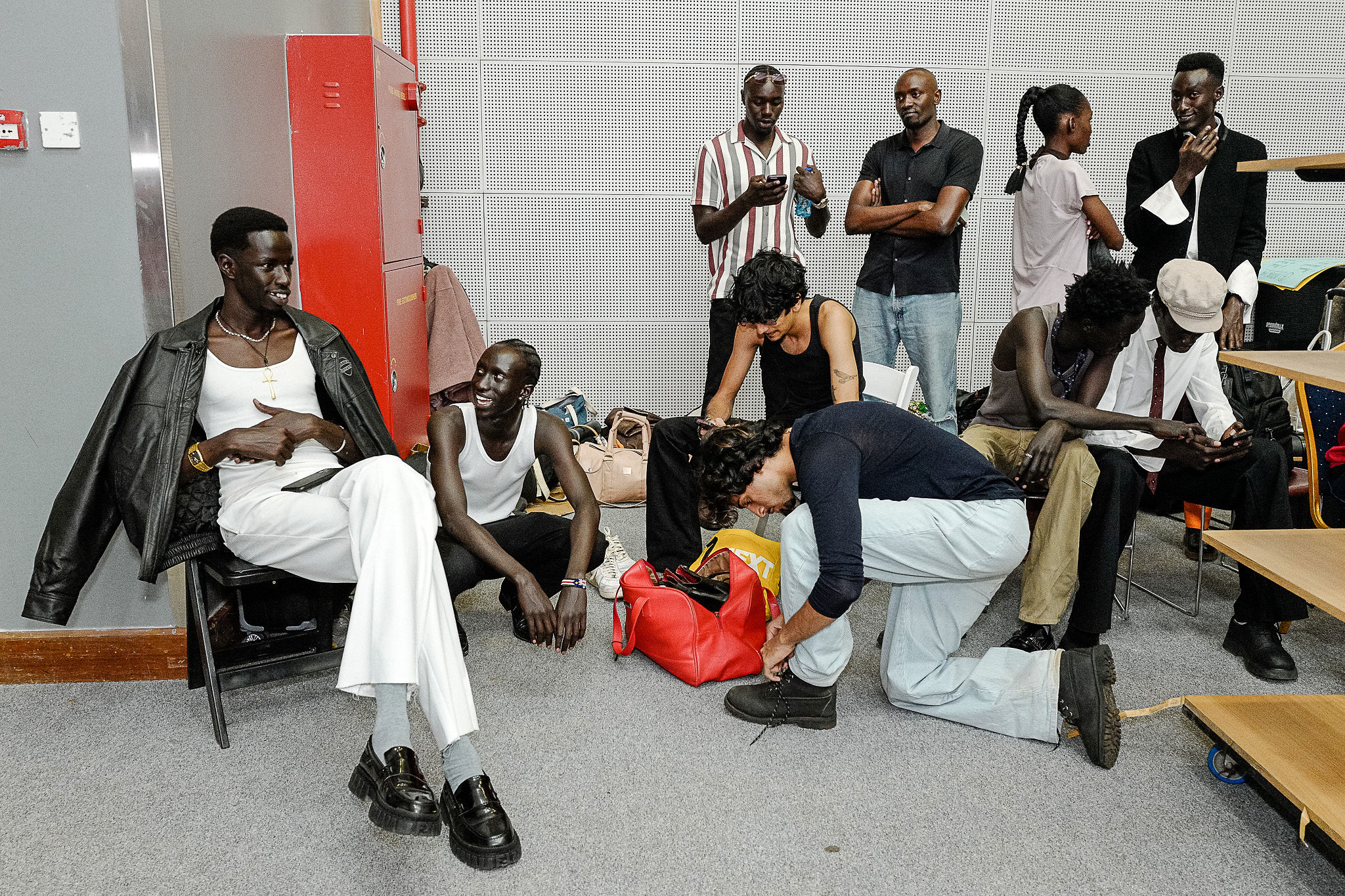
Meanwhile, Thread Talks at The Social House Nairobi became the intellectual core of the week. Representatives from UNEP, Gatsby, and the Kenya Fashion Council examined how Africa can decarbonize fashion supply chains without repeating extractive global models. Additionally, a designer masterclass by Anansi translated these ideas into practical tools for building responsible, competitive brands.
Consequently, by the time the runway opened on January 31st at Sarit Expo Centre, the Decarbonize theme had moved from theory to tangible strategy.
John Kaveke: Heritage Meets Precision
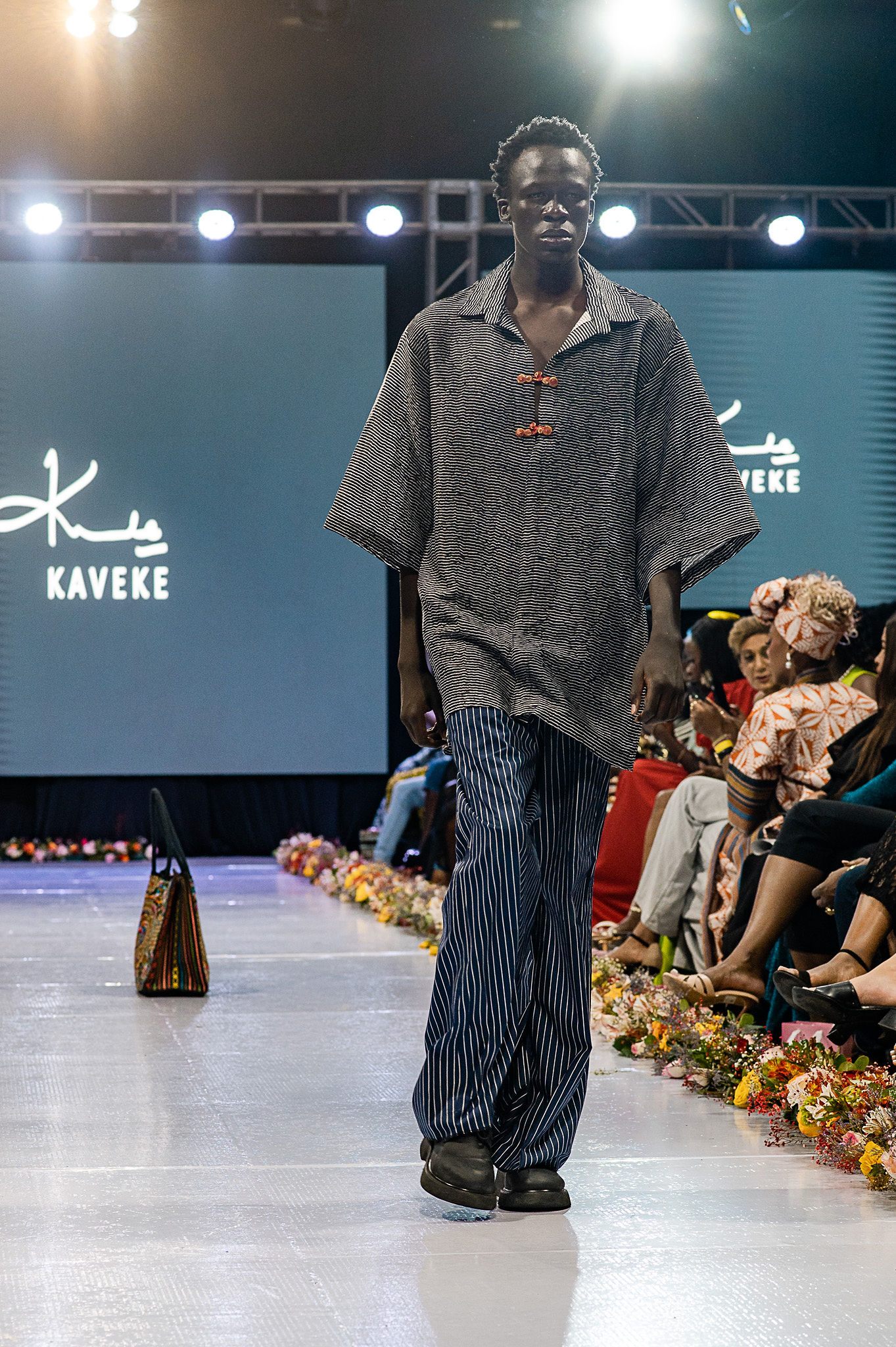
John Kaveke has been a statesman in Kenyan menswear since launching his label in 1999. Notably, his work has appeared at New York Fashion Week, London Fashion Week, and across international platforms, consistently exploring where African heritage meets contemporary design.
At Nairobi Fashion Week 2026, his collection created a conversation between Maasai cultural elements and Japanese tailoring discipline. Structured garments softened through ceremonial references. Ultimately, the result felt architectural and deeply human—an exchange between continents rendered in fabric.
Wanni Fuga: Quiet Authority from Lagos
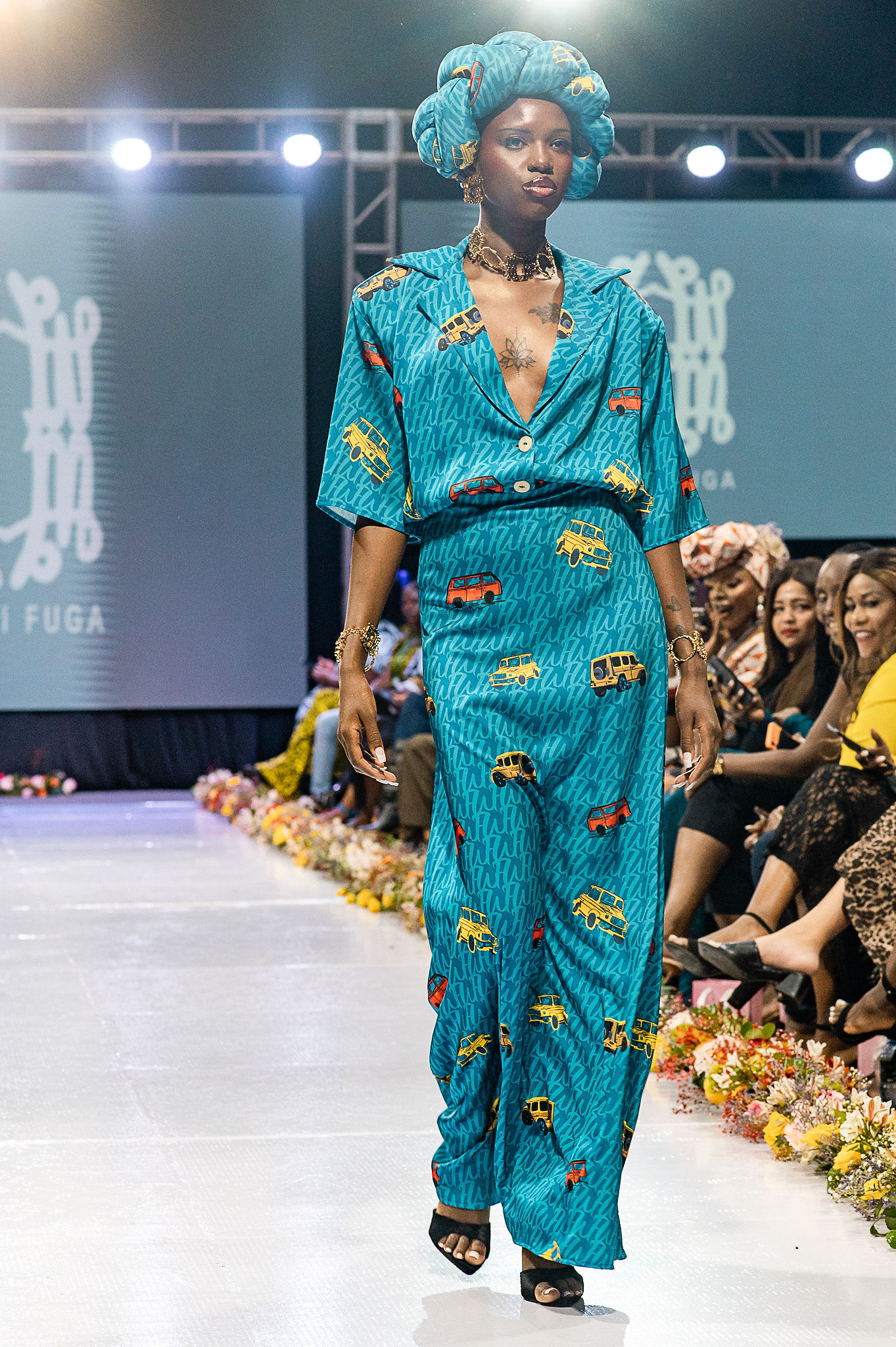
Nigerian luxury house Wanni Fuga, founded by Toluwani Wabara in 2014, has built its reputation on clean lines, meticulous craft, and a modern interpretation of West African heritage.
At Nairobi Fashion Week 2026, the brand presented restrained power through sculptural silhouettes and sharp tailoring. Moreover, the palette refused to shout but commanded every inch of space it occupied.
Yevaàna: Making Sustainability Tangible
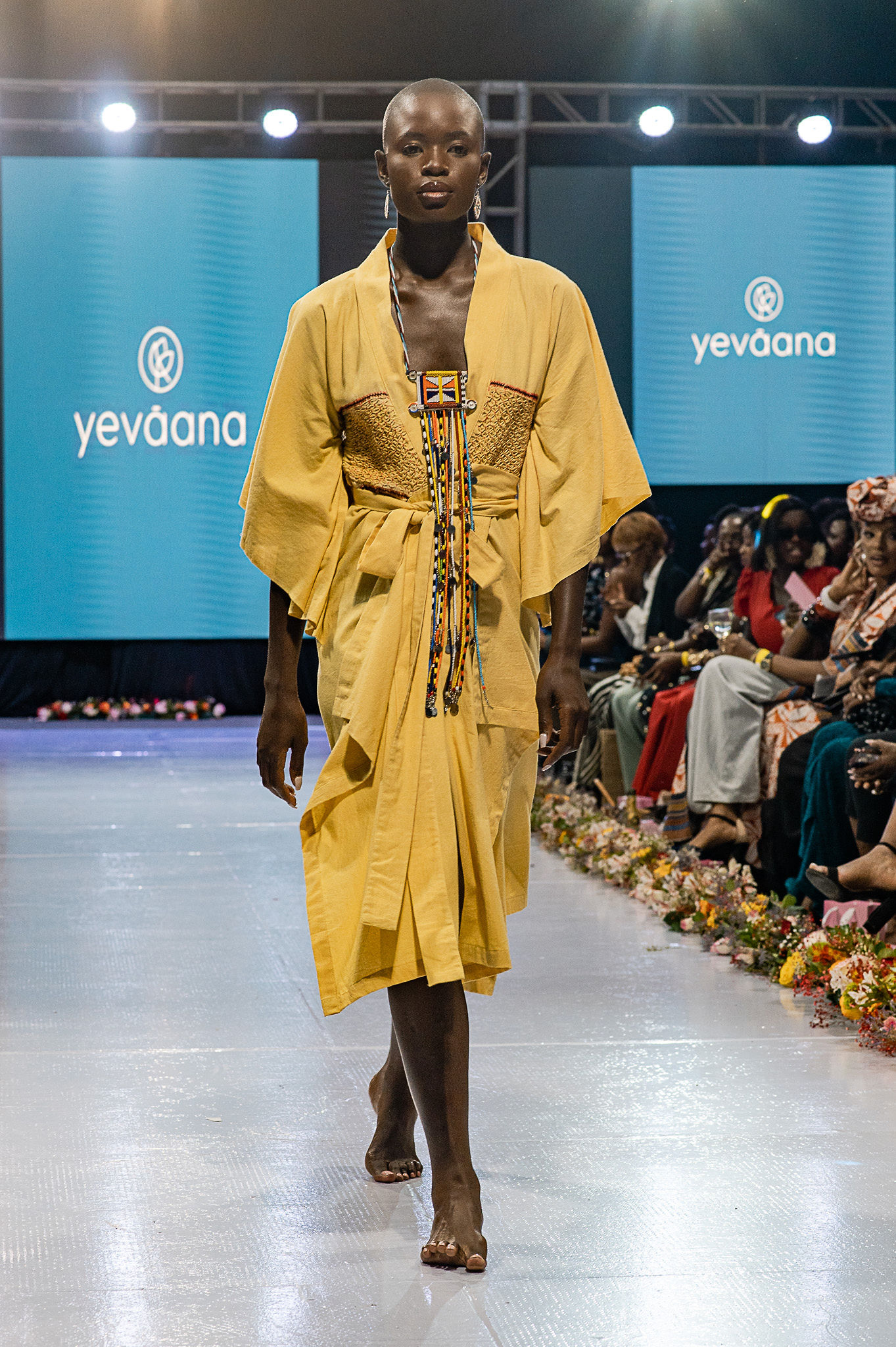
Yevaàna transformed the Decarbonize theme into something sensory. Her collection, constructed from cotton, linen, and hemp through deliberate handcraft, celebrated slowness and texture.
Furthermore, the work bridged Sri Lankan and Kenyan craft traditions, proving sustainable fashion can honor both people and planet without sacrificing design integrity.
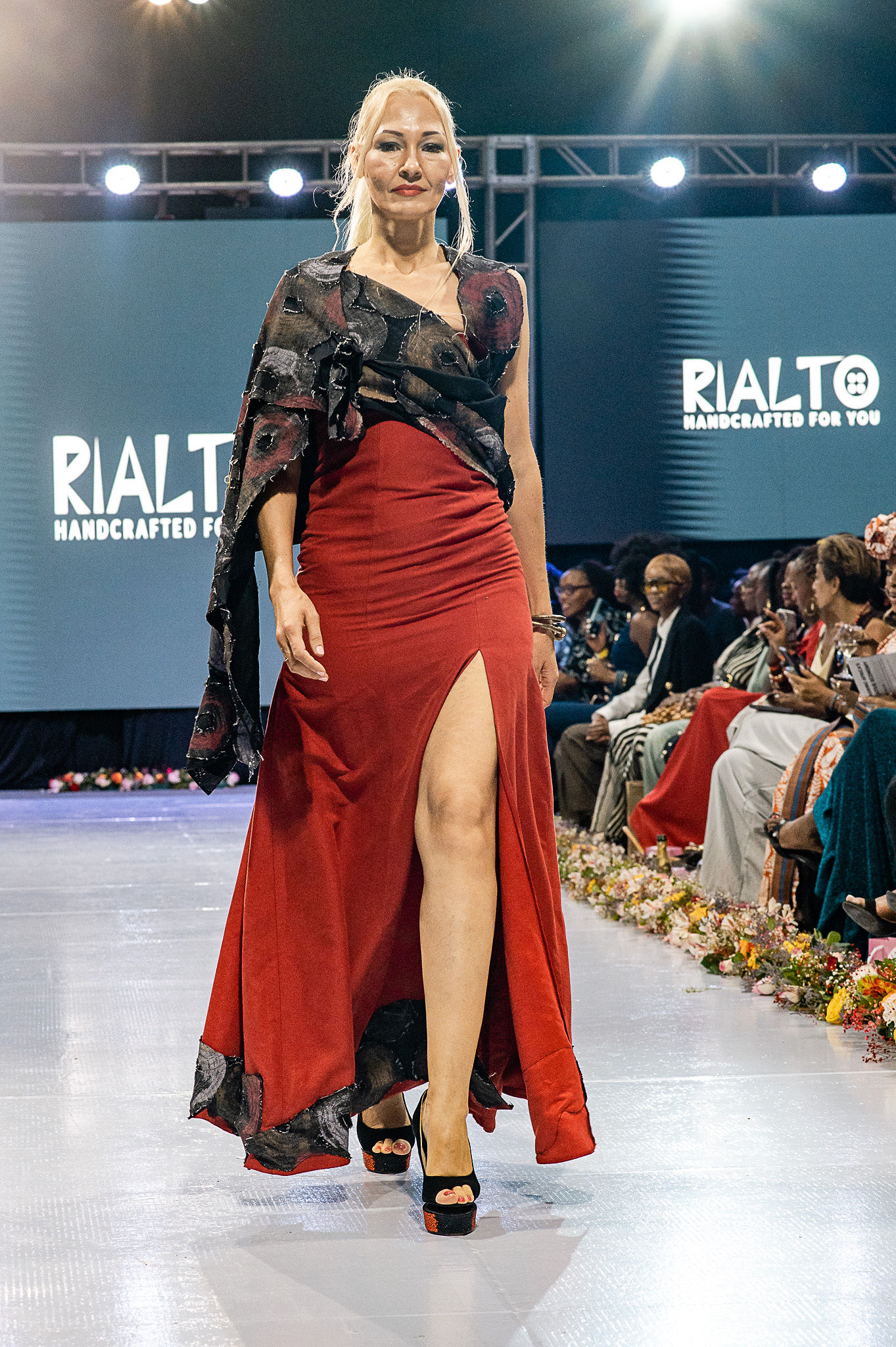
Lucy Rao: Upcycling as Couture
Lucy Rao founded Rialto Fashions in 1988 and has since become a central figure in Kenya’s fashion industry. Additionally, she co-directs the Kenya Fashion Council and founded the Pamba Mali Organic Cotton Collective.
Her upcycled denim collection at Nairobi Fashion Week 2026 proved circular fashion can reach couture-level discipline through sharp cuts and architectural shapes. Notably, familiar material was reimagined without compromise.
Maisha by Nisria: Fashion as Community Impact
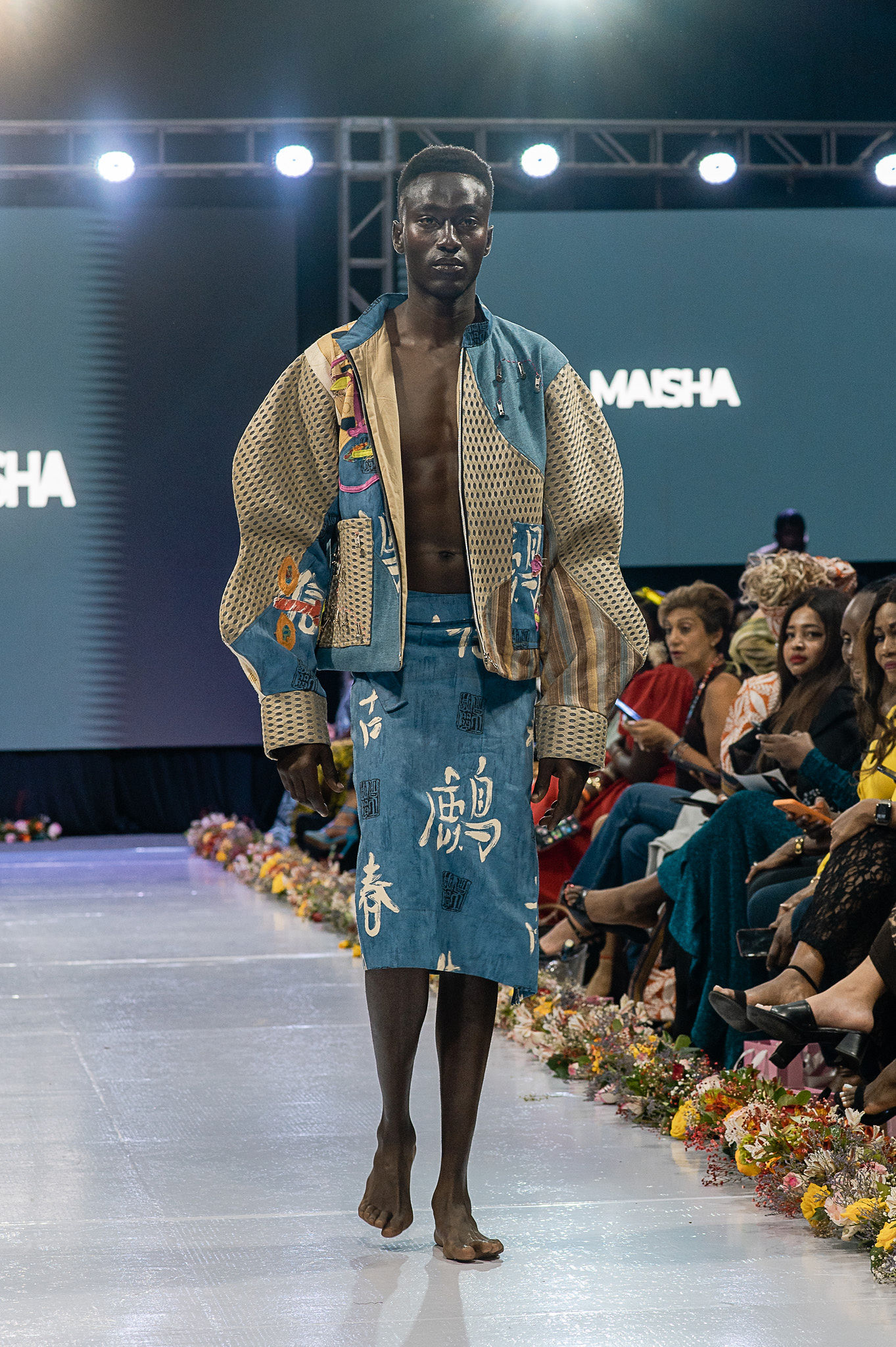
Founded by Nur M’Nasria, Maisha by Nisria operates as both a fashion studio and a social enterprise based in Gilgil, Kenya. The studio creates one-of-a-kind clothing from upcycled materials while training and employing youth and women from vulnerable communities.
At Nairobi Fashion Week 2026, Maisha showcased its approach to sustainable fashion, sourcing discarded textiles from flea markets, wholesalers, and recycling factories, then transforming them into contemporary designs. In particular, the collection explored texture and materiality, weaving together denim and unexpected fabrics into cohesive storytelling.
Recognized by The Guardian, Vogue Business, and Al Jazeera, Maisha demonstrates that circular fashion can function as economic infrastructure, creating jobs, building skills, and supporting communities while producing beautiful clothing.
Expanding the Conversation
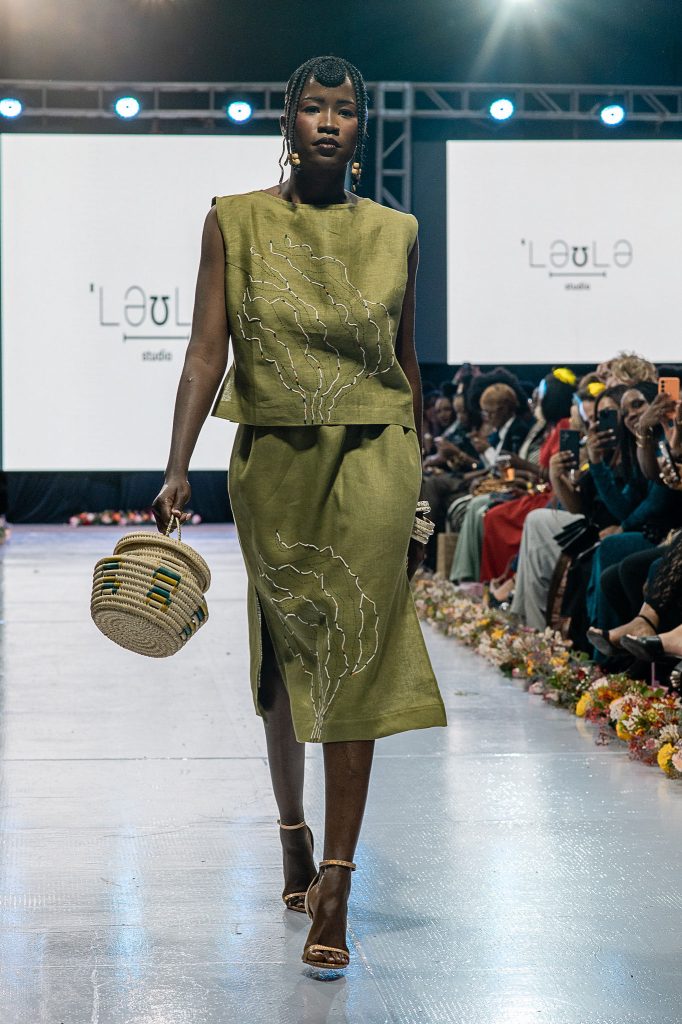
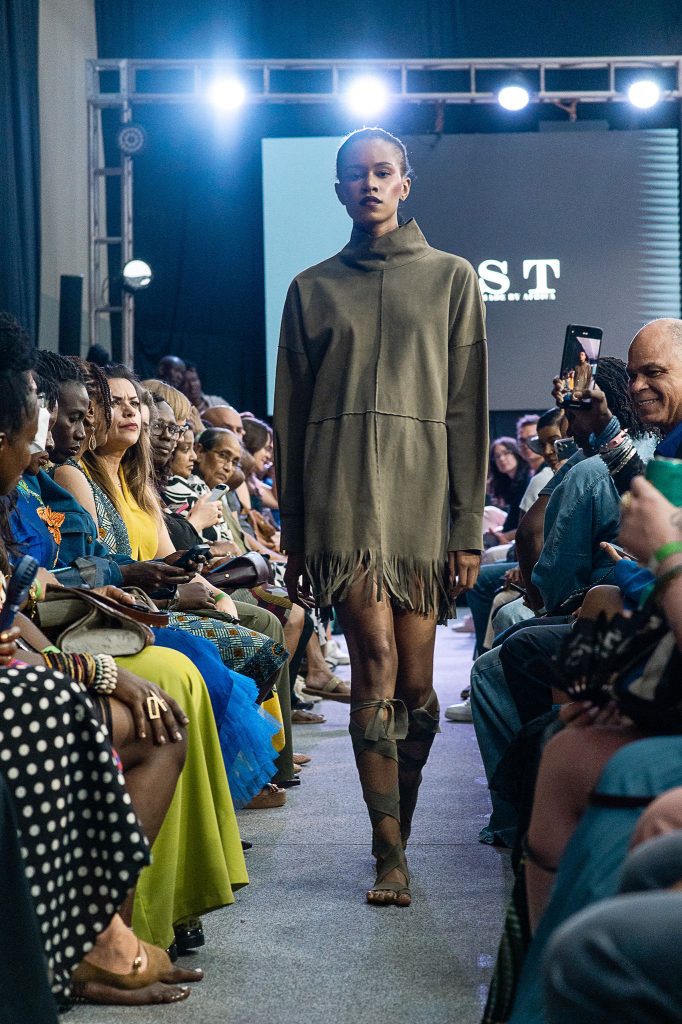
Beyond the featured designers, Nairobi Fashion Week 2026 also showcased others who brought different perspectives to the Decarbonize theme.
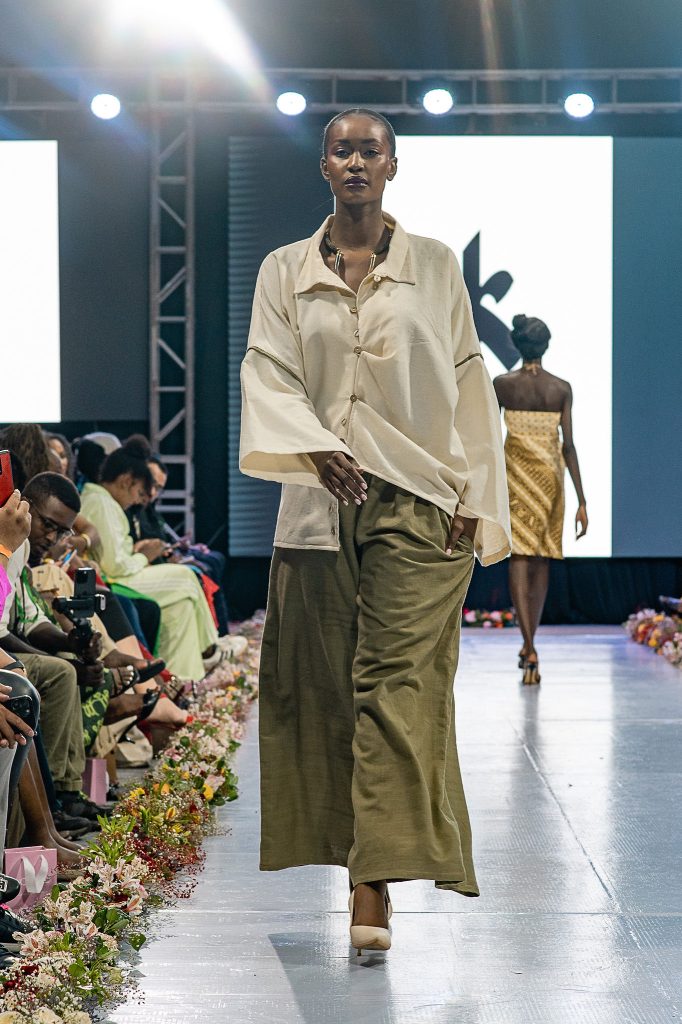
For instance, Kitukizo, inspired by Swahili coastal heritage, presented fluid silhouettes in soft linens and gentle hues—whites, yellows, and browns that evoked coastal calm and slow living. The collection demonstrated that sustainability can be serene, not strident.
Similarly, Naaniya, a French-based designer of Malian descent, layered Bogolan textiles into contemporary European tailoring, positioning African craft traditions as living materials rather than historical references.
Why This Matters
Nairobi Fashion Week 2026 shifted perception. By centering sustainability without sacrificing design excellence, the event positioned Nairobi as a city setting agendas rather than following them.
Indeed, the designers who showcased proved that responsible fashion does not require compromise. From John Kaveke’s intercultural tailoring to Lucy Rao’s couture-level upcycling, from Wanni Fuga’s minimalist authority to Yevaàna’s tactile craft, and Maisha by Nisria’s community-centered approach—each collection showed that sustainability and ambition coexist naturally.
At Bellafricana, this is the work we celebrate; fashion rooted in reality that carries depth and proves African creativity has always been about vision, systems, and the future.
Ultimately, Nairobi Fashion Week 2026 did not ask for a seat at the global table. It built its own.